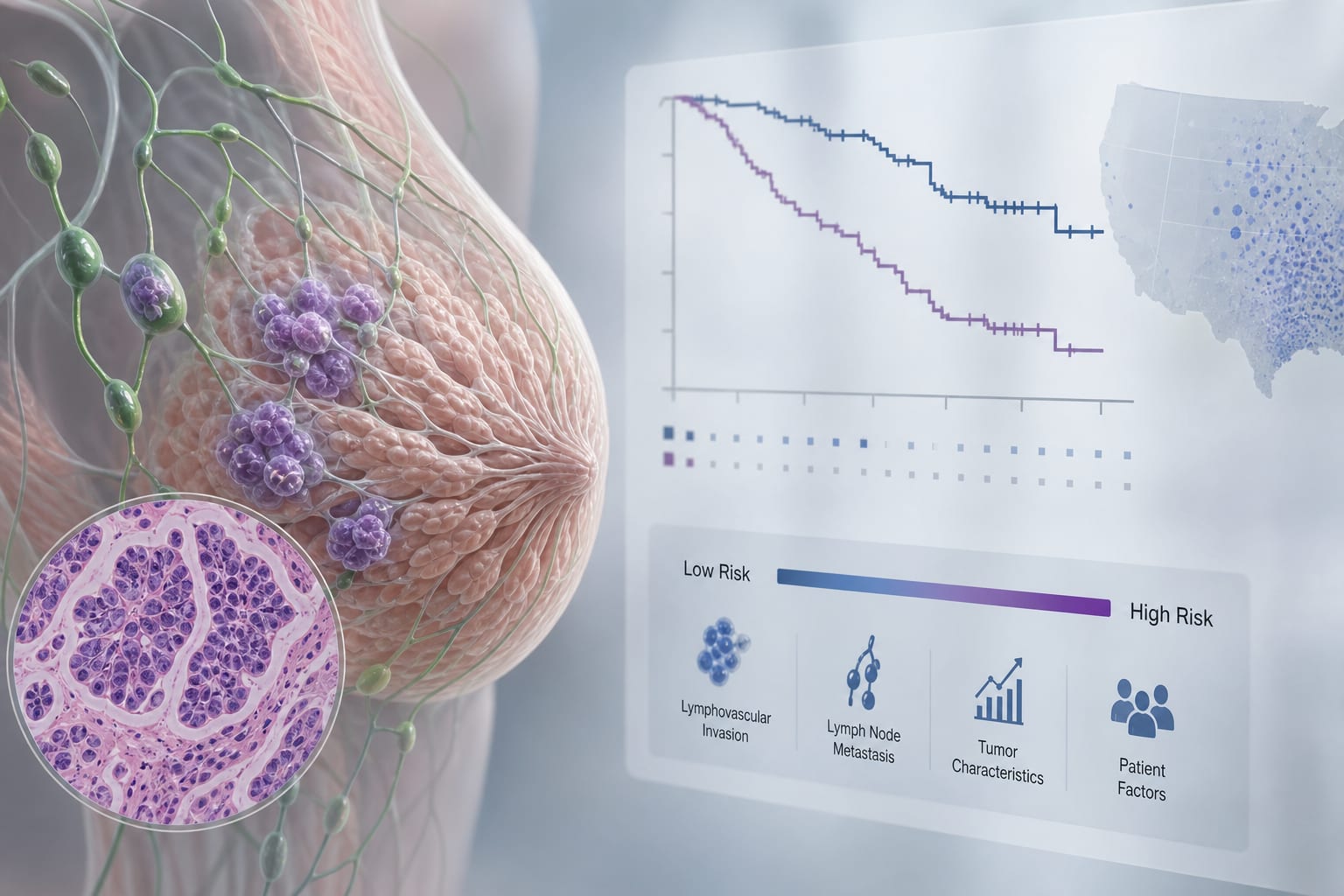
ASCO 2026: Genomics Reveal HRD–Treatment Response Link
Gene expression profiling links HRD in patients with high risk breast cancer with anthracycline outcomes
Clinical Scorecard: ASCO 2026: Genomics Reveal HRD–Treatment Response Link
At a Glance
| Category | Detail |
|---|
| Condition | Breast Cancer |
| Key Mechanisms | Homologous recombination deficiency (HRD) |
| Target Population | Patients with varying breast cancer risk categories (high risk 1, high risk 2, low risk, ultra low risk) |
| Care Setting | Oncology |
Key Highlights
- Study assessed 70-gene signature in breast cancer
- HRD highest in patients with high risk 2 score
- Basal-like high risk 2 shows highest HRD association
- Luminal high risk 2 shows increased HRD compared to luminal high risk 1
- High scores correlate with benefit from anthracyclines
Guideline-Based Recommendations
Diagnosis
- Utilize 70-gene assay to determine breast cancer risk categories
Management
- Consider anthracyclines for patients with high risk scores
Monitoring & Follow-up
- Monitor homologous recombination deficiency levels in breast cancer patients
Risks
- Higher HRD may indicate different treatment responses
Patient & Prescribing Data
Breast cancer patients categorized by risk scores
Higher HRD may enhance effectiveness of anthracyclines in high risk groups
Clinical Best Practices
- Assess HRD in breast cancer patients to inform treatment decisions
- Utilize gene signature assays for risk stratification
Related Resources & Content