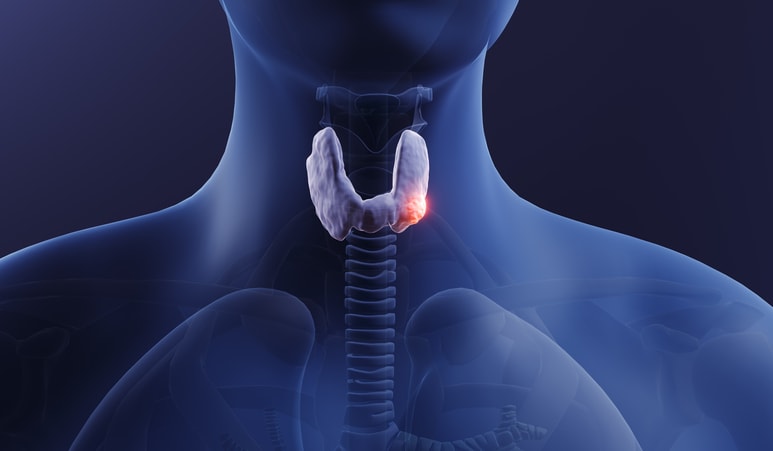
Clinical Scorecard: TIRADS 4 or greater associated with postoperative malignancy in a selected surgical cohort
At a Glance
Category
Detail
Condition
Clinical topic addressed by the source article: High TIRADS may signal cancer despite benign cytology
Key Mechanisms
The study assessed associations between postoperative malignancy and TIRADS classification, age, nodule size, thyroid function, and systemic inflammatory markers.
Target Population
Population described in the source article.
Care Setting
Single-center cohort of patients who underwent thyroid surgery; the findings are limited to this selected surgical population.
Key Highlights
Among 176 surgically treated patients with Bethesda II cytology, postoperative histopathology found malignancy in 20 (11%).
Malignancy was identified in 32% of patients with TIRADS classifications of 4 or greater, compared with 7% of those with classifications below 4.
TIRADS 4 or greater was associated with about 5.7 times the odds of postoperative malignancy in multivariable analysis.
Younger age was independently associated with malignancy; each additional year of age was associated with about 8% lower adjusted odds.
Nodule size, sex, body mass index, thyroid function tests, and the reported inflammatory markers were not significantly associated with malignancy.
Guideline-Based Recommendations
Diagnosis
Management
Monitoring & Follow-up
The study did not report monitoring recommendations.
Risks
Patient & Prescribing Data
The analysis included 176 patients with Bethesda II benign cytology and available postoperative histopathology, selected from 355 patients who underwent fine-needle aspiration and subsequent thyroid surgery.
Surgical indications included suspicious ultrasound findings, nodule growth, compressive symptoms, cosmetic concerns, patient preference, and other clinical factors. The study does not establish treatment recommendations.
Clinical Best Practices
Interpret the reported malignancy rate in the context of the study's surgically selected population.
Do not use the study findings alone to guide clinical management, as advised by the authors.
Automated lesion measurements increased agreement on treatment response, although expert-generated proposals were accepted more often and required fewer adjustments.
Women reported improvement across 6 cognitive domains during 12 months of estriol-based treatment, while murine models suggested a potential astrocyte-mediated mechanism.