Clinical Scorecard: Innovative Approaches in Cancer Treatment
At a Glance
| Category | Detail |
|---|---|
| Condition | Cancer |
| Key Mechanisms | Immunotherapies, targeted therapies, CAR-T cell therapies, oncolytic viruses, engineered bacteria |
| Target Population | Patients with various types of cancer |
| Care Setting | Clinical oncology |
Key Highlights
- Emerging therapies include immunotherapies and targeted therapies.
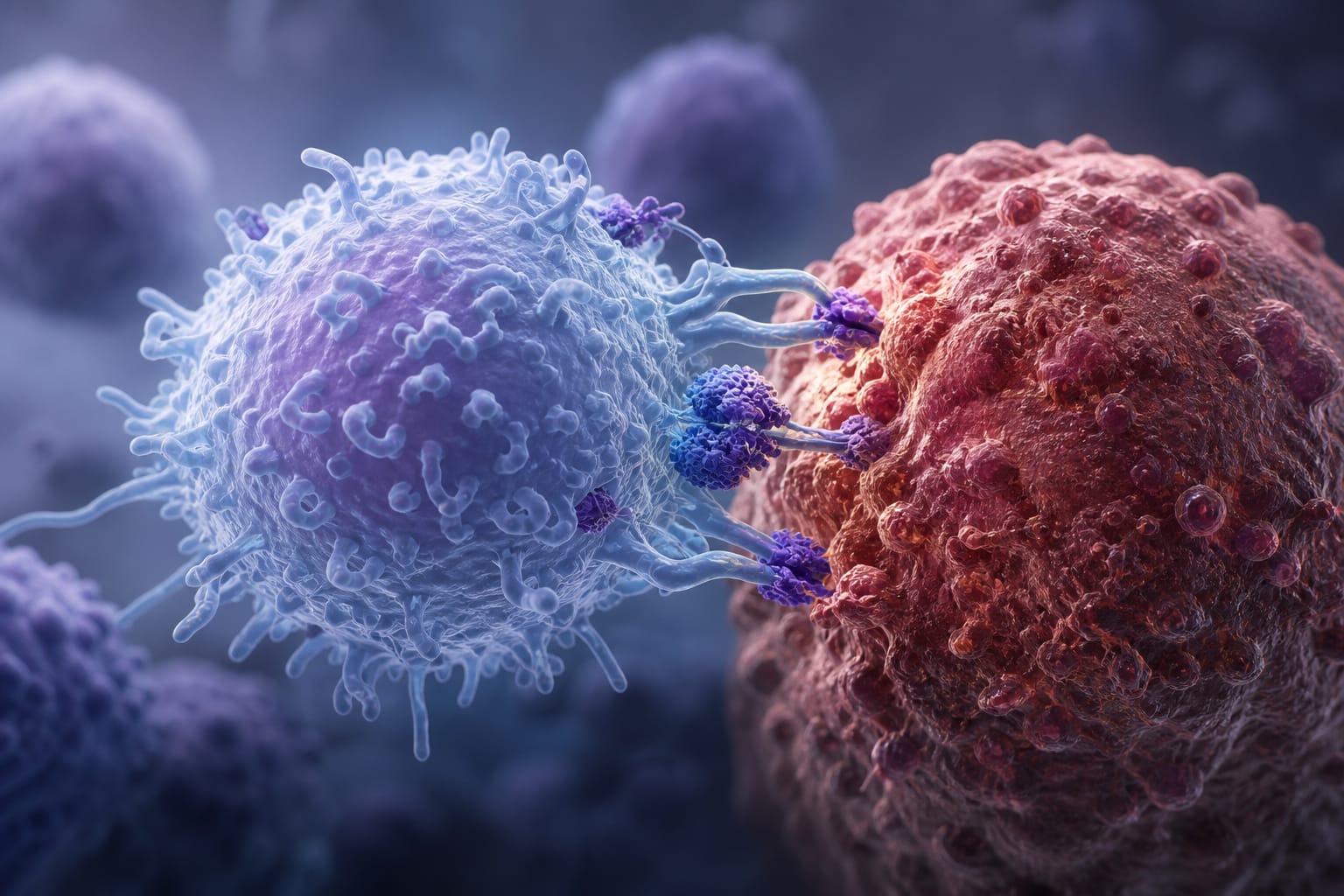
- CAR-T cell therapies have reshaped management of hematological cancers.
- Engineered oncolytic viruses and cytokine-based gene therapies show promise.
- PARP inhibitors exploit synthetic lethality in DNA repair-deficient cancers.
- Antibody-drug conjugates (ADCs) and proximity-inducing agents expand druggable targets.
Guideline-Based Recommendations
Diagnosis
- Evaluate cancer type and genetic markers for targeted therapy suitability.
Management
- Consider immunotherapy and targeted therapy options based on individual patient profiles.
Monitoring & Follow-up
- Monitor for treatment response and resistance, particularly in immuno-refractory cancers.
Risks
- Be aware of potential toxicities and access inequities associated with advanced therapies.
Patient & Prescribing Data
Patients with various malignancies, including hematological and solid tumors.
Response rates vary; primary and acquired resistance are common challenges.
Clinical Best Practices
- Utilize next-generation therapies to overcome limitations of existing treatments.
- Incorporate biomarker testing to guide targeted therapy decisions.
- Stay updated on emerging therapeutic modalities and their clinical applications.
Related Resources & Content
Based on findings from:
Next-generation cancer therapeutics
Nature Cancer, 2026.
https://www.nature.com/articles/s43018-026-01244-w
This content is an AI-generated, fully rewritten summary based on a published scholarly article. It does not reproduce the original text and is not a substitute for the original publication. Readers are encouraged to consult the source for full context, data, and methodology.