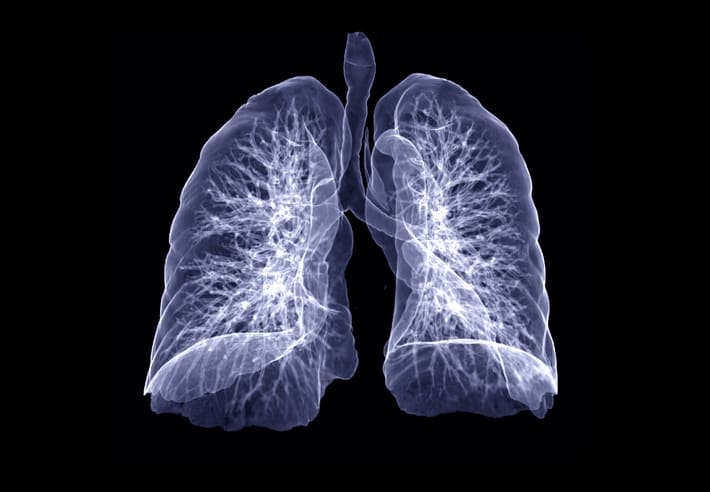
Not All Lung Bacteria Are the Enemy
Cross-disease meta-analysis also found modest associations with lung function, though findings varied by disease type
By
Andrea Surnit
May 8, 2026
Clinical Scorecard: Not All Lung Bacteria Are the Enemy
At a Glance
Category Detail
Condition Chronic Airway Diseases Key Mechanisms Associations between lung microbiome genera and airway inflammation/lung function. Target Population Patients with asthma, bronchiectasis, cystic fibrosis, COPD, or asthma-COPD overlap syndrome. Care Setting Clinical research and observational studies.
Key Highlights
Higher abundance of certain lung microbiome genera linked to lower airway inflammatory markers. Modest associations found between some genera and improved lung function. Findings vary by disease state and should be interpreted cautiously. Most studies used 16S ribosomal RNA sequencing, limiting species-level identification. Methodological limitations hinder causal inference and interpretation. Guideline-Based Recommendations
Diagnosis
Consider lung microbiome analysis in chronic airway disease assessments. Management
Further research needed to explore therapeutic potential of nonpathogenic bacteria. Monitoring & Follow-up
Monitor airway inflammatory markers in relation to lung microbiome composition. Risks
Caution against over-interpreting genus-level associations due to presence of both beneficial and pathogenic species. Patient & Prescribing Data
Individuals with chronic airway diseases.
Current evidence insufficient to classify nonpathogenic bacteria as therapeutic targets.
Clinical Best Practices
Utilize bronchoalveolar lavage or protected bronchial brushings to minimize contamination. Incorporate longitudinal studies to assess species and strain-level impacts on disease. References