Metabolic reprogramming networks in the gastric cancer tumor microenvironment: an integrated axis of nutrient competition, metabolic crosstalk, and immunosuppression - Scorecard - MDSpire
Advertisement
Metabolic reprogramming networks in the gastric cancer tumor microenvironment: an integrated axis of nutrient competition, metabolic crosstalk, and immunosuppression
Clinical Scorecard: Networks of Metabolic Reprogramming in the Tumor Microenvironment of Gastric Cancer: An Integrated Framework of Nutrient Competition, Metabolic Interactions, and Immune Suppression
At a Glance
Category
Detail
Condition
Gastric Cancer
Key Mechanisms
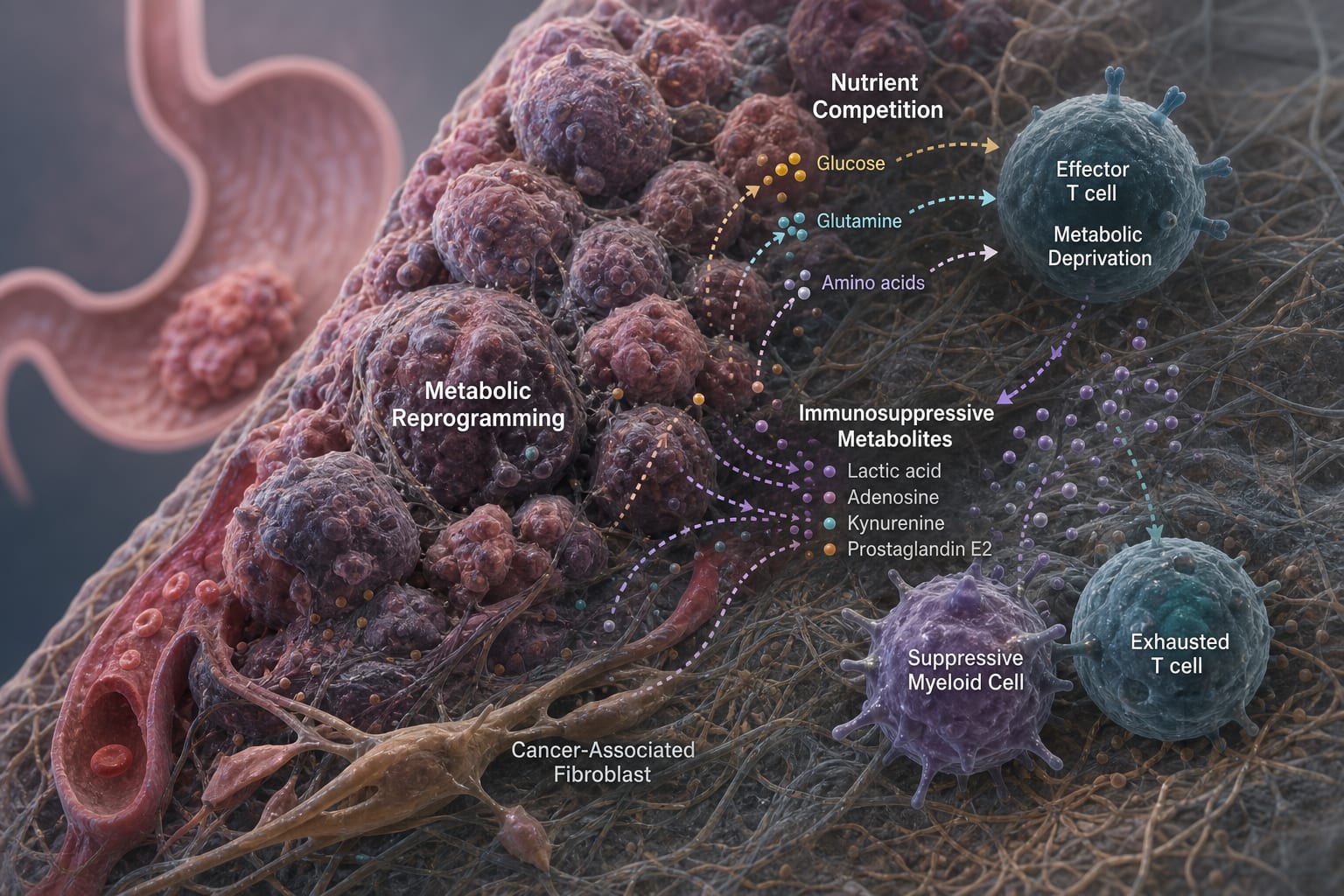
Nutrient competition, metabolic crosstalk, and immune suppression within the tumor microenvironment.
Target Population
Patients with gastric cancer, particularly those with advanced or metastatic disease.
Care Setting
Oncology and immunotherapy treatment settings.
Key Highlights
Gastric cancer has a complex tumor microenvironment characterized by hypoxia, acidosis, and nutrient deficiency.
Immunosuppressive metabolites such as lactic acid and adenosine accumulate, inhibiting immune function.
The interplay of metabolic stress and immune evasion complicates treatment with immune checkpoint inhibitors.
Targeting metabolic nodes may enhance the efficacy of immunotherapy in gastric cancer.
A comprehensive understanding of the TME is crucial for developing novel therapeutic strategies.
Guideline-Based Recommendations
Diagnosis
Diagnosis of gastric cancer should consider the tumor microenvironment's role in treatment resistance.
Management
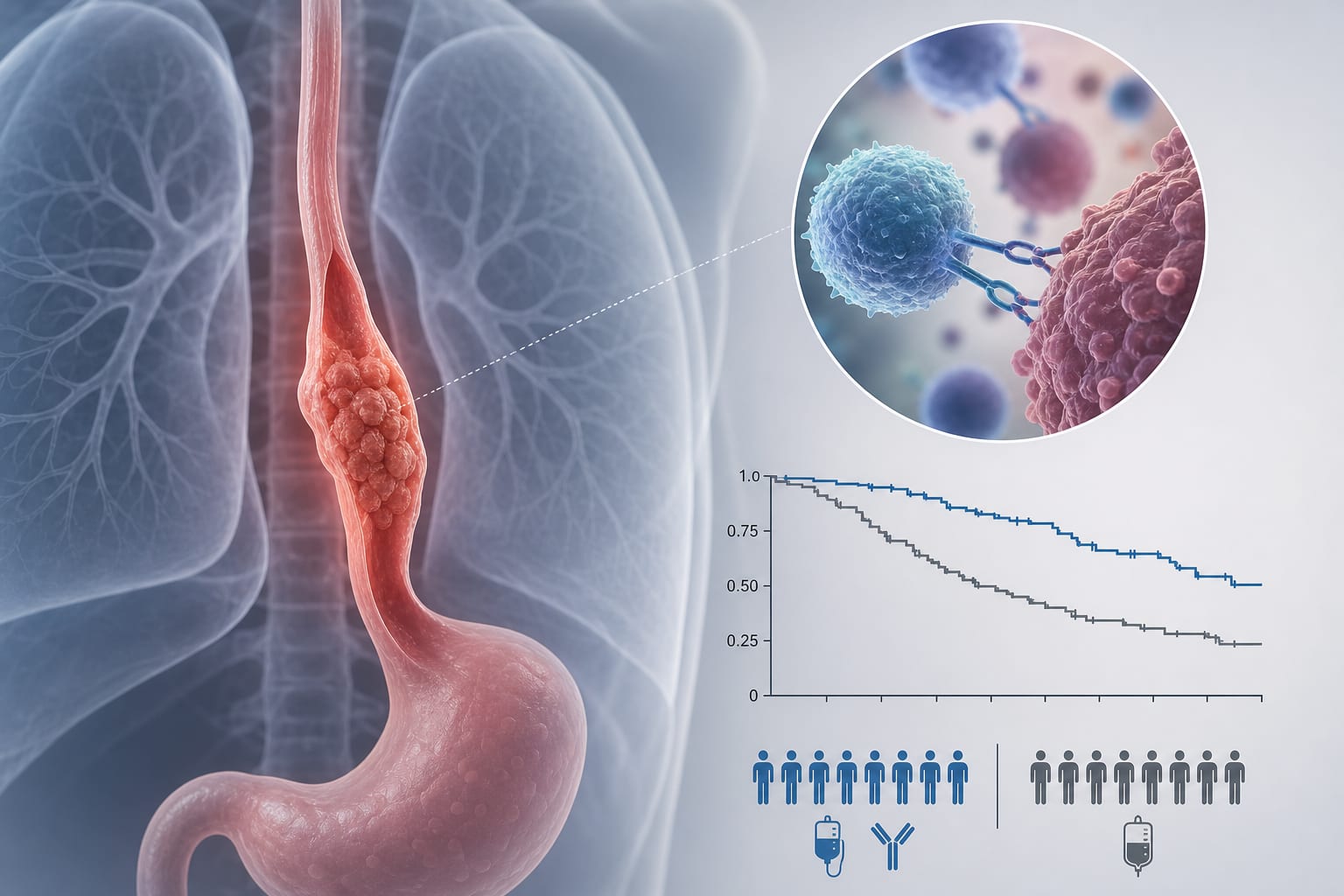
Combination therapies involving immune checkpoint inhibitors and chemotherapy are recommended for advanced gastric cancer.
Monitoring & Follow-up
Monitor for signs of metabolic stress and immune suppression in patients undergoing treatment.
Risks
Consider the risk of primary or secondary drug resistance due to the tumor microenvironment.
Patient & Prescribing Data
Patients with locally advanced unresectable or metastatic gastric cancer.
Combination of Nivolumab or Pembrolizumab with chemotherapy shows survival benefits.
Clinical Best Practices
Integrate metabolic targeting strategies with immunotherapy to improve patient outcomes.
Assess the tumor microenvironment to tailor treatment approaches for individual patients.