Clinical Scorecard: Impact of Roux-en-Y Gastric Bypass on Antidepressant Plasma Levels
At a Glance
Category
Detail
Condition
Obesity with comorbid depression treated with antidepressants
Key Mechanisms
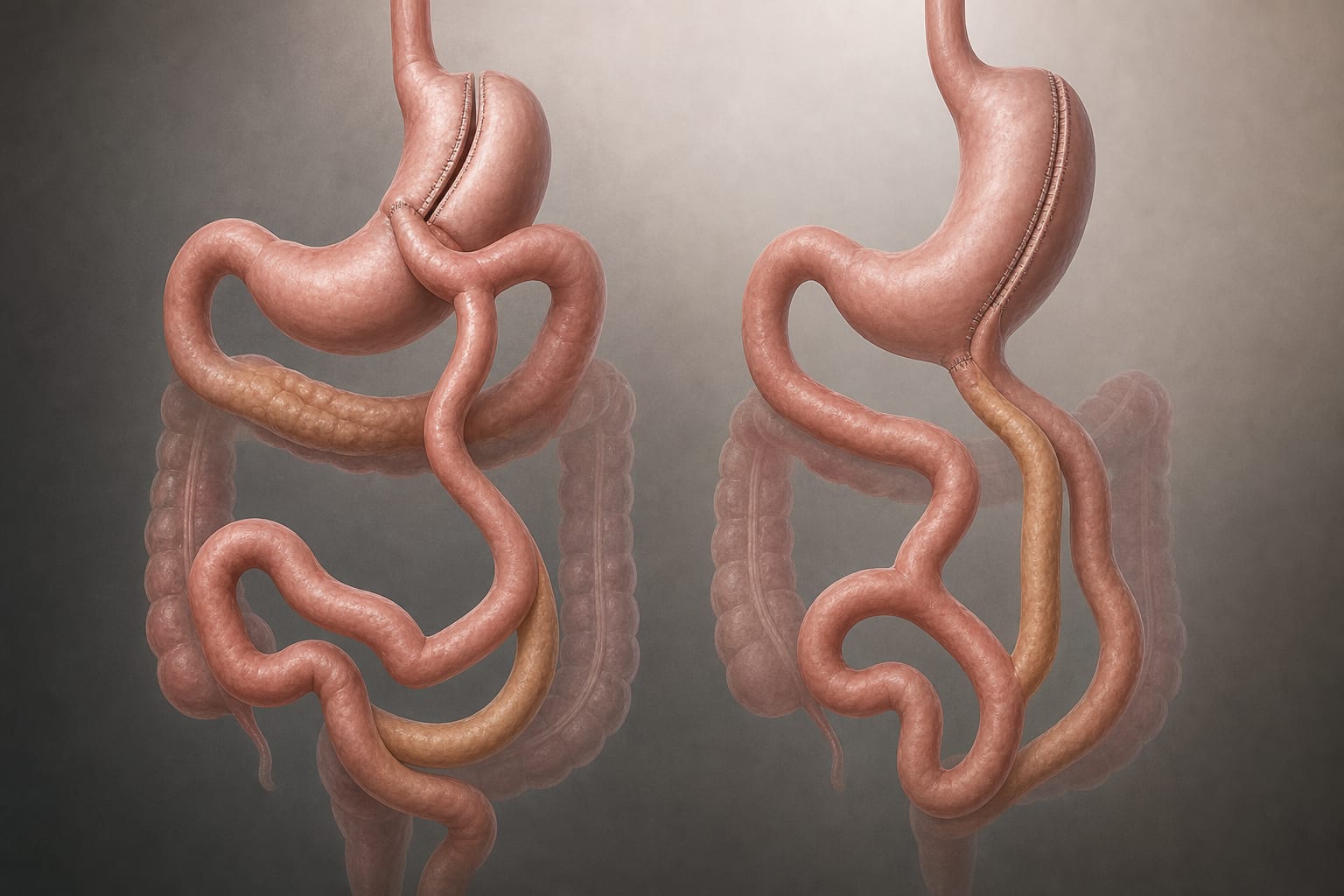
Roux-en-Y gastric bypass alters gastrointestinal anatomy and physiology, affecting oral drug absorption and pharmacokinetics of antidepressants
Target Population
Patients with obesity undergoing Roux-en-Y gastric bypass and treated with antidepressants
Care Setting
Multidisciplinary bariatric surgery centers with psychiatric and pharmacological monitoring
Key Highlights
RYGB causes altered gastric motility, reduced gastric volume, and increased gastric pH, leading to impaired oral drug dissolution and absorption.
Post-RYGB patients show decreased plasma concentrations of several antidepressants (sertraline, mirtazapine, duloxetine, citalopram) with reductions ranging from 19% to 51%.
Antidepressant plasma levels may initially decrease post-surgery but can normalize or increase by 6 to 12 months, indicating dynamic pharmacokinetic changes over time.
Guideline-Based Recommendations
Diagnosis
Measure plasma drug concentrations of antidepressants before and 3–6 months after RYGB to assess absorption changes.
Exclude patients who switch or stop antidepressants post-surgery from pharmacokinetic analysis to ensure steady-state evaluation.
Management
Adapt antidepressant dosing based on plasma concentration monitoring in collaboration with psychiatrists.
Use a multidisciplinary approach including nutritional and psychological support pre- and post-bariatric surgery.
Monitoring & Follow-up
Perform trough plasma drug concentration measurements under fasting conditions at steady state.
Monitor depressive symptoms longitudinally as symptom improvement may decline after 2 years post-surgery.
Risks
Potential for decreased antidepressant efficacy due to impaired absorption post-RYGB.
Increased risk of depressive symptom recurrence and suicide post-bariatric surgery.
Possible multifactorial causes for symptom worsening including weight regain and altered drug pharmacokinetics.
Patient & Prescribing Data
Adults with obesity on antidepressants undergoing Roux-en-Y gastric bypass
Significant decreases in plasma concentrations of sertraline, mirtazapine, duloxetine, and citalopram post-RYGB suggest need for dose adjustments and careful therapeutic drug monitoring.
Clinical Best Practices
Implement routine plasma concentration monitoring of antidepressants before and after RYGB surgery.
Coordinate care among bariatric surgeons, psychiatrists, and pharmacists for individualized antidepressant management.
Educate patients about potential changes in antidepressant efficacy and the importance of adherence and follow-up.
Consider pharmacokinetic variability over time post-surgery when planning long-term antidepressant therapy.