Understanding the Liver-Brain Connection: Functions and Preventive Therapeutic Approaches in Disease Management
-
By
-
Yaoyao Chen
-
Shangcheng Xu
-
Tao Sun
-
June 26, 2026
Clinical Scorecard: Understanding the Liver-Brain Connection: Functions and Preventive Therapeutic Approaches in Disease Management
At a Glance
| Category | Detail |
|---|
| Condition | Liver-Brain Axis Dysfunction |
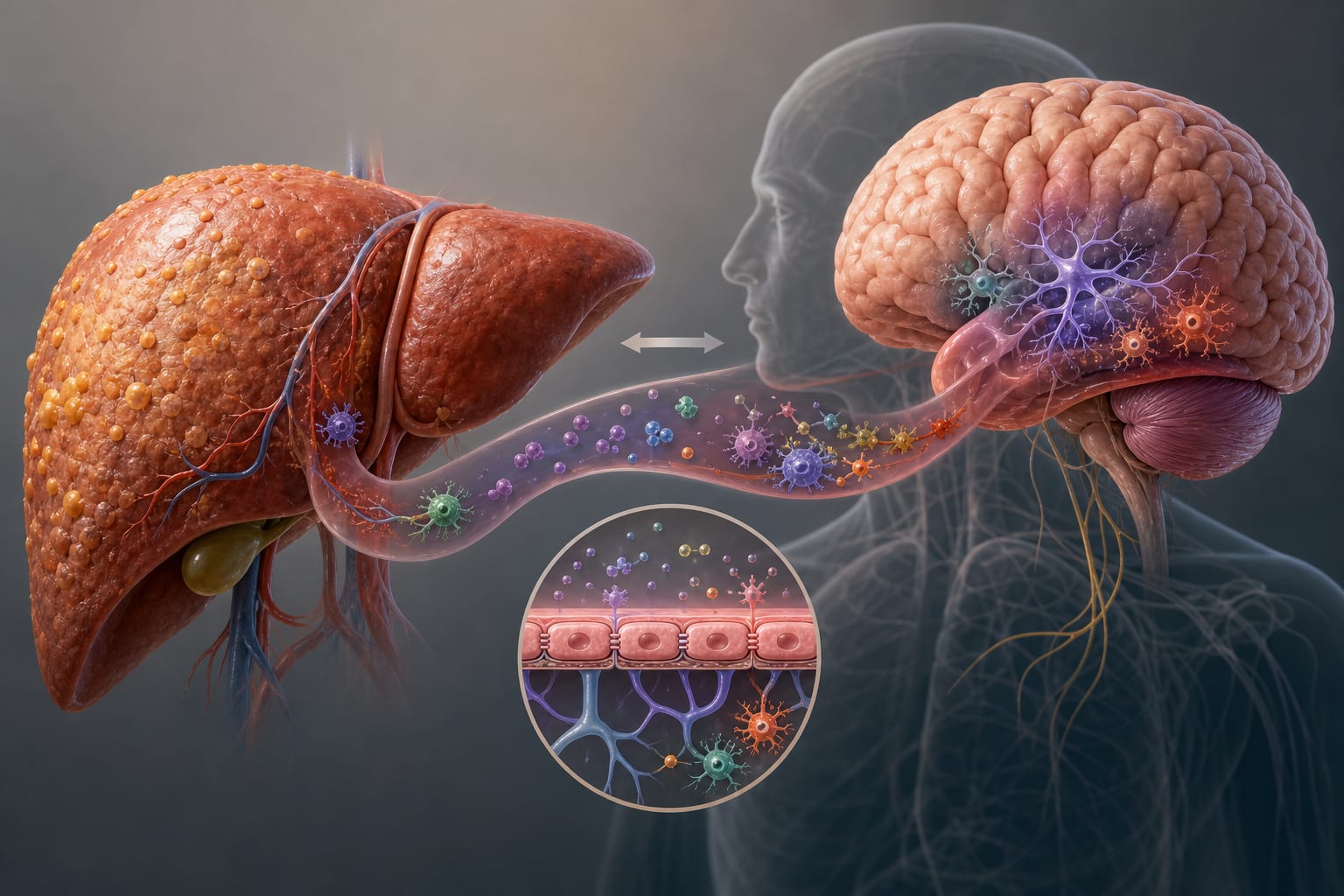
| Key Mechanisms | Bidirectional communication network integrating neural, humoral, and immune pathways. |
| Target Population | Individuals with obesity, diabetes, and associated neuropsychiatric disorders. |
| Care Setting | Clinical management of metabolic dysfunction-associated liver diseases and psychiatric conditions. |
Key Highlights
- The liver-brain axis (LBA) is a dynamic network influencing metabolic and neuroimmune responses.
- LBA dysfunction is linked to obesity, diabetes, and neuropsychiatric disorders.
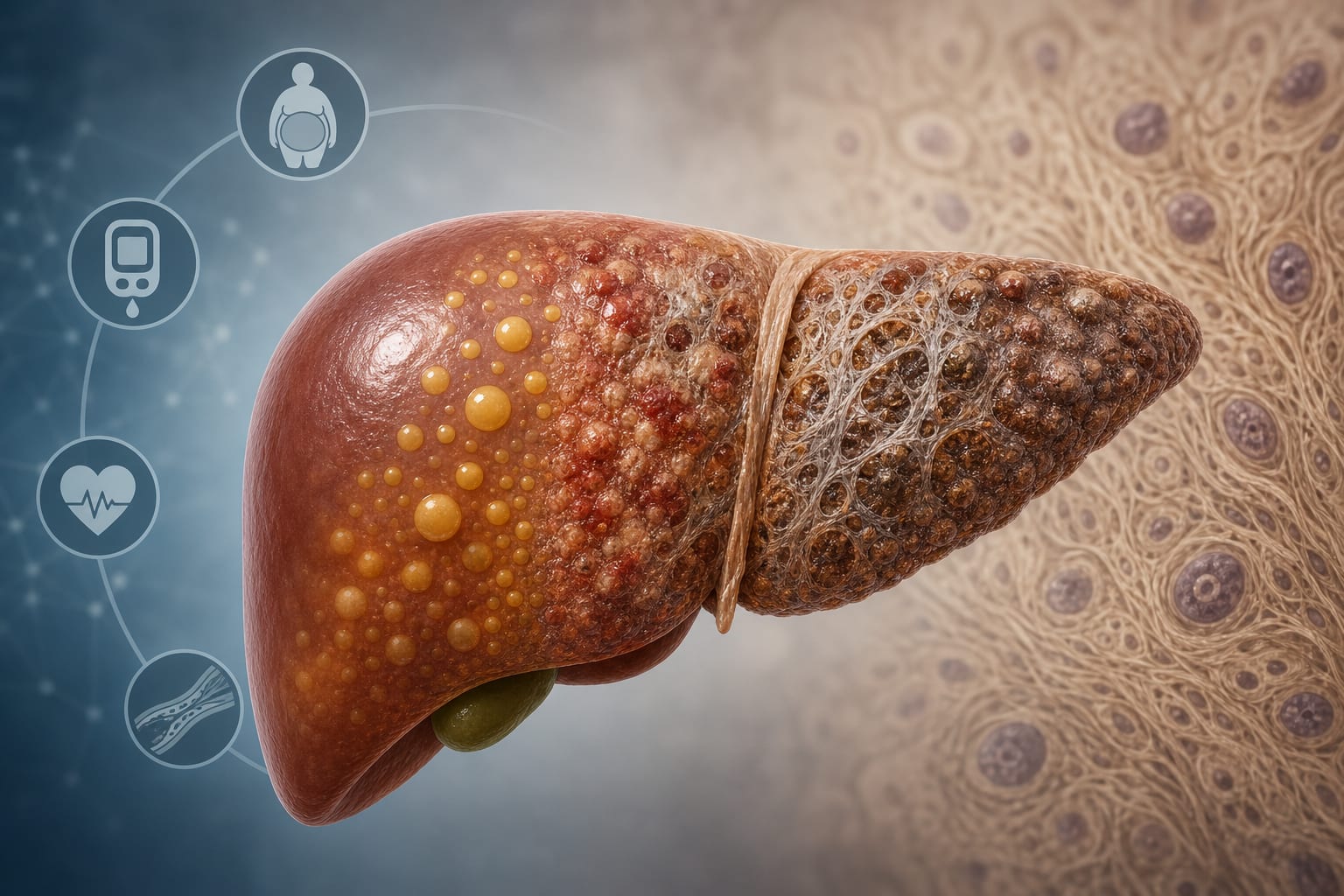
- Therapeutic advances targeting the LBA show potential for managing metabolic dysfunction-associated liver diseases.
Guideline-Based Recommendations
Diagnosis
- Assess metabolic and neuropsychiatric conditions in patients with liver dysfunction.
Management
- Implement LBA-targeted interventions for metabolic dysfunction-associated steatotic liver disease (MASLD) and metabolic dysfunction-associated steatohepatitis (MASH).
Monitoring & Follow-up
- Monitor neurocognitive and psychiatric outcomes in patients with liver disease.
Risks
- Consider the elevated risk of cognitive decline and mood disorders in patients with obesity and diabetes.
Patient & Prescribing Data
Patients with obesity, diabetes, and related neuropsychiatric conditions.
Emerging therapies targeting the liver-brain axis may improve outcomes in metabolic and psychiatric disorders.
Clinical Best Practices
- Integrate assessment of liver function and neuropsychiatric health in clinical evaluations.
- Utilize a multidisciplinary approach for managing patients with LBA dysfunction.
Related Resources & Content