Clinical Scorecard: Head and Neck Squamous Cell Carcinoma Associated with Human Papillomavirus (HPV) in a Diverse Developing Nation
At a Glance
Category
Detail
Condition
Head and Neck Squamous Cell Carcinoma (HNSCC) associated with HPV
Key Mechanisms
HPV-driven oncogenesis primarily via transcriptionally active high-risk HPV detected by E6/E7 mRNA expression
Target Population
Malaysian patients aged ≥18 years with primary HNSCC
Care Setting
Pathology laboratories and oncology clinical settings in Malaysia
Key Highlights
HPV-driven HNSCC is most commonly found in the oropharynx and is associated with improved survival compared to HPV-independent HNSCC.
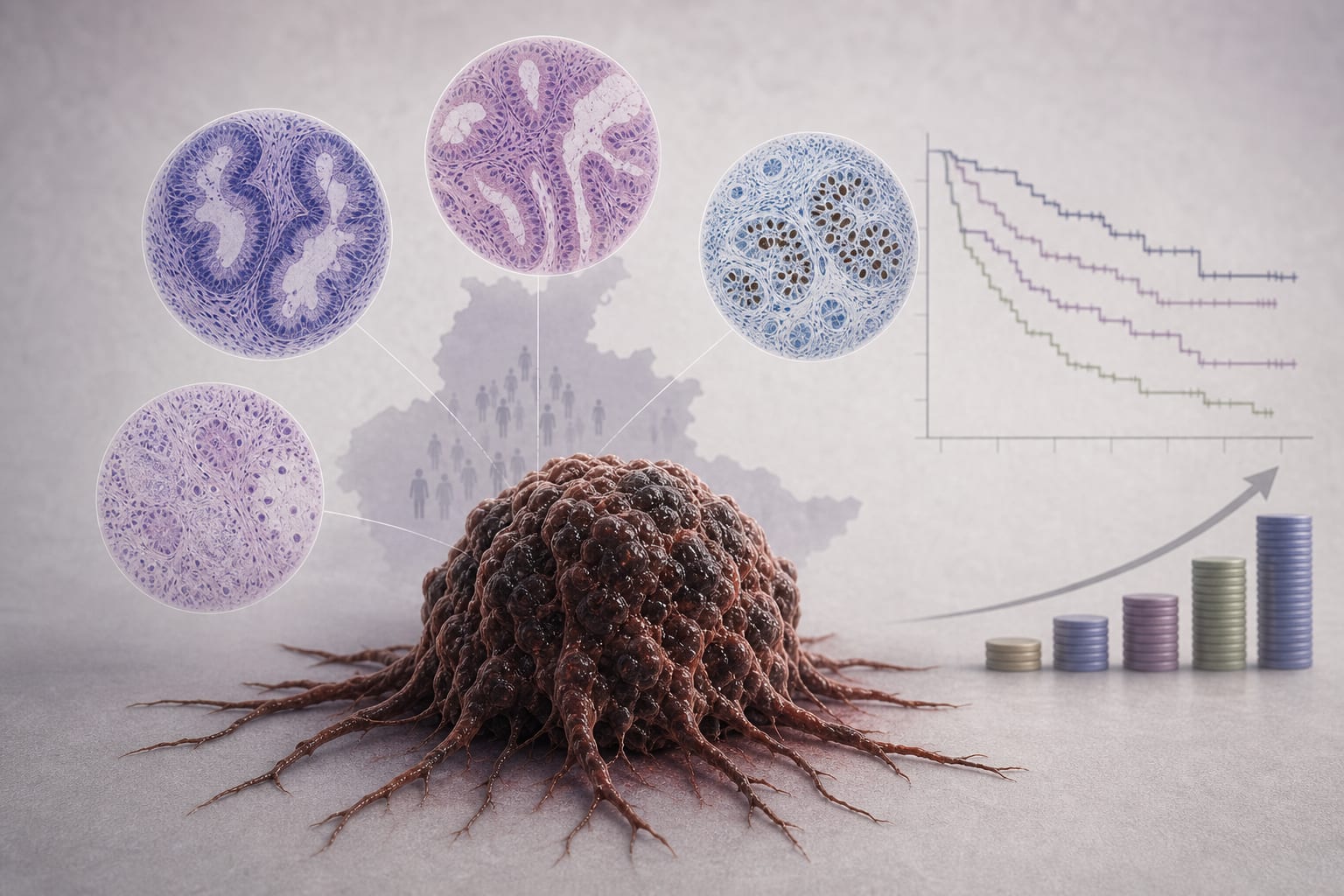
p16INK4a immunohistochemistry (IHC) is a sensitive surrogate marker for HPV but has up to 20% false positive rate; confirmation with molecular tests detecting E6/E7 mRNA is essential.
RNA in situ hybridization (RNAISH) detecting transcriptionally active HPV in FFPE tissue is considered the clinical gold standard for diagnosing HPV-driven HNSCC.
Guideline-Based Recommendations
Diagnosis
Use p16INK4a IHC as an initial screening test for HPV association in HNSCC.
Confirm HPV-driven status with molecular detection of E6/E7 mRNA via RNAISH to identify transcriptionally active HPV.
Classify tumours as HPV-driven if RNAISH positive; classify as HPV-independent if RNAISH negative regardless of other test results.
Management
Consider HPV status in staging and prognostication, especially for oropharyngeal squamous cell carcinoma (OPSCC).
Use HPV status to guide treatment decisions given improved prognosis of HPV-driven OPSCC.
Monitoring & Follow-up
Follow overall survival and clinical outcomes with respect to HPV status.
Monitor for discordant HPV test results (p16INK4a positive but RNAISH negative) as these patients have intermediate prognosis.
Risks
False positive HPV status if relying solely on p16INK4a IHC, especially in regions with low HPV prevalence.
Potential misclassification of HPV-driven tumours without molecular confirmation may affect prognosis and treatment.
Patient & Prescribing Data
Adult Malaysian patients with primary head and neck squamous cell carcinoma
HPV-driven tumours identified by RNAISH have better prognosis and may benefit from tailored treatment strategies; accurate HPV status determination is critical.
Clinical Best Practices
Perform p16INK4a IHC as a sensitive initial test for HPV association in HNSCC specimens.
Confirm HPV-driven status with RNAISH detection of E6/E7 mRNA to ensure transcriptionally active HPV presence.
Use combined HPV testing results to stratify patients prognostically and guide clinical management.
Ensure histopathological confirmation of tumour tissue in all tested FFPE sections to maintain diagnostic accuracy.
Recognize geographic variability in HPV prevalence and false positive rates when interpreting p16INK4a IHC results.