Addressing Addiction Through a Controversial Approach: Reevaluating the Role of Ketamine
By
Alqassem Y. Hakami
July 9, 2026
Clinical Scorecard: Addressing Addiction Through a Controversial Approach: Reevaluating the Role of Ketamine
At a Glance
Category Detail
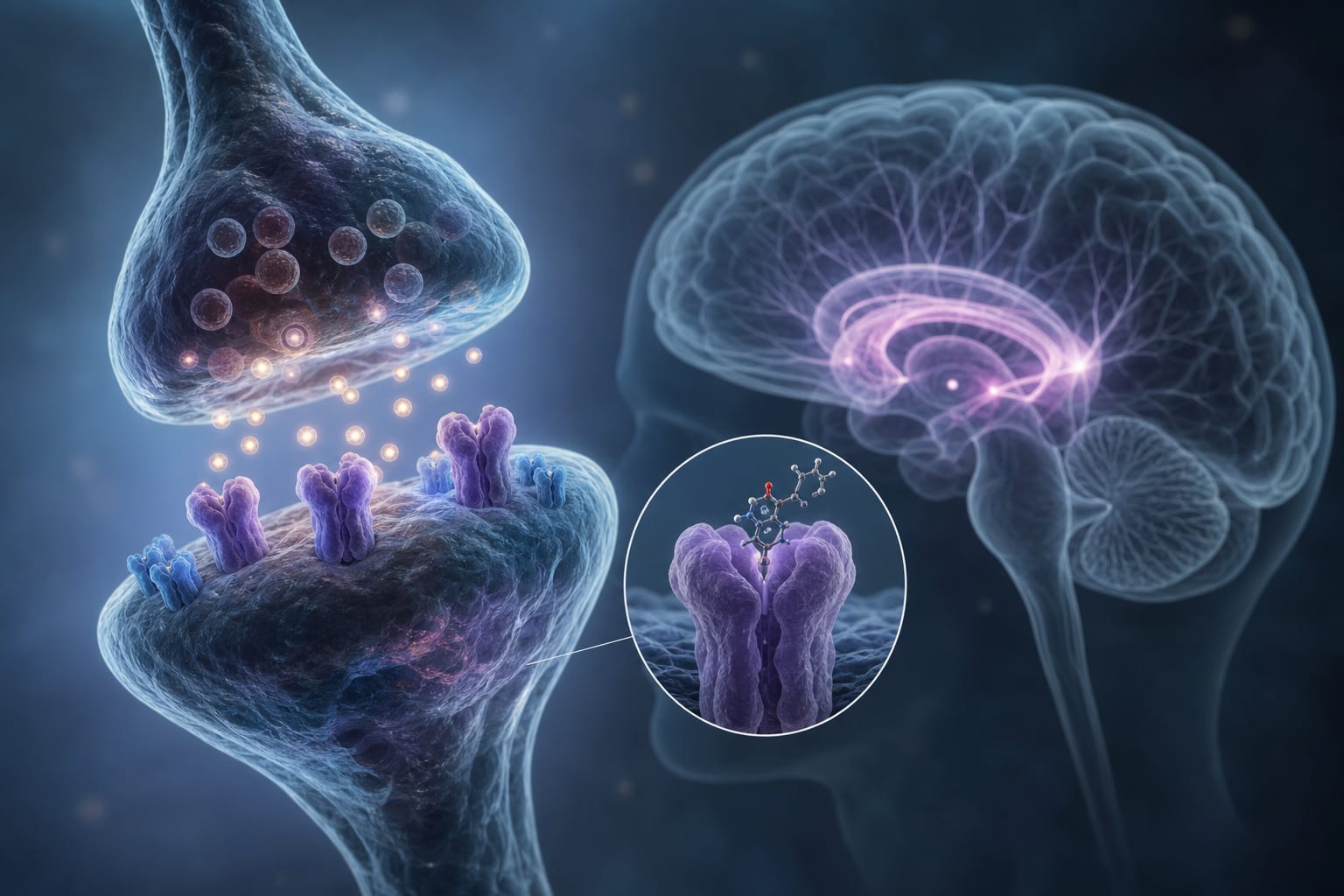
Condition Substance Use Disorders (SUDs) Key Mechanisms Ketamine promotes synaptic plasticity via NMDA receptor antagonism and downstream glutamatergic signaling. Target Population Individuals with treatment-resistant depression and substance use disorders. Care Setting Clinical settings with structured delivery and supervision.
Key Highlights
Ketamine combined with psychotherapy has demonstrated reductions in cravings and increases in abstinent days in small-to-moderate Phase 2 trials. Current pharmacological treatments for SUDs have limitations and gaps in effectiveness. Ketamine's mechanism may disrupt maladaptive reward-related memories and neurocircuitry involved in addiction. Acute adverse effects of ketamine are generally transient under clinical supervision. There is a risk of misuse associated with ketamine, particularly in unsupervised settings. Guideline-Based Recommendations
Diagnosis
Assessment of substance use disorders and treatment-resistant depression. Management
Consider ketamine as an adjunctive treatment for selected SUDs in combination with psychotherapy. Monitoring & Follow-up
Monitor for acute adverse effects and potential misuse during ketamine administration. Risks
Risk of misuse, particularly in unsupervised or high-dose settings. Patient & Prescribing Data
Patients with treatment-resistant depression and substance use disorders.
Larger-scale trials are needed to define ketamine's role in treatment.
Clinical Best Practices
Careful patient selection for ketamine therapy. Integration of ketamine treatment with psychotherapy. Structured delivery of ketamine in clinical settings. Related Resources & Content