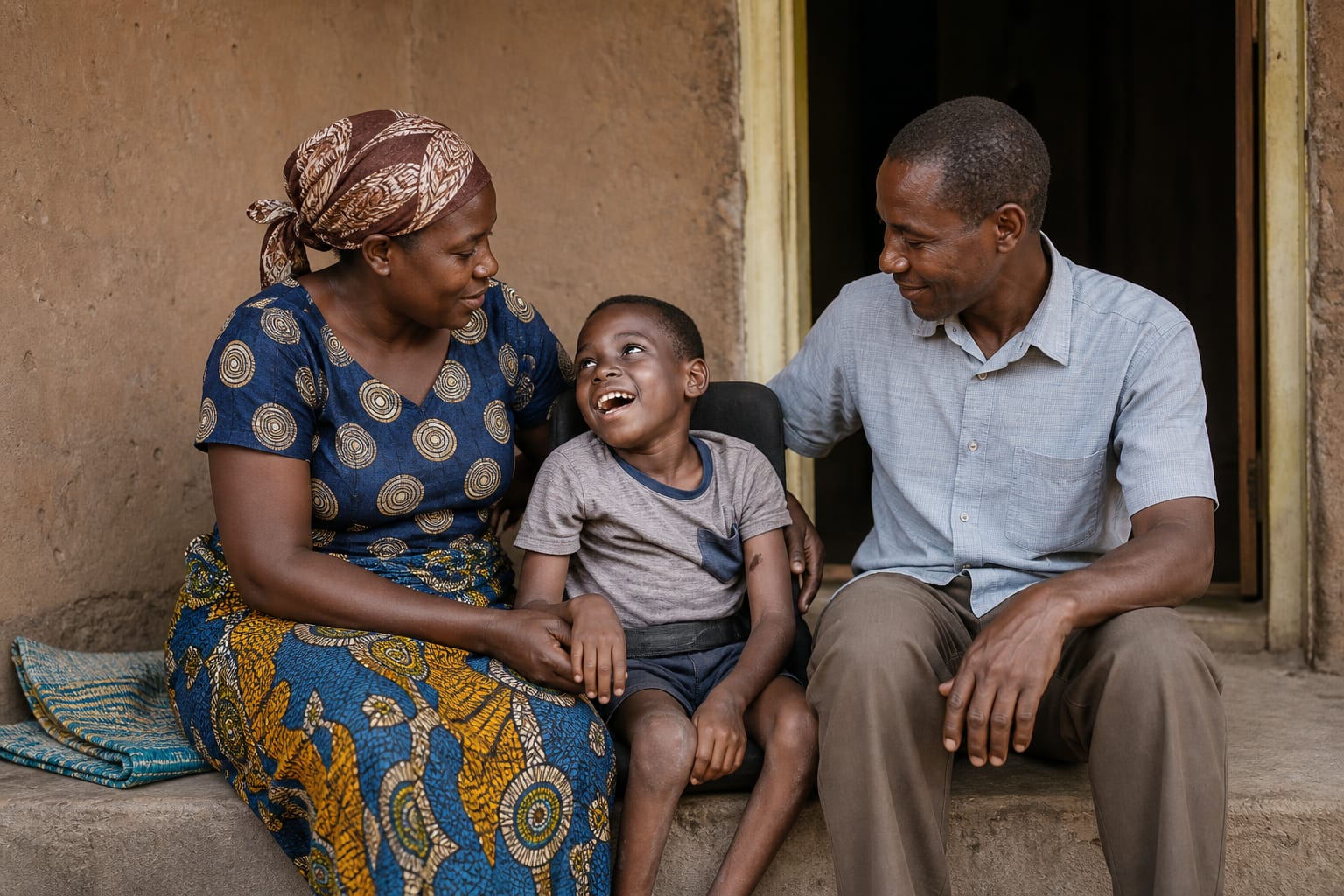
Enhancing Family Dynamics and Wellbeing in Rwandan Families with Disabled Children: Utilizing the SAFE Child Protection Framework
By
Alain Ahishakiye
Hannah Gilbert
Leila Dal Santo
Ann Miller
M. C. Smith Fawzi
Cat Kirk
Candace J. Black
Wijnand Van Den Boom
Mukeshimana Verena
Roberto Baiocco
Sarah K. G. Jensen
Kim Wilson
Vincent Sezibera
Theresa S. Betancourt
September 14, 2026
Clinical Scorecard: Enhancing Family Dynamics and Wellbeing in Rwandan Families with Disabled Children: Utilizing the SAFE Child Protection Framework
At a Glance
Category Detail
Condition Families raising children with disabilities Key Mechanisms SAFE child protection model Target Population Caregivers of children with disabilities in low-resource settings Care Setting Community-based interventions in Rwanda
Key Highlights
Identified threats to child safety include mental health issues, stigma, and financial strain. The SAFE model provides a framework for understanding family dynamics and child protection. Single-parent households face unique challenges in caregiving and support. Government reforms aim to improve the wellbeing of families with disabled children. Guideline-Based Recommendations
Diagnosis
Assess caregiver mental health and social support needs. Management
Implement family-centered interventions based on the SAFE model. Monitoring & Follow-up
Evaluate the impact of interventions on family functioning and child wellbeing. Risks
Address risks associated with stigma, financial strain, and inadequate healthcare access. Patient & Prescribing Data
Caregivers of children aged 6–8 with disabilities in Rwanda
Focus on enhancing caregiver knowledge and capacity for child care.
Clinical Best Practices
Utilize a holistic approach to address socio-ecological factors affecting families. Promote community support networks for families raising children with disabilities. Advocate for policy changes to improve access to healthcare and resources. Related Resources & Content