Clinical Scorecard: Impact of Gastric Bypass Surgery on Oral Health and Quality of Life
At a Glance
Category
Detail
Condition
Obesity and post-gastric bypass surgery oral health
Key Mechanisms
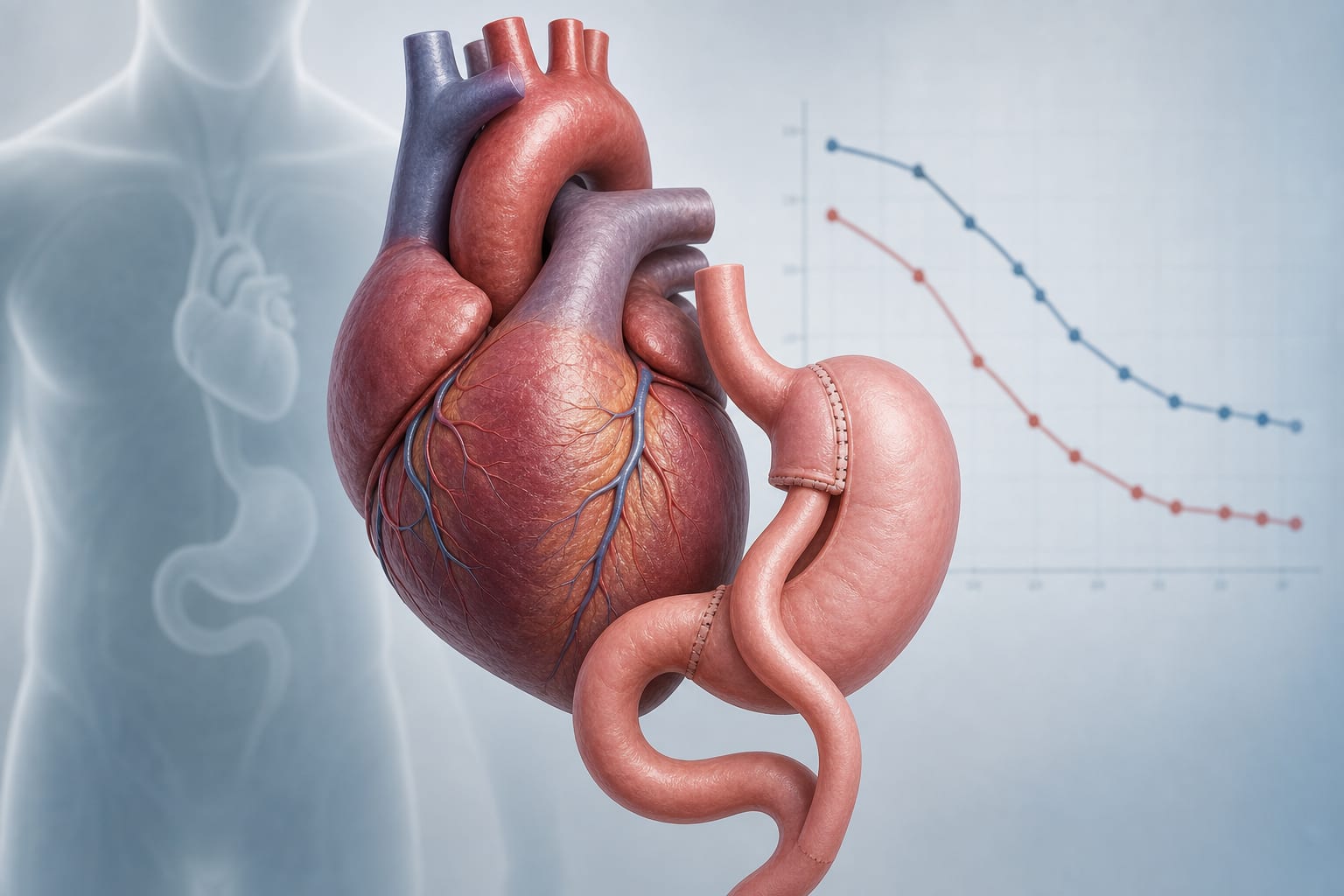
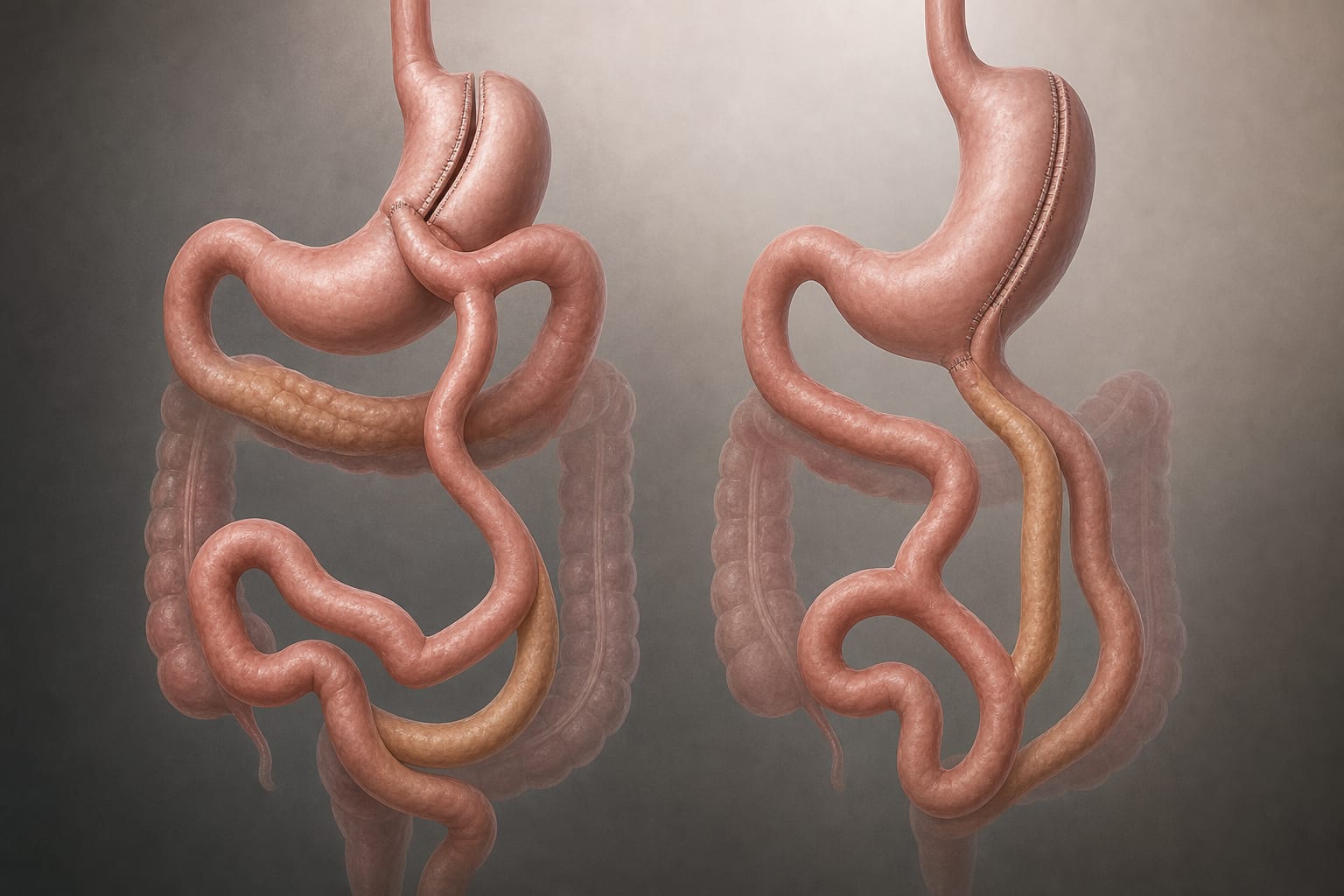
Gastric bypass surgery leads to significant weight loss and reduced comorbidities but may cause oral complications such as tooth hypersensitivity, periodontal changes, and altered salivary flow
Target Population
Individuals undergoing laparoscopic gastric bypass surgery for morbid obesity
Care Setting
Postoperative follow-up in bariatric surgery and dental care settings
Key Highlights
Gastric bypass surgery results in long-term weight loss and improved general health-related quality of life.
Oral complications post-surgery include increased risk of tooth hypersensitivity, deeper periodontal pockets, and dental caries, though findings are inconsistent.
Oral health-related quality of life (OHRQoL) may be affected by physical, psychological, and social factors after surgery.
Guideline-Based Recommendations
Diagnosis
Assess self-perceived oral health and number of remaining teeth post-surgery.
Evaluate oral symptoms such as tooth hypersensitivity, acid reflux, and vomiting frequency.
Use validated instruments like the Oral Health Impact Profile-49 (OHIP-49) to measure OHRQoL.
Management
Monitor and manage oral complications including hypersensitivity and periodontal health.
Encourage regular dental appointments at least once a year for routine examinations.
Address patient-reported oral health problems promptly to improve quality of life.
Monitoring & Follow-up
Follow-up assessments approximately 2 years post-surgery to evaluate stabilization of weight loss and oral health status.
Use OHIP-49 scores to monitor changes in oral health-related quality of life over time.
Track frequency of dental visits and reasons for visits to identify emerging oral health issues.
Risks
Potential for increased dental caries and periodontal disease post-gastric bypass surgery.
Risk of tooth hypersensitivity and acid reflux-related oral symptoms.
Long-term oral health complications may impact psychosocial well-being and quality of life.
Patient & Prescribing Data
Adults who underwent laparoscopic gastric bypass surgery in the Västra Götaland region, Sweden
Patients report varied oral health outcomes post-surgery; some experience improved salivary flow and reduced dry mouth, while others report increased oral symptoms affecting quality of life.
Clinical Best Practices
Incorporate oral health assessments into routine postoperative care for bariatric surgery patients.
Utilize patient-reported outcome measures like OHIP-49 to capture the impact of oral health on quality of life.
Educate patients on maintaining oral hygiene and the importance of regular dental visits after surgery.
Consider multidisciplinary collaboration between bariatric surgeons, dentists, and primary care providers for comprehensive care.