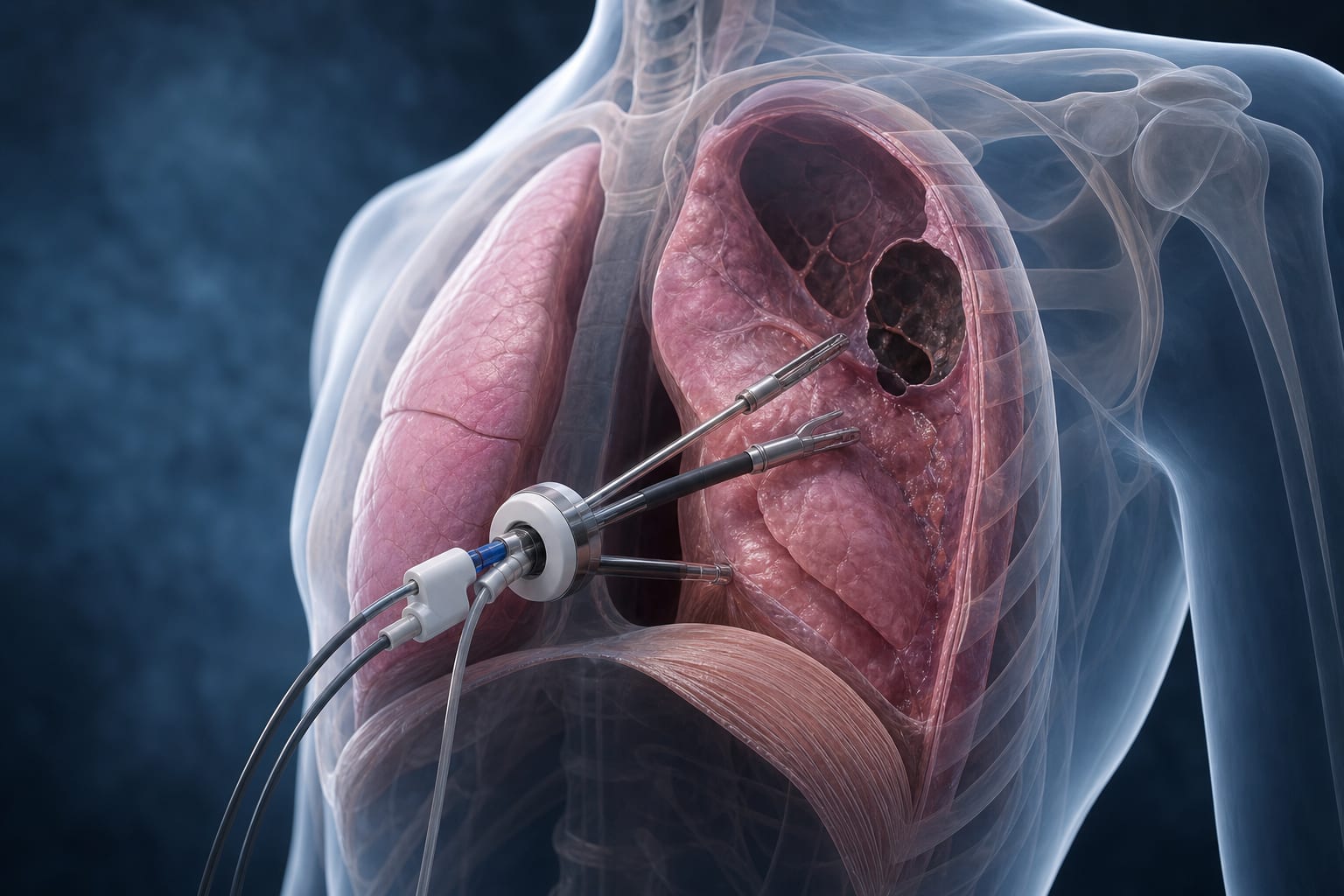
Clinical Scorecard: Could EPR Extend Survival In Trauma?
At a Glance
Category
Detail
Condition
Noncompressible torso hemorrhage and traumatic cardiac arrest
Key Mechanisms
Induction of profound hypothermia via rapid infusion of ice-cold fluids to reduce core and brain temperatures to ~10 °C, inducing a hypometabolic state that delays ischemic injury
Target Population
Patients aged 18 to 65 years with penetrating trauma and loss of vital signs within 5 minutes of arrival
Care Setting
Advanced trauma centers with capability for emergency preservation and resuscitation and extracorporeal life support
Key Highlights
EPR may extend survival by allowing up to 60 minutes for hemorrhage control and damage control surgery during hypothermic circulatory arrest
Preclinical models show over 75% survival with intact neurologic function after EPR protocols in complex trauma
Clinical feasibility demonstrated in the Emergency Preservation and Resuscitation for Cardiac Arrest from Trauma trial with survival to hospital discharge without significant neurologic sequelae as primary endpoint
Guideline-Based Recommendations
Diagnosis
Identify patients with noncompressible torso hemorrhage and traumatic cardiac arrest rapidly, especially those with penetrating trauma and loss of vital signs within 5 minutes of arrival
Management
Initiate rapid infusion of ice-cold fluids to induce profound hypothermia (~10 °C core temperature)
Perform hemorrhage control and damage control surgery within the hypothermic window (up to 60 minutes)
Use controlled reperfusion and gradual rewarming protocols
Consider adjunctive technologies such as extracorporeal life support and pharmacologic agents to support microcirculation and reduce ischemia-reperfusion injury
Monitoring & Follow-up
Monitor core and brain temperatures closely to maintain target hypothermia
Observe for hypothermia-associated coagulopathy and manage anticoagulation during extracorporeal circulation
Assess neurologic function post-resuscitation
Risks
Hypothermia-associated coagulopathy
Anticoagulation-related bleeding during extracorporeal circulation
Ischemia-reperfusion injury upon rewarming
Logistical complexity and need for specialized personnel limit widespread implementation
Patient & Prescribing Data
Penetrating trauma patients aged 18-65 years with traumatic cardiac arrest and rapid loss of vital signs
EPR protocols may improve survival to hospital discharge without significant neurologic sequelae by extending tolerance to circulatory arrest and preserving neurologic function
Clinical Best Practices
Ensure rapid initiation of hypothermia induction immediately upon patient arrival
Coordinate multidisciplinary trauma teams trained in EPR protocols and extracorporeal life support
Implement controlled reperfusion and gradual rewarming to minimize reperfusion injury
Prepare for management of coagulopathy and anticoagulation during extracorporeal circulation
Utilize adjunctive pharmacologic agents to support microcirculation during resuscitation