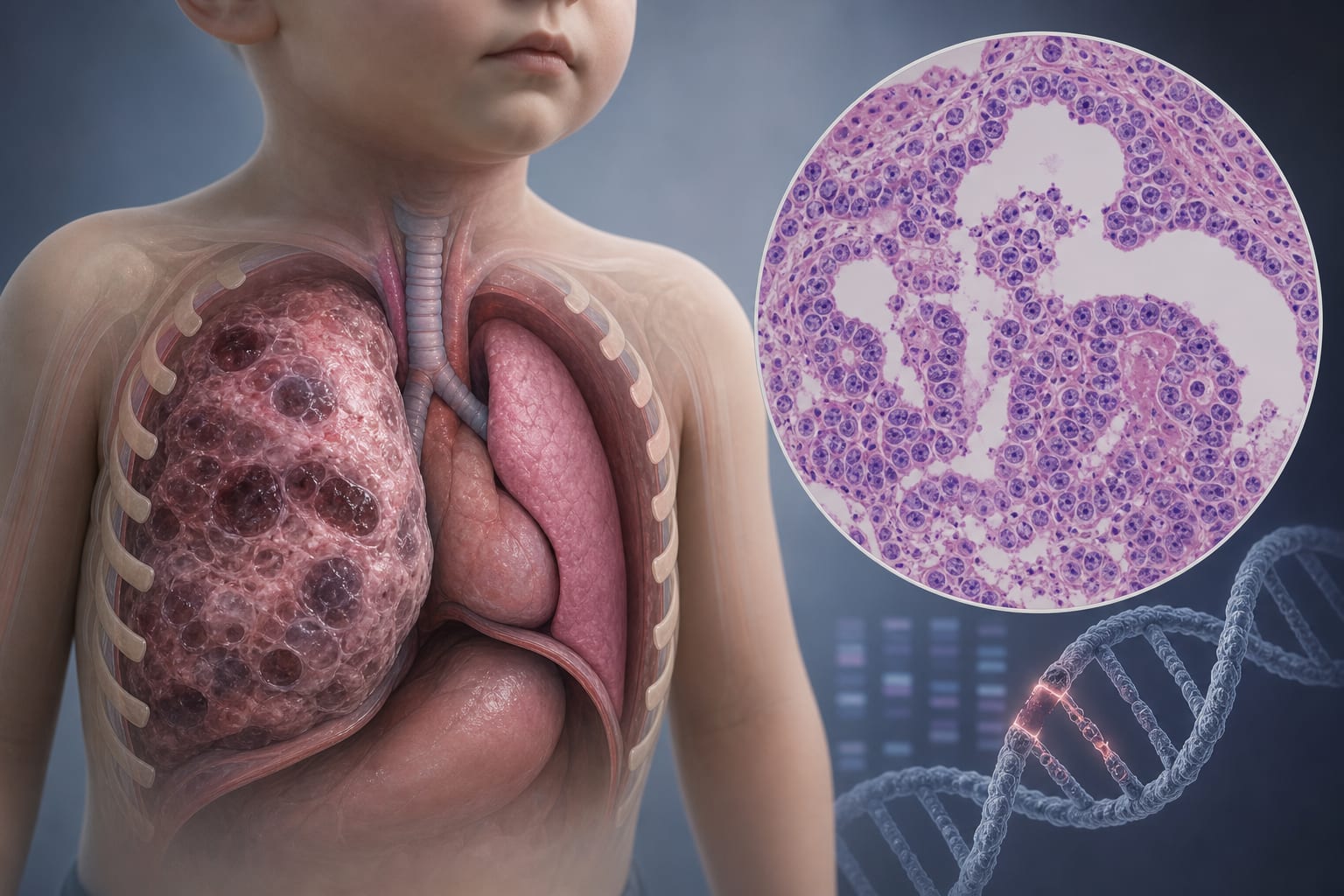
Clinical Scorecard: The Role of FOXA2 in Cancer: From Basic Biology to Clinical Applications
At a Glance
Category
Detail
Condition
Cancer
Key Mechanisms
Dysregulation of FOXA2 influences malignant phenotypes through modulation of EMT, HIF-1α signaling, Wnt/β-catenin pathway activity, and tumor immune microenvironment.
Target Population
Patients with various cancers including hepatocellular carcinoma, gastric adenocarcinoma, lung adenocarcinoma, and ovarian cancer.
Care Setting
Oncology
Key Highlights
FOXA2 acts as a pioneer factor, binding to condensed chromatin to facilitate transcription.
Dysregulated FOXA2 expression is associated with multiple cancers, exhibiting oncogenic or tumor suppressor roles.
FOXA2 may influence patient prognosis and contribute to tumor immune escape.
Potential for FOXA2 as a diagnostic and prognostic biomarker.
Emerging therapeutic strategies targeting FOXA2 or its regulatory pathways.
Guideline-Based Recommendations
Diagnosis
Evaluate FOXA2 expression levels in clinical samples for prognostic insights.
Management
Consider targeting FOXA2 or its pathways in therapeutic strategies.
Monitoring & Follow-up
Monitor FOXA2 expression changes in response to treatment.
Risks
Altered FOXA2 expression may lead to poor prognosis in specific cancer types.
Patient & Prescribing Data
Patients diagnosed with cancers influenced by FOXA2 dysregulation.
FOXA2's role in cancer progression suggests potential therapeutic targets.
Clinical Best Practices
Integrate FOXA2 assessment in cancer diagnostics.
Utilize FOXA2 as a biomarker for treatment response monitoring.
Explore FOXA2-targeted therapies in clinical trials.