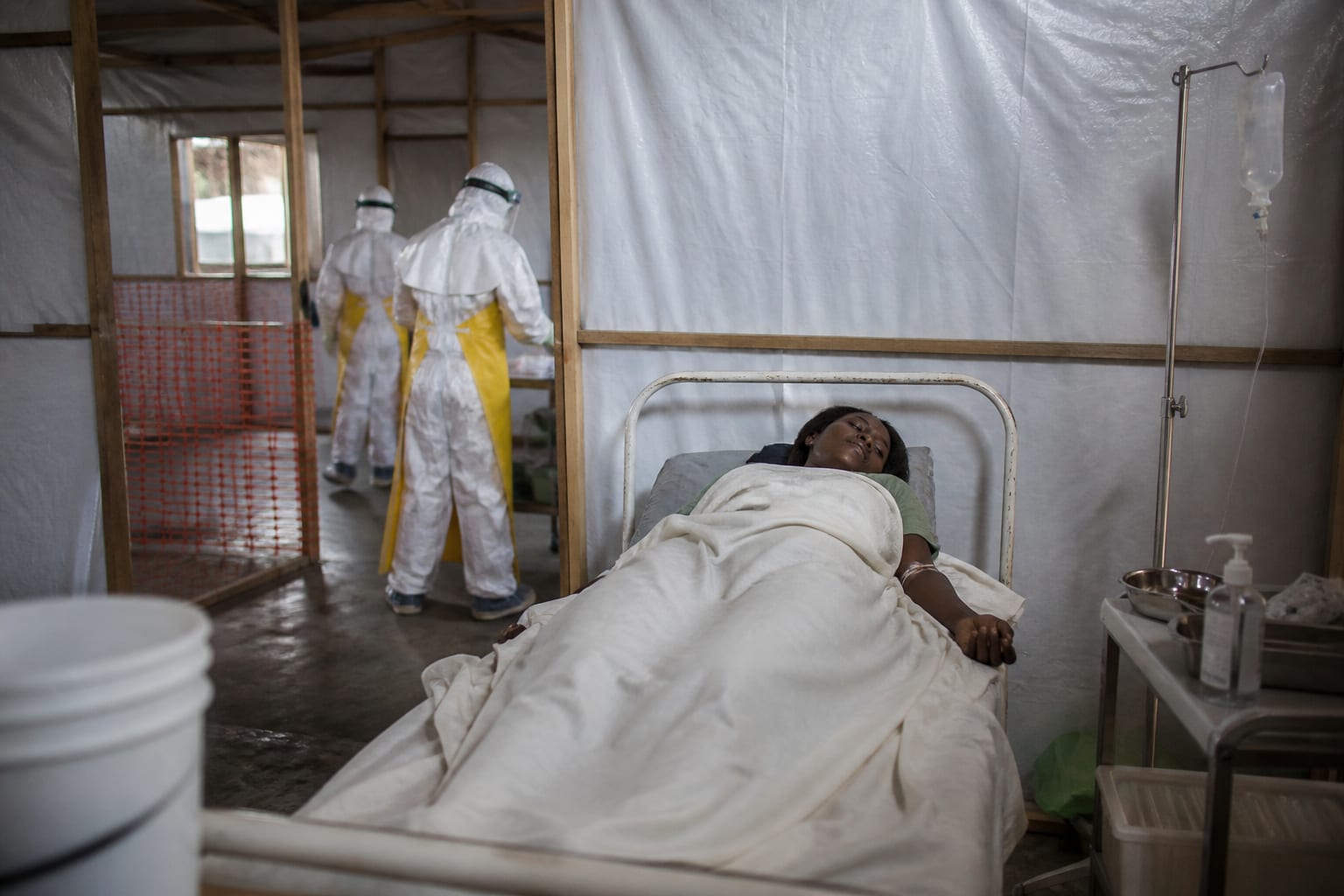
Challenges in managing ruptured ectopic pregnancy complicated by hemorrhagic shock in an Ebola treatment unit in DR Congo: first reported case - Scorecard - MDSpire
Clinical Scorecard: Managing a Ruptured Ectopic Pregnancy with Hemorrhagic Shock in an Ebola Treatment Facility in the Democratic Republic of Congo: A Case Report
At a Glance
Category
Detail
Condition
Ruptured Ectopic Pregnancy
Key Mechanisms
Implantation of products of conception beyond the uterine cavity leading to hemorrhagic shock.
Target Population
Pregnant women in resource-limited settings, particularly those with suspected Ebola virus disease.
Care Setting
Ebola Treatment Units (ETUs)
Key Highlights
Ectopic pregnancy is a life-threatening obstetric emergency.
Ruptured ectopic pregnancy can lead to hemorrhagic shock.
Limited resources in ETUs complicate the management of obstetric emergencies.
Maternal mortality remains high in low-income countries due to ectopic pregnancy.
This case represents the first documented instance of ruptured ectopic pregnancy in an ETU.
Guideline-Based Recommendations
Diagnosis
Prompt diagnosis of ectopic pregnancy is essential for maternal survival.
Management
Surgical intervention is required for ruptured ectopic pregnancy.
Monitoring & Follow-up
Continuous monitoring for signs of hemorrhagic shock is critical.
Risks
High maternal mortality risk associated with ruptured ectopic pregnancy in resource-limited settings.
Patient & Prescribing Data
Pregnant women with suspected Ebola virus disease and ectopic pregnancy.
Supportive treatment initiated due to lack of ultrasound and surgical facilities.
Clinical Best Practices
Ensure availability of surgical facilities in ETUs for obstetric emergencies.
Implement training for personnel in managing obstetric complications.
Establish protocols for rapid diagnosis and treatment of ectopic pregnancies.
by Prince Imani-Musimwa, Emilie Grant, Daniel Mukadi-Bamuleka, Rigo Fraterne-Muhayangabo, Alfred Ombeni-Musimwa, Zacharie Tsongo-Kibendelwa, Olivier Nyakio-Ngeleza, Richard Kitenge-Omasumbu, Théophile Barhwamire-Kabesha, Dieudonné Sengey-Mushengezi-Amani, Placide Mbala-Kingebeni, Richard Bitwe-Mihanda, Juakali Sihali-Kyolov, Mija Ververs
Achievable goals, activity tracking, and social support are among the strategies JAMA researchers recommend for patients with chronic medical conditions.