Photodynamic therapy gains FDA approval for superficial BCC
Phase 3 trial data showed greater clinical and histological clearance than with placebo photodynamic therapy.
-
By
-
Kathryn Wighton
-
September 15, 2026
-
Clinical Scorecard: Photodynamic therapy gains FDA approval for superficial BCC
At a Glance
| Category | Detail |
|---|
| Condition | Superficial Basal Cell Carcinoma (BCC) |
| Key Mechanisms | Aminolevulinic acid hydrochloride (Ameluz) topical gel combined with photodynamic therapy using BF-RhodoLED lamp. |
| Target Population | Adults with superficial basal cell carcinoma. |
| Care Setting | Dermatology clinics and outpatient settings. |
Key Highlights
- FDA approved Ameluz for superficial BCC treatment.
- Approximately 3.6 million BCC cases diagnosed annually in the US.
- Superficial BCC accounts for 15% to 20% of BCC cases.
- Phase 3 trial showed 66% clinical response with Ameluz vs. 5% with placebo.
- Application-site reactions were the most common adverse effects.
Guideline-Based Recommendations
Diagnosis
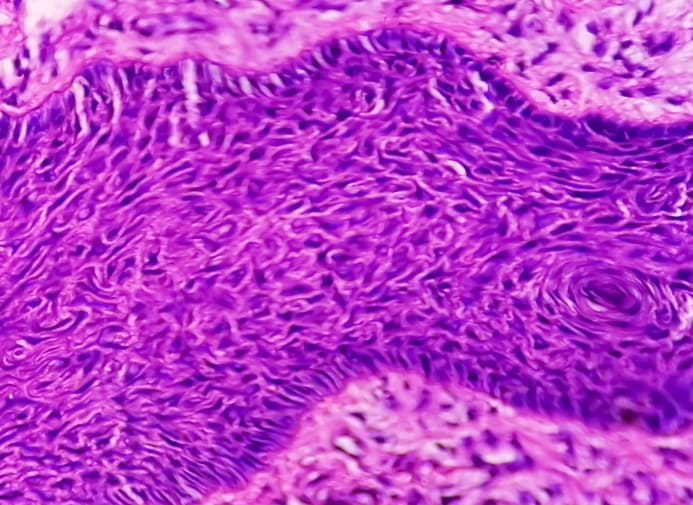
- Histological confirmation of superficial BCC is required.
Management
- Use of aminolevulinic acid hydrochloride with photodynamic therapy for treatment.
Monitoring & Follow-up
- Assess clinical and histological response at 12 weeks post-treatment.
Risks
- Application-site reactions consistent with the therapy’s safety profile.
Patient & Prescribing Data
Adults with superficial BCC, particularly those with multiple lesions or in cosmetically sensitive areas.
Ameluz is the first FDA-approved photodynamic therapy for skin cancer.
Clinical Best Practices
- Consider photodynamic therapy for patients who prefer non-surgical options.
- Monitor for application-site reactions during treatment.
Related Resources & Content