Distribution characteristics of chronic fatigue syndrome among secondary school students and its association with physical health: a case study in Shaanxi Province - Scorecard - MDSpire

Distribution characteristics of chronic fatigue syndrome among secondary school students and its association with physical health: a case study in Shaanxi Province

  • By

  • Yuan Yuan

  • Li Wen

  • Hongli Fu

  • Yinzhong Ren

  • Yiming Ren

  • Xiaodong Liu

  • Fang Chen

  • Zhimei Shen

  • Feng Wang

  • Aiping Chi

  • Xiaoxiong He

  • July 6, 2026

  • 0 min

Share

Clinical Scorecard: Prevalence of Chronic Fatigue Syndrome in Secondary School Students and Its Relationship with Physical Health: Insights from Shaanxi Province
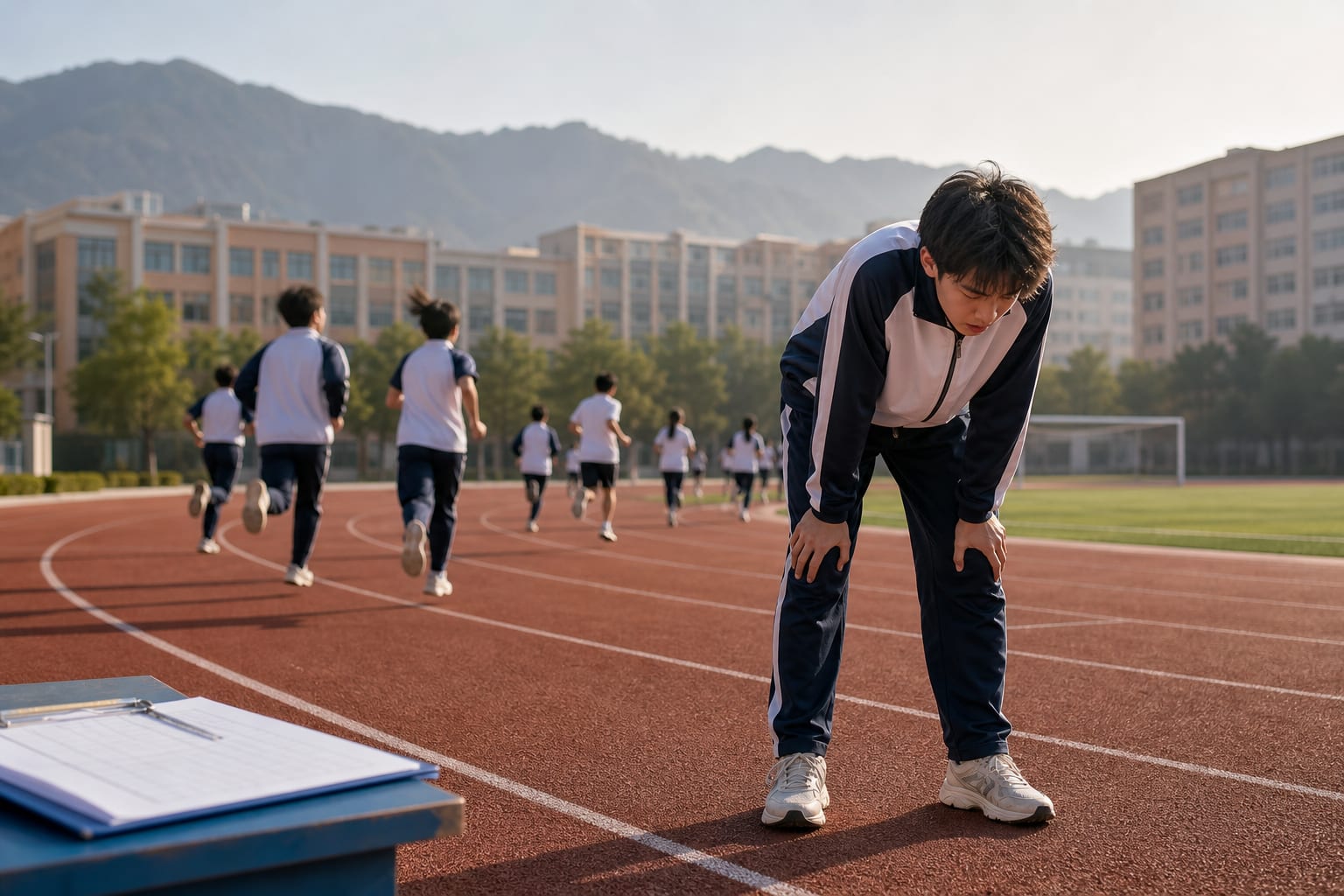
At a Glance

CategoryDetail
ConditionChronic Fatigue Syndrome (CFS)
Key MechanismsPersistent fatigue, low-grade fever, headaches, impaired concentration, memory decline, sleep disturbances, and depression.
Target PopulationSecondary school students in Shaanxi Province, China.
Care SettingEducational institutions and health monitoring environments.

Key Highlights

  • Overall CFS detection rate of 2.059% among students.
  • CFS detection rate higher in females (2.234%) compared to males (1.903%).
  • CFS detection rate increased from 1.012% in grade 7 to 3.728% in cram schools.
  • Weak to moderate negative correlation between CFS severity and physical fitness test scores.
  • Students with CFS exhibited significantly lower running test results compared to control groups.

Guideline-Based Recommendations

Diagnosis

  • Utilize CFS questionnaires for detection among secondary school students.

Management

  • Implement health monitoring for students exhibiting CFS-like symptoms.

Monitoring & Follow-up

  • Regular assessment of physical fitness in relation to CFS symptoms.

Risks

  • Increased risk of sports injuries and reduced athletic performance in students with CFS.

Patient & Prescribing Data

Secondary school students experiencing symptoms of CFS.

Additional attention required for students with CFS in health monitoring and physical fitness assessments.

Clinical Best Practices

  • Conduct regular physical fitness tests to identify students at risk for CFS.
  • Encourage a balanced approach to physical activity for students with chronic fatigue.

Related Resources & Content

Original Source(s)

Related Content