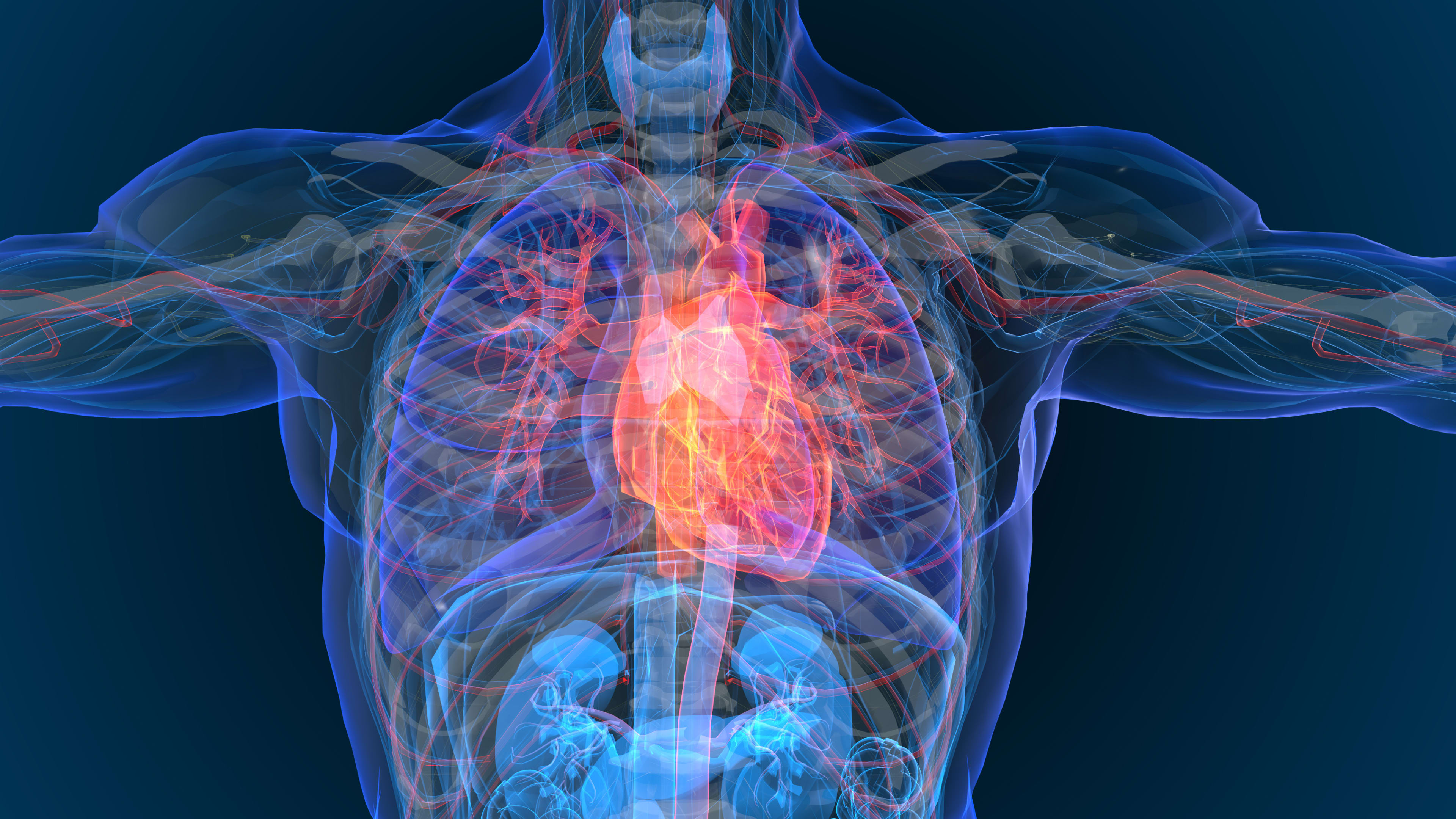
Clinical Scorecard: The Role of CCL17 in Modulating Borrelia burgdorferi Infection in Cardiac Tissue
At a Glance
Category
Detail
Condition
Lyme disease caused by Borrelia burgdorferi infection
Key Mechanisms
CCL17 chemokine modulates immune response and directly interacts with B. burgdorferi, influencing pathogen load and immune cell infiltration in cardiac tissue
Target Population
Individuals at risk of or infected with Lyme disease, particularly with cardiac involvement
Care Setting
Infectious disease and cardiology clinical settings, research laboratories
Key Highlights
CCL17 knockout mice show reduced Borrelia burgdorferi load in the heart compared to controls.
CCL17 influences immune cell recruitment and proinflammatory cytokine levels during infection.
This study is the first to demonstrate direct interaction between CCL17 and a vector-borne pathogen.
Guideline-Based Recommendations
Diagnosis
Use quantitative real-time PCR (qPCR) to assess Borrelia burgdorferi burden in tissues including heart, skin, spleen, and joints.
Management
Antibiotic treatment remains standard for Lyme disease; understanding CCL17’s role may inform future therapeutic targets.
Monitoring & Follow-up
Monitor cardiac involvement in Lyme disease patients due to potential complications such as carditis.
Assess immune response markers including cytokine profiles and immune cell infiltration in research contexts.
Risks
Persistent symptoms may develop despite antibiotic treatment.
Cardiac complications can arise from Borrelia burgdorferi infection.
Patient & Prescribing Data
Patients infected with Borrelia burgdorferi, including those with cardiac manifestations
While antibiotics are effective in most cases, modulation of CCL17 may represent a novel therapeutic avenue to reduce cardiac pathogen load and inflammation.
Clinical Best Practices
Consider cardiac evaluation in Lyme disease patients to detect possible carditis.
Utilize molecular diagnostic tools such as qPCR for accurate detection of Borrelia burgdorferi in tissues.
Recognize the potential role of host chemokines like CCL17 in disease progression and immune response.