Severe West Nile Virus and Severe Acute Respiratory Syndrome Coronavirus 2 Infections in a Patient With Thymoma and Anti–Type I Interferon Antibodies - Scorecard - MDSpire
Advertisement
Severe West Nile Virus and Severe Acute Respiratory Syndrome Coronavirus 2 Infections in a Patient With Thymoma and Anti–Type I Interferon Antibodies
Clinical Scorecard: Critical Infections of West Nile Virus and SARS-CoV-2 in a Thymoma Patient with Anti-Type I Interferon Autoantibodies
At a Glance
Category
Detail
Condition
Severe viral infections caused by West Nile Virus and SARS-CoV-2 in the presence of thymoma and anti-type I interferon autoantibodies
Key Mechanisms
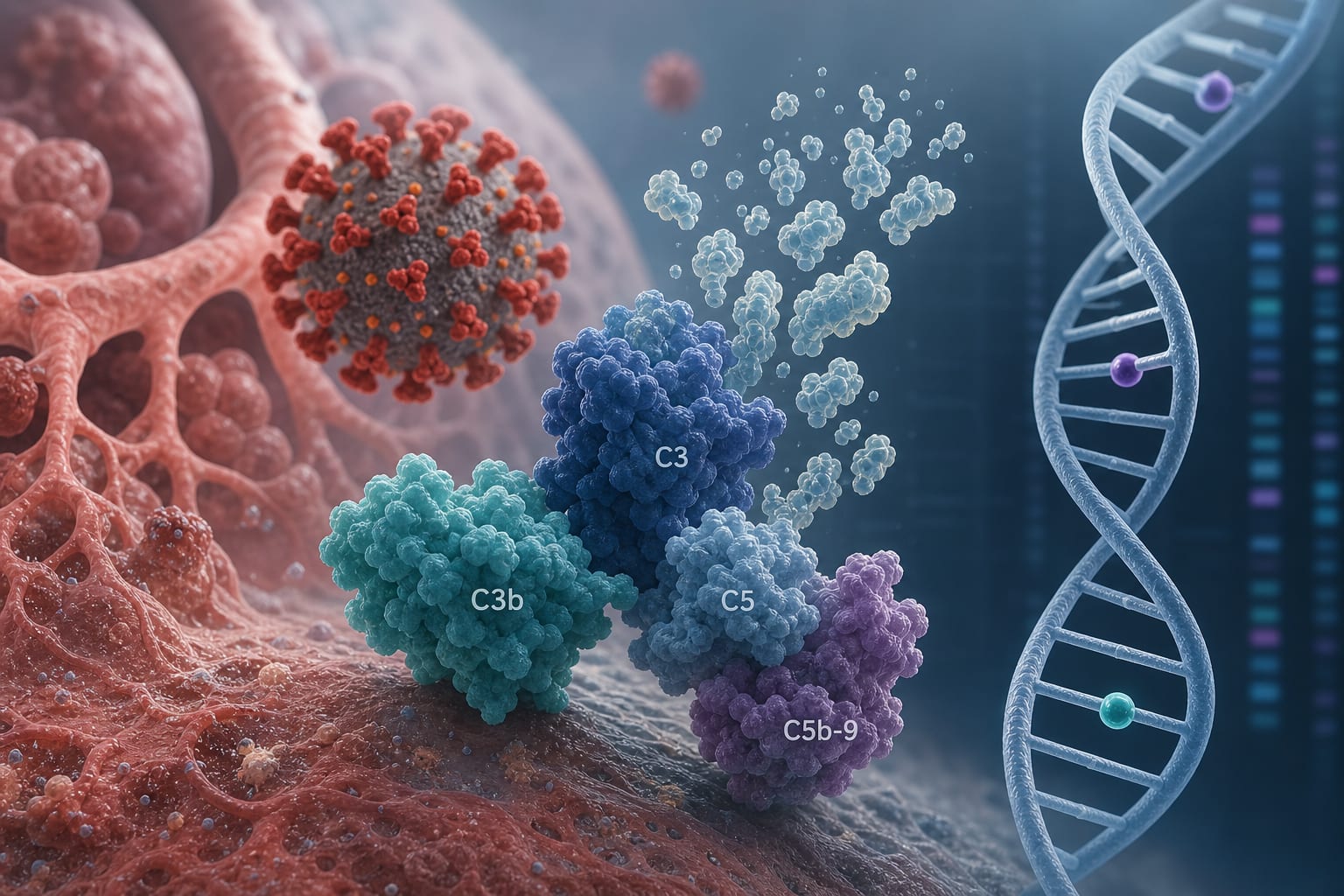
Impaired type I interferon (IFN) antiviral response due to neutralizing autoantibodies against IFN-α and IFN-ω, genetic variants in TLR3 and CCR5 genes, and thymoma-associated autoimmunity
Target Population
Patients with severe COVID-19 or West Nile virus infections, especially those with thymoma or atypical infectious histories
Care Setting
Hospital and specialized immunological/genetic diagnostic centers
Key Highlights
Neutralizing autoantibodies against type I IFNs (IFN-α and IFN-ω) impair antiviral defense and are found in ~60% of thymoma patients and in some severe COVID-19 cases.
Genetic variants such as heterozygous p.Pro554Ser in TLR3 and homozygous CCR5Δ32 deletion increase susceptibility to severe SARS-CoV-2 and West Nile virus infections respectively.
Thymoma can induce production of anti-type I IFN autoantibodies, predisposing patients to life-threatening viral infections.
Guideline-Based Recommendations
Diagnosis
Investigate presence of anti-type I IFN autoantibodies in patients with severe or atypical viral infections, especially if thymoma is suspected or diagnosed.
Perform genetic testing for variants in IFN signaling pathways (e.g., TLR3) and chemokine receptors (e.g., CCR5) in severe viral infection cases.
Use immunological assays such as luciferase immunoprecipitation system to detect neutralizing antibodies against SARS-CoV-2 spike protein and IFNs.
Management
Administer antiviral and immunological therapies aimed at enhancing antiviral responses in patients with confirmed anti-IFN autoantibodies.
Monitor and treat underlying thymoma to potentially reduce autoantibody production and improve immune function.
Consider personalized treatment strategies based on genetic and immunological profiling.
Monitoring & Follow-up
Regularly assess viral load and immune response markers during infection and treatment.
Monitor autoantibody titers against type I IFNs to evaluate risk and response to therapy.
Follow up for potential development or progression of thymoma and related autoimmune conditions.
Risks
Presence of anti-type I IFN autoantibodies significantly increases risk of severe and life-threatening viral infections.
Genetic predispositions such as TLR3 and CCR5 variants contribute to infection severity.
Older age and thymoma are associated with higher prevalence of neutralizing anti-IFN autoantibodies.
Patient & Prescribing Data
Patients with severe COVID-19 or West Nile virus infections, particularly those with thymoma or identified anti-IFN autoantibodies
Therapies enhancing antiviral immunity and targeting underlying thymoma may improve outcomes; genetic and immunological profiling guides personalized treatment.
Clinical Best Practices
Screen for anti-type I IFN autoantibodies in severe viral infections to identify patients at risk of poor outcomes.
Incorporate genetic testing for IFN pathway and chemokine receptor variants in diagnostic workup of severe infections.
Manage thymoma aggressively to reduce autoantibody-mediated immune impairment.
Use combined antiviral and immunomodulatory therapies tailored to patient’s immunogenetic profile.