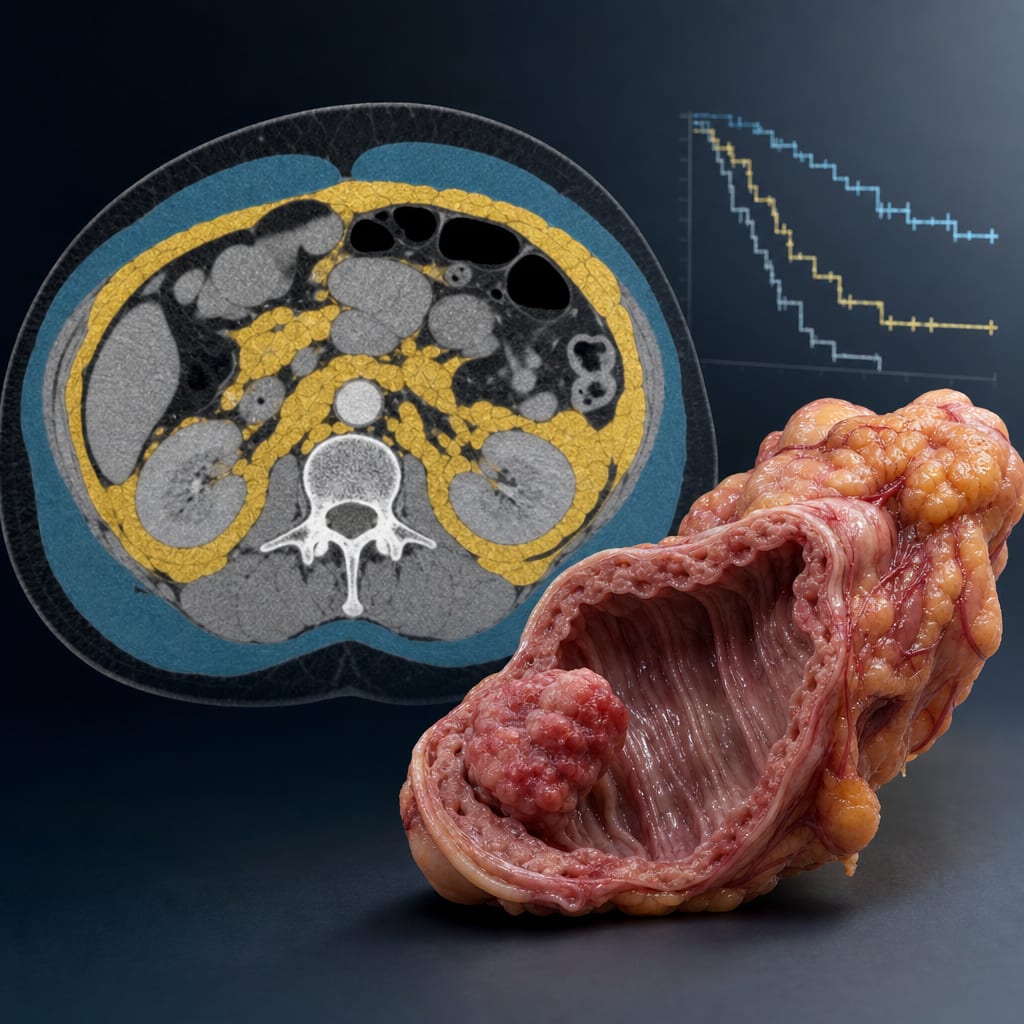
Association of organ dysfunction trajectories and major adverse cardiovascular events using clinical obesity in UK Biobank
-
By
-
Yohwan Lim
-
Su Kyoung Lee
-
May 14, 2026
-
Clinical Scorecard: Linking Trajectories of Organ Dysfunction to Major Adverse Cardiovascular Events in Relation to Clinical Obesity in the UK Biobank
At a Glance
| Category | Detail |
|---|
| Condition | Obesity and its impact on cardiovascular disease |
| Key Mechanisms | Multi-organ dysfunction trajectories associated with major adverse cardiovascular events (MACE) |
| Target Population | UK Biobank participants, 457,675 individuals |
| Care Setting | Prospective cohort study |
Key Highlights
- Clinical obesity shows higher MACE risk compared to BMI-based categories.
- Persistent organ dysfunction is linked to the highest MACE risk.
- 10-year cumulative incidence of MACE is ~24% in clinical obesity.
- BMI categories peak MACE risk in overweight individuals (~20%).
- Organ dysfunction trajectories improve cardiovascular risk stratification.
Guideline-Based Recommendations
Diagnosis
- Utilize clinically defined obesity classifications (no, preclinical, clinical) over BMI alone.
Management
- Incorporate longitudinal assessment of organ dysfunction in obesity management.
Monitoring & Follow-up
- Regularly evaluate organ dysfunction status to assess cardiovascular risk.
Risks
- Monitor for increased MACE risk in individuals with persistent organ dysfunction.
Patient & Prescribing Data
Individuals with obesity and potential organ dysfunction
Focus on managing obesity as a systemic chronic disease with organ health considerations.
Clinical Best Practices
- Adopt a multi-faceted approach to obesity that includes assessment of organ function.
- Use clinical definitions of obesity for better risk stratification in cardiovascular health.
Related Resources & Content