Personal Health Large Language Models and the Negotiation of Medical Authority in Clinical Care: Opportunities, Risks, and Governance - Scorecard - MDSpire
Advertisement
Personal Health Large Language Models and the Negotiation of Medical Authority in Clinical Care: Opportunities, Risks, and Governance
Clinical Scorecard: Navigating Medical Authority in Clinical Practice: The Role of Personal Health Large Language Models and Their Implications for Governance and Risk Management
At a Glance
Category
Detail
Condition
Personal Health Large Language Models (PH-LLMs)
Key Mechanisms
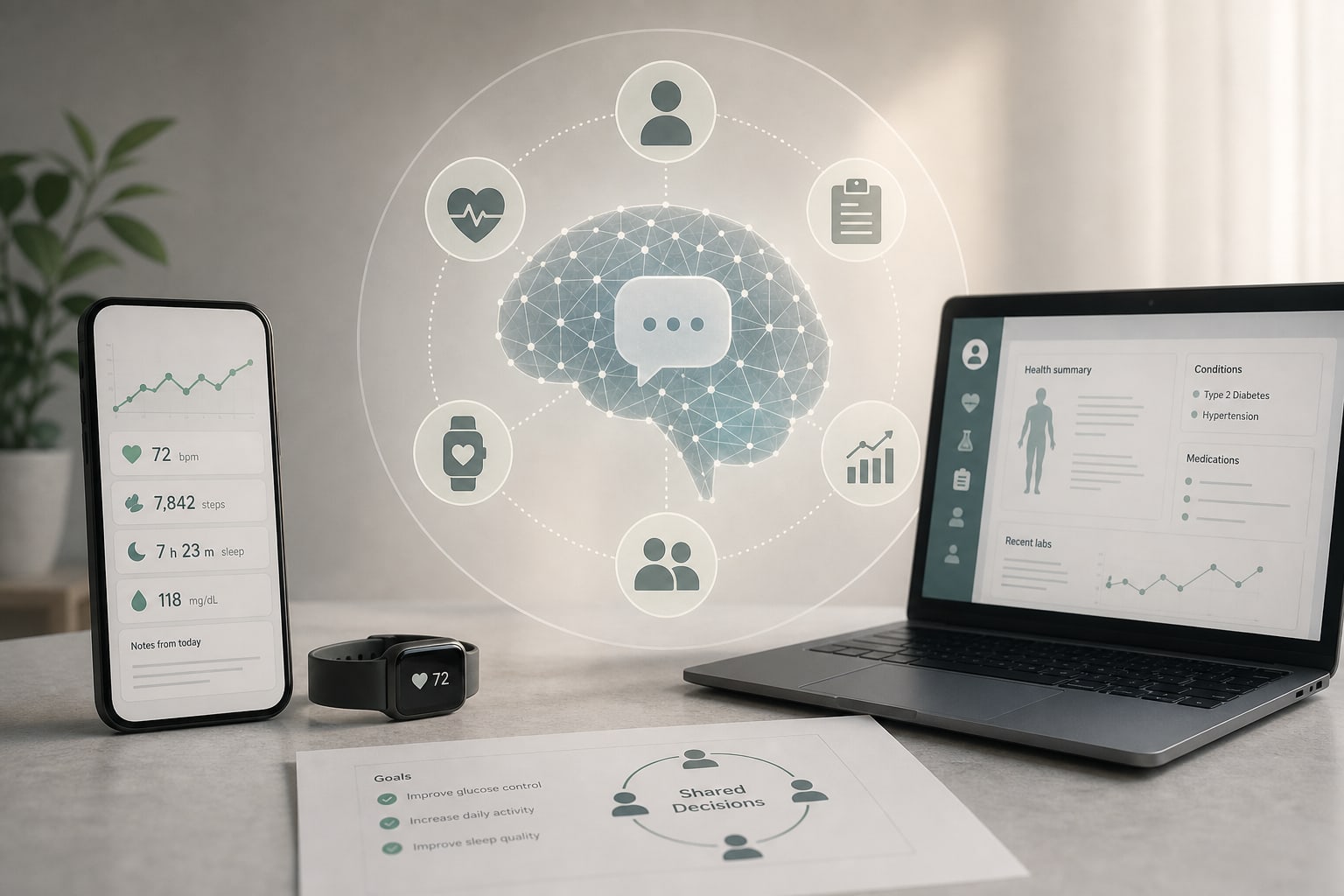
Synthesize user-entered information, patient-generated health data, wearable data, and personal health records into personalized health narratives.
Target Population
Patients using consumer-facing health technology.
Care Setting
Clinical encounters influenced by patient-generated health narratives.
Key Highlights
PH-LLMs differ from traditional EHR-tethered AI by being initiated by patients.
Functions of PH-LLMs range from low-risk health education to higher-risk chronic disease management.
The use of PH-LLMs may shift clinician-patient interactions toward a triadic model of authority.
Guideline-Based Recommendations
Diagnosis
Management
Monitoring & Follow-up
Risks
Epistemic conflict, fragmentation of clinical truth, privacy and data-governance concerns, and diffusion of accountability.
Patient & Prescribing Data
Users of personal health technology and PH-LLMs.
PH-LLMs may influence patient expectations and clinical decisions.
Clinical Best Practices
Establish governance frameworks to ensure safety and accountability in PH-LLM use.
Integrate clinical arbitration and workflow considerations in the deployment of PH-LLMs.
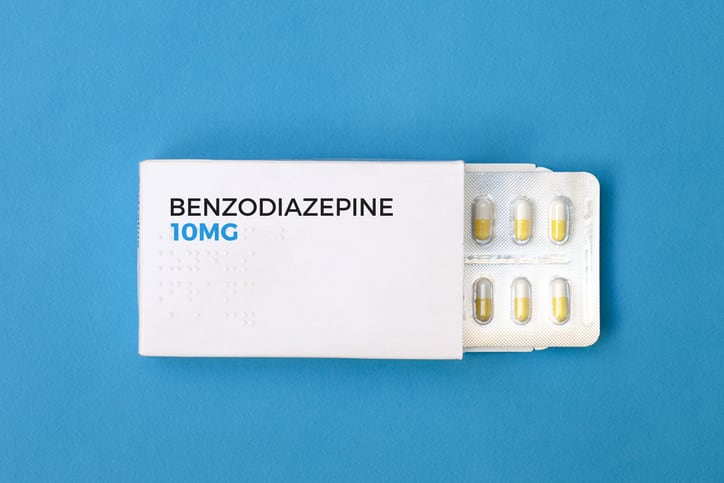
Longer initial prescriptions, use of multiple benzodiazepines, and long-acting agents were associated with delayed discontinuation in a retrospective population-based cohort study.
Updated 2025-2026 vaccination was linked to added protection in a CDC-funded analysis that became part of a broader debate over routine vaccine monitoring.