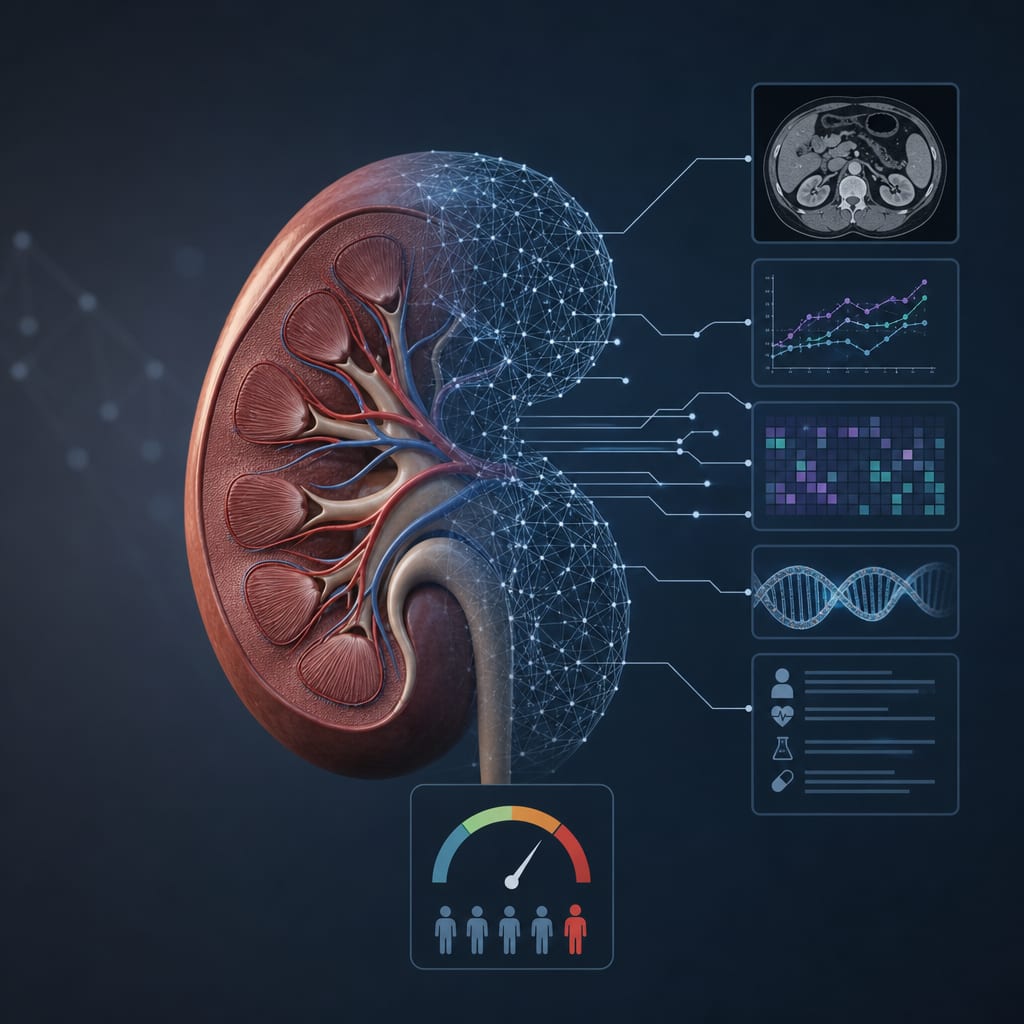
Clinical Scorecard: Artificial Intelligence in Clinical Decision Support: Innovative Uses and Approaches to Overcome Data Management Challenges
At a Glance
Category
Detail
Condition
Key Mechanisms
Utilization of AI and big data analytics for diagnostic accuracy, prognostic estimation, and personalized clinical decisions, including specific applications like machine learning in imaging and natural language processing.
Target Population
Care Setting
Key Highlights
AI-based CDSSs improve diagnostic accuracy and reduce cognitive burden.
Machine learning models outperform traditional methods in clinical settings.
Explainable AI enhances clinician trust and decision-making.
Data access and quality are critical barriers to AI adoption.
Successful implementation requires attention to human factors and workflow integration.
Addressing data access and quality is essential for AI adoption.
Guideline-Based Recommendations
Diagnosis
Utilize AI-driven tools for enhanced diagnostic accuracy and risk stratification.
Management
Incorporate explainable AI methodologies to support clinical decision-making.
Provide training and support for clinicians using AI tools.
Monitoring & Follow-up
Regularly assess the performance and integration of AI tools in clinical workflows.
Risks
Address potential biases and ethical concerns in AI predictions.
Patient & Prescribing Data
Patients across various medical conditions, including oncology and organ transplantation.
AI supports personalized treatment selection and follow-up scheduling.
Clinical Best Practices
Ensure transparency and usability in AI tools to foster clinician trust.
Focus on real-world implementation and integration of AI systems.
Develop hybrid data ecosystems to enhance data accessibility and quality.
Address ethical concerns and biases in AI implementation.