Roswell Park-Led Study Shows Promise for New Targeted Combination in People With Relapsed AML
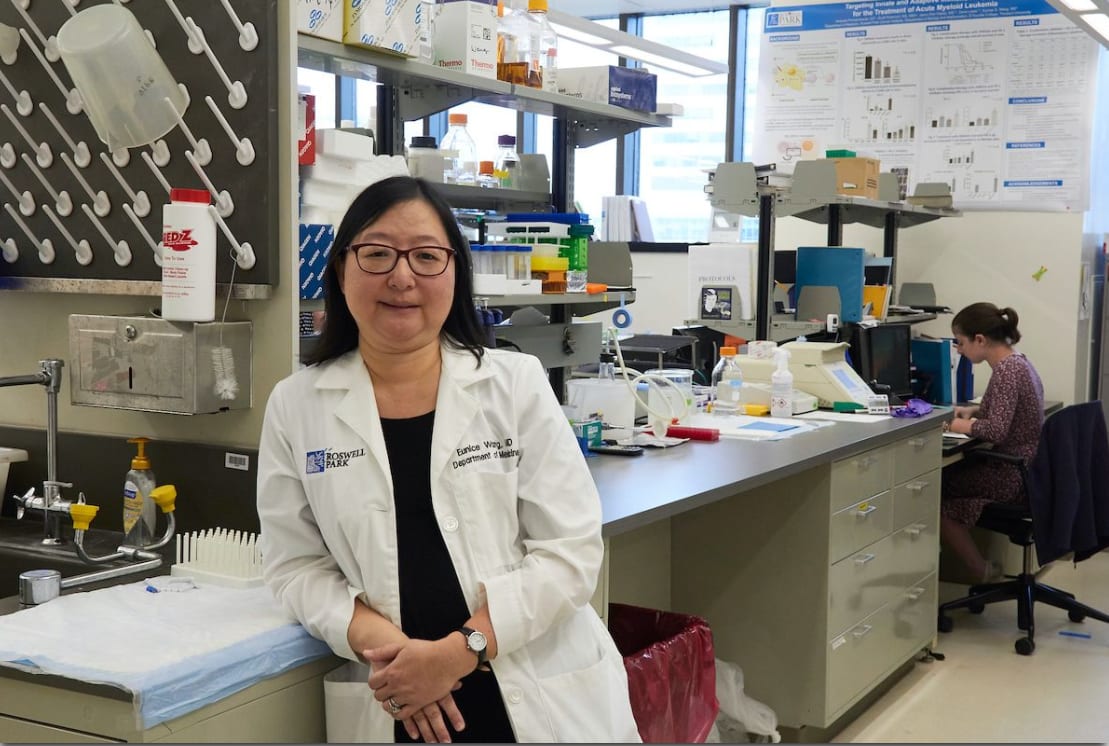
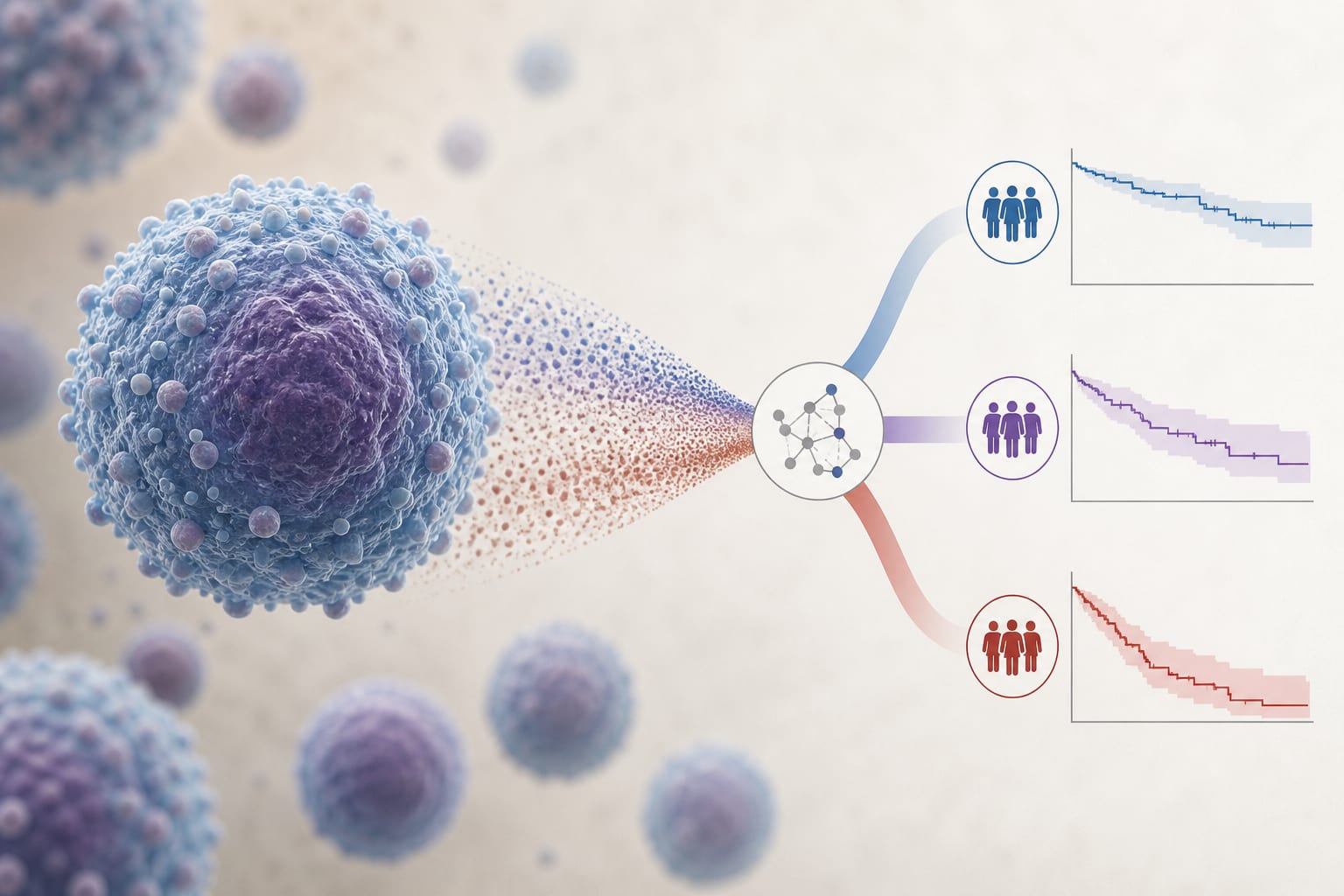
New research co-led by a Roswell Park Comprehensive Cancer Center leukemia expert highlights a promising investigational treatment approach using the targeted therapy ziftomenib for patients with a difficult-to-treat form of acute myeloid leukemia (AML).
Clinical Scorecard: Roswell Park-Led Study Shows Promise for New Targeted Combination in People With Relapsed AML
At a Glance
Category Detail
Condition Acute Myeloid Leukemia (AML) Key Mechanisms Combination therapy using ziftomenib, venetoclax, and azacitidine. Target Population Patients with relapsed or refractory NPM1-mutated AML. Care Setting Clinical trial setting.
Key Highlights
Nearly 90% response rate in previously untreated patients. 70% achieved complete or near-complete remission. Responses occurred quickly, within about four weeks. Treatment was generally well tolerated with low rates of serious side effects. Study published in the journal Blood. Guideline-Based Recommendations
Diagnosis
Focus on patients with NPM1-mutated AML. Management
Ziftomenib in combination with venetoclax and azacitidine remains investigational for relapsed AML. Monitoring & Follow-up
Monitor for response rates and side effects during treatment. Risks
Limited treatment options for aggressive leukemia. Patient & Prescribing Data
Patients with relapsed or refractory AML.
Ziftomenib is approved as a single agent; combination therapy remains investigational.
Clinical Best Practices
Utilize highly sensitive testing to detect measurable cancer cells. Support ongoing studies of ziftomenib in combination therapies. Related Resources & Content