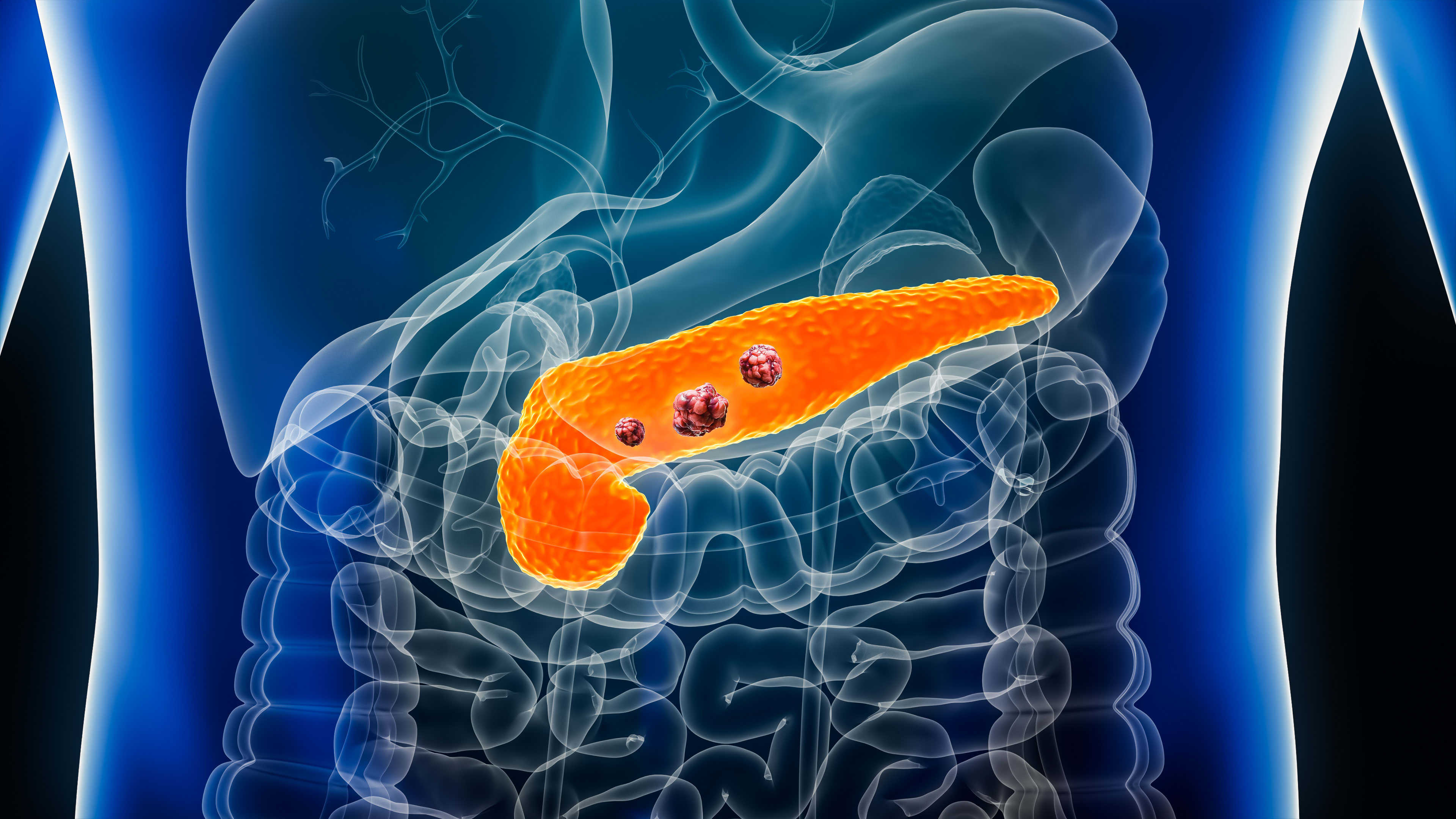
Surgical resection is recommended for most patients with GEP-NEN according to national and international guidelines.
Postoperative complications vary by tumor location; pancreatic fistula is most common after pancreatic surgery, while hemorrhage and bowel obstruction are frequent after small intestine tumor resections.
Complication rates reported range from 5–35%, with severity graded by the Dindo-Clavien classification.
Guideline-Based Recommendations
Diagnosis
Diagnosis based on microscopy and immunohistochemical staining per defined criteria.
Preoperative diagnostic examinations should follow ENETS guidelines.
Tumors graded according to WHO 2017 criteria using mitotic and Ki67 indices and cell differentiation.
Management
Surgical procedures indicated and performed according to local standards and tumor characteristics.
Consideration of other therapies such as peptide receptor radionuclide therapy, hormonal therapy, and chemotherapy in treatment algorithms.
Balance treatment benefits against potential side effects, especially in patients with G1 tumors who may have prolonged survival without treatment.
Monitoring & Follow-up
Complications should be recorded and graded using the Dindo-Clavien classification.
Perioperative risk stratification and additional examinations performed at treating center discretion.
Risks
Higher risk of pancreatic fistula after enucleations compared to pancreatic resections.
Common complications include hemorrhage, small bowel obstruction, and local infections depending on tumor location.
Complication rates vary by tumor localization and type of surgery.
Patient & Prescribing Data
376 patients undergoing surgery for GEP-NEN from 23 centers across 9 European countries.
Majority had small intestine or pancreatic tumors; tumor grading and staging data available for most; functioning tumors present in 23.1%.
Clinical Best Practices
Use standardized grading and staging systems (WHO 2017) for tumor classification.
Employ comprehensive preoperative diagnostics following ENETS guidelines.
Record and classify surgical complications systematically using Dindo-Clavien classification.
Tailor surgical approach based on tumor location and patient risk factors to minimize complications.
Balance surgical intervention benefits with potential morbidity, especially in low-grade tumors.
In the phase 3 PANOVA-3 trial, adding Tumor Treating Fields therapy to gemcitabine and nab-paclitaxel was associated with improved overall survival and delayed pain progression in adults with locally advanced pancreatic cancer.