Obesity Care Lags Behind Advances in Treatment
A 2026 expert perspective highlights system-level gaps in care delivery
By
Kerri Miller
March 20, 2026
Clinical Scorecard: Obesity Care Lags Behind Advances in Treatment
At a Glance
Category Detail
Condition Obesity as a chronic, heterogeneous disease Key Mechanisms Biological drivers including gut hormones and central nervous system pathways Target Population People living with obesity, including those with varying disease severity and complications Care Setting Health systems with current fragmented, short-term care pathways
Key Highlights
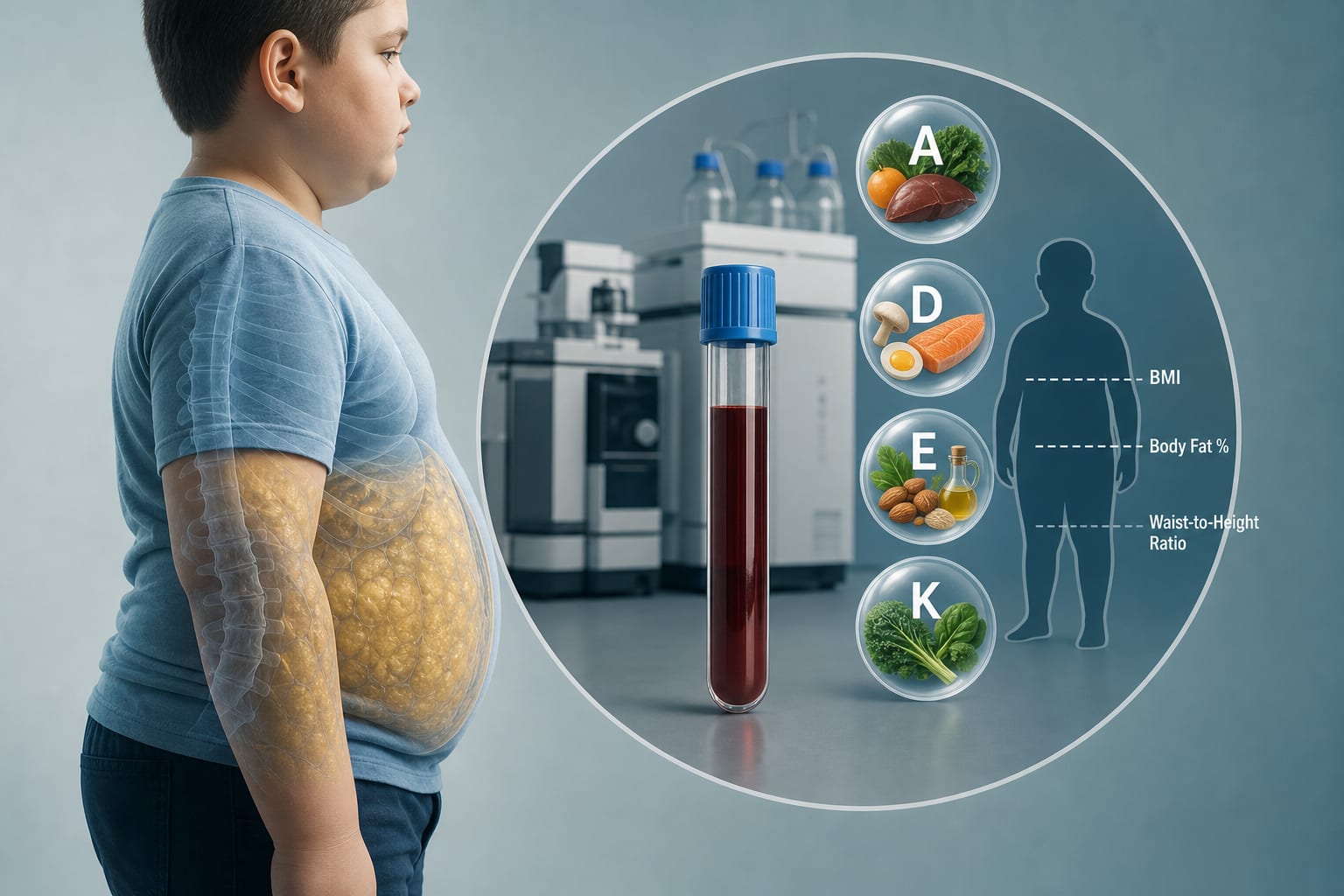
88% of people with obesity experience stigma impacting care delivery and receipt Current reliance on BMI and underuse of staging systems limit effective diagnosis and management Treatment options have expanded but access remains limited and care is often short-term Guideline-Based Recommendations
Diagnosis
Move beyond BMI as the primary diagnostic tool Incorporate staging systems like the Edmonton Obesity Staging System to capture disease severity Management
Adopt individualized treatment targets based on complications, risk profiles, and disease stage Manage obesity as a chronic disease focusing on long-term outcomes and related complications Expand access to pharmacotherapy, surgery, and intensive lifestyle interventions Monitoring & Follow-up
Use staging systems to predict outcomes independently of BMI Monitor treatment progress beyond weight loss alone Risks
Persistent stigma within healthcare settings affecting policy and practice Fragmented and short-term care pathways that do not reflect obesity’s chronic nature Patient & Prescribing Data
Eligible patients for pharmacotherapy, surgery, and intensive lifestyle interventions
Only a small proportion of eligible patients currently receive available therapies despite expanded options
Clinical Best Practices
Recognize and address stigma to improve patient engagement and care quality Implement long-term, individualized management plans for obesity Utilize emerging tools such as machine learning-based phenotyping when integrated into clinical workflows Set treatment goals tailored to individual patient profiles rather than uniform weight loss targets References