Sociodemographic determinants of intertrochanteric hip fractures in older adults: Evidence from a six-year retrospective study in an Ecuadorian hospital - Scorecard - MDSpire

Sociodemographic determinants of intertrochanteric hip fractures in older adults: Evidence from a six-year retrospective study in an Ecuadorian hospital

  • By

  • Miranda, Kevin Steven

  • Calderon, Lilian Rebeca

  • Piedra Andrade, Jefferson Santiago

  • Ochoa, Miguel Jacob

  • March 4, 2026

  • 0 min

Share

Clinical Scorecard: Sociodemographic Factors Influencing Intertrochanteric Hip Fractures in Elderly Patients: Findings from a Six-Year Retrospective Analysis at an Ecuadorian Medical Facility

At a Glance

CategoryDetail
ConditionIntertrochanteric hip fractures in elderly patients
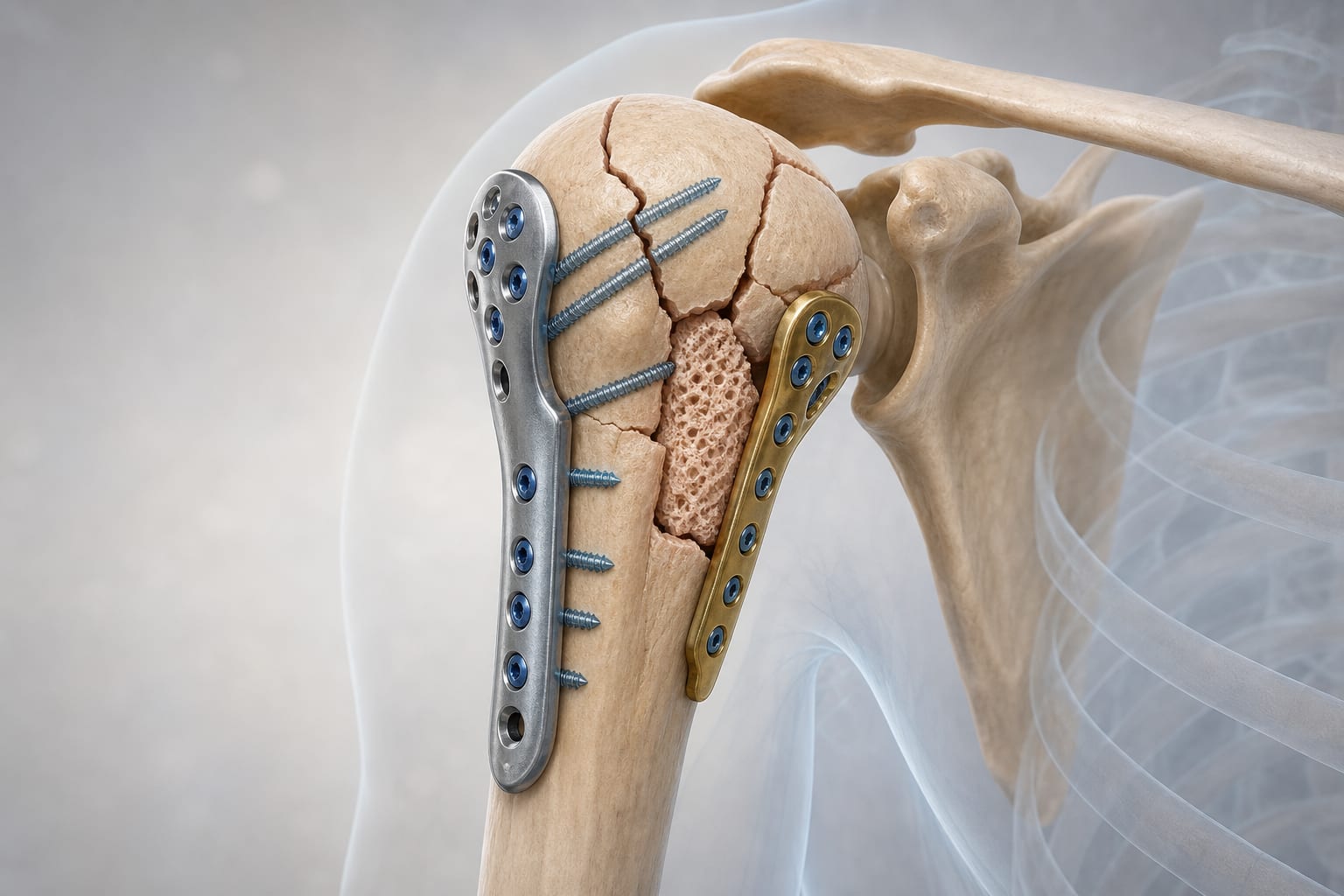
Key MechanismsLow-energy falls from standing height causing predominantly unstable Tronzo pattern fractures
Target PopulationPatients aged 65 years and older, predominantly women and oldest-old subgroup
Care SettingReferral medical center with surgical treatment capabilities

Key Highlights

  • Majority of patients were women (65.7%) and half were in the oldest-old subgroup (≥85 years).
  • Unstable Tronzo pattern fractures accounted for 67.1% of cases.
  • Cephalomedullary nailing was the primary surgical treatment used in approximately 88% of patients.

Guideline-Based Recommendations

Diagnosis

  • Identify intertrochanteric fractures primarily caused by low-energy falls in elderly patients.
  • Classify fracture patterns, emphasizing recognition of unstable Tronzo types.

Management

  • Employ cephalomedullary nailing as the preferred surgical intervention for unstable intertrochanteric fractures.
  • Aim to optimize preoperative timelines to reduce hospital stay and improve outcomes.

Monitoring & Follow-up

  • Monitor patients for postoperative complications and functional recovery during hospital stay.
  • Track in-hospital mortality, which is generally low (2.3%).

Risks

  • Recognize increased morbidity and functional dependence associated with intertrochanteric fractures in older adults.
  • Address risks related to delayed surgery and prolonged preoperative hospital stay.

Patient & Prescribing Data

Elderly patients aged 65 years and older with intertrochanteric hip fractures

Cephalomedullary nailing is the predominant surgical treatment with favorable in-hospital mortality outcomes.

Clinical Best Practices

  • Prioritize early surgical intervention to minimize preoperative hospital stay (median 5 days).
  • Implement preventive strategies targeting fall risk reduction in older adults.
  • Focus on comprehensive care to address morbidity and functional dependence post-fracture.

References

Original Source(s)

Related Content