Accidental intravitreal injection of a veterinary inactivated FMD vaccine resulting in noninfectious intraocular inflammation: a case report - Scorecard - MDSpire
Conexiant’s news site is now MDSpire News. Learn more
Advertisement
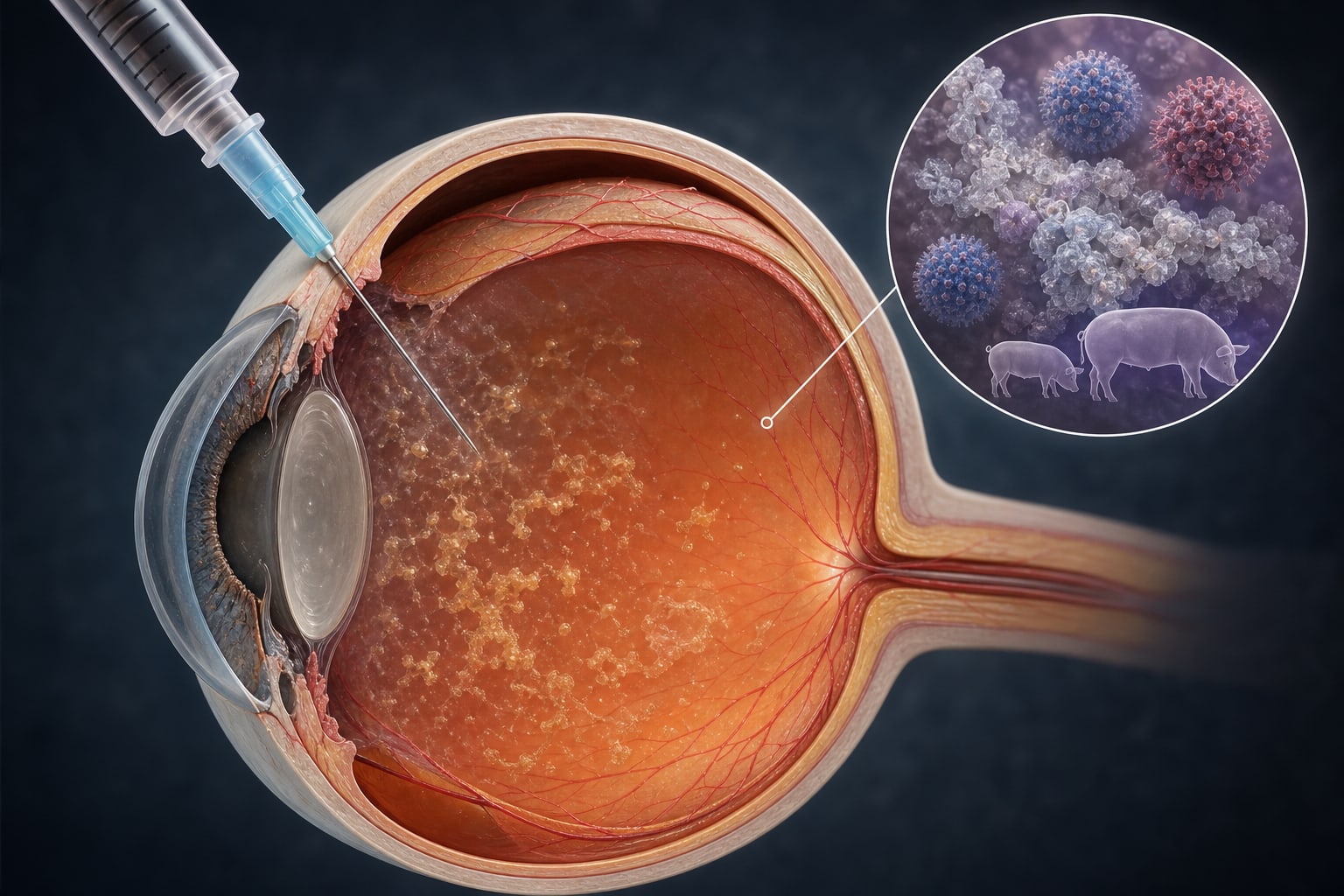
Unintentional Intravitreal Administration of a Veterinary Inactivated Foot-and-Mouth Disease Vaccine Leading to Noninfectious Intraocular Inflammation: A Case Study
Clinical Scorecard: Unintentional Intravitreal Administration of a Veterinary Inactivated Foot-and-Mouth Disease Vaccine Leading to Noninfectious Intraocular Inflammation: A Case Study
At a Glance
Category
Detail
Condition
Key Mechanisms
Immune inflammatory response triggered by components of the bivalent inactivated FMD vaccine.
Target Population
Care Setting
Key Highlights
Accidental injection of a veterinary vaccine led to severe intraocular inflammation.
Patient presented with symptoms including redness and blurred vision after injection.
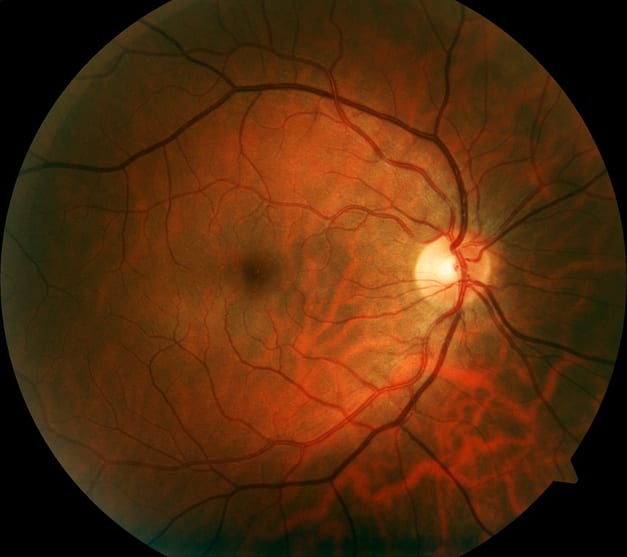
Diagnostic imaging revealed intraocular foreign body and significant retinal changes.
Surgical intervention included vitrectomy and removal of the injected material.
Guideline-Based Recommendations
Diagnosis
Evaluate for penetrating eye injury and intraocular foreign body.
Utilize imaging techniques such as B-scan ultrasonography and angiography.
Management
Initiate topical antibiotics and intraocular pressure-lowering therapies.
Consider surgical intervention if no improvement is observed.
Monitoring & Follow-up
Regular follow-up to assess visual acuity and intraocular pressure.
Monitor for signs of infection or further complications post-surgery.
Risks
Potential for irreversible vision loss due to intraocular inflammation.
Complications such as secondary glaucoma and retinal detachment.
Patient & Prescribing Data
Postoperative care includes antibiotics for infection prophylaxis.
Clinical Best Practices
Ensure strict adherence to guidelines prohibiting human use of veterinary vaccines.
Educate healthcare providers on the risks of accidental exposure to veterinary biological agents.