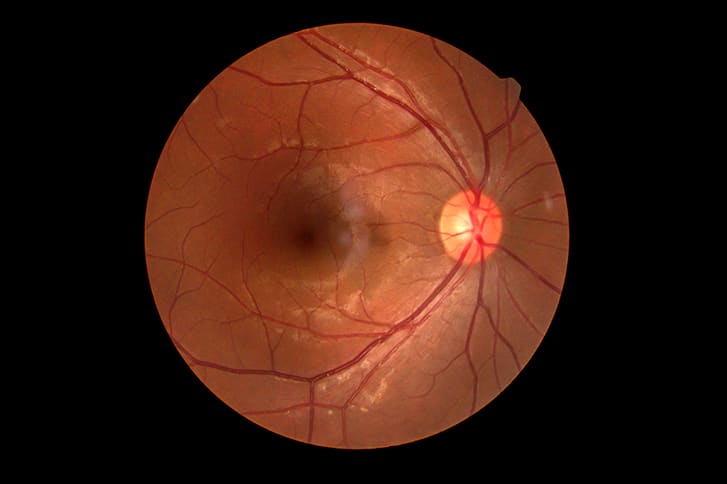
Retinal Imaging and OCT Observations in Children Exposed to Opioid Maintenance Therapy During Pregnancy
By
Olav H. Haugen
John-Thomas Michelet
Anne Kathinka Aslaksen
Gro Horgen
Jon Skranes
November 13, 2025
Clinical Scorecard: Retinal Imaging and OCT Observations in Children Exposed to Opioid Maintenance Therapy During Pregnancy
At a Glance
Category Detail
Condition Prenatal exposure to opioid maintenance therapy (OMT) Key Mechanisms Impact on retinal structure and visual function due to maternal opioid exposure Target Population Children aged 5-13 years prenatally exposed to OMT Care Setting Ophthalmology clinics in Norway
Key Highlights
Increased prevalence of strabismus and nystagmus in OMT-exposed children Reduced visual acuity and lower accommodation amplitude compared to controls Thinning of the peripapillary retinal nerve fiber layer (RNFL) observed in OMT-exposed children Higher frequency of motor problems and visual-motor integration issues in OMT-exposed children Reduced brain structure volumes on MRI in OMT-exposed children Guideline-Based Recommendations
Diagnosis
Utilize OCT for assessing retinal structure in children with prenatal OMT exposure Management
Monitor visual and motor functions in children exposed to OMT during pregnancy Monitoring & Follow-up
Regular ophthalmic examinations to assess retinal health and visual acuity Risks
Potential for structural changes in the retina and associated visual impairments Patient & Prescribing Data
Children aged 5-13 years with prenatal exposure to OMT
Focus on early detection and management of visual and motor issues
Clinical Best Practices
Conduct comprehensive ocular examinations in children with prenatal OMT exposure Implement OCT as a standard diagnostic tool for evaluating retinal changes Collaborate with multidisciplinary teams for holistic management of affected children Related Resources & Content