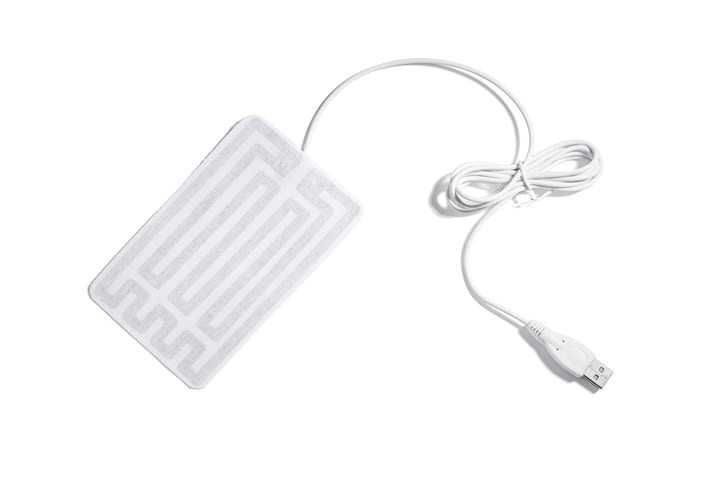
USB-powered warm compresses improve tear stability
-
By
-
Andrea Surnit
-
November 12, 2026
-
4 min
Clinical Scorecard: USB-powered warm compresses improve tear stability
At a Glance
| Category | Detail |
|---|---|
| Condition | Clinical topic addressed by the source article: USB-powered warm compresses improve tear stability |
| Key Mechanisms | The USB-powered device allows temperature adjustment and continuous heating; the disposable mask generates heat through a chemical reaction. Investigators proposed that sustained, adjustable heat may explain the observed differences, but eyelid temperatures were not measured. |
| Target Population | Population described in the source article. |
| Care Setting | Care setting described in the source article. |
Key Highlights
- In a randomized crossover trial of 15 adults, both treatments were used for 10 minutes daily over 5 days, with a 2-week washout before crossover.
- Mean tear breakup time increased from 7.2 to 9.5 seconds with the USB-powered compress and from 7.3 to 7.9 seconds with the disposable mask; the Day 5 between-device difference was statistically significant.
- Mean tear meniscus height increased from 0.16 to 0.28 mm with the USB-powered compress and from 0.16 to 0.22 mm with the disposable mask; the between-device difference was statistically significant.
- SPEED symptom scores improved modestly with both devices, with no statistically significant between-device difference.
- Visual acuity remained stable and no adverse events were reported during the short, supervised trial.
Guideline-Based Recommendations
Diagnosis
- Trial eligibility required an Ocular Surface Disease Index score of at least 13 and noninvasive tear breakup time of 10 seconds or less in at least one eye.
Management
- The study compared a USB-powered warm compress with a disposable self-heating mask, each used for 10 minutes daily for 5 consecutive days; it does not establish a general treatment recommendation.
Monitoring & Follow-up
- The primary outcome was noninvasive tear breakup time measured with the OCULUS Keratograph 4M.
- Secondary outcomes included tear meniscus height, visual acuity, and SPEED questionnaire scores.
Risks
- No adverse events were reported during the intervention phases.
- Long-term effectiveness and whether changes in tear measurements translate into lasting, meaningful symptom benefits remain uncertain.
Patient & Prescribing Data
Participants received each device for 10 minutes daily over 5 days under supervision. Qualitative feedback indicated a preference for the USB-powered device because of consistent warmth and ease of reactivation; at-home adherence was not assessed.
Clinical Best Practices
- Interpret the findings in light of the small sample, single-center design, short treatment periods, and young study population.
- The investigators did not measure eyelid surface temperatures or assess meibography and other structural or biochemical changes.
- The trial was registered after recruitment began, and enrollment of 15 participants was below the originally planned recruitment of up to 50.
- The article reports that the corresponding author confirmed Table 1 values after reviewing raw data because the published abstract reported different Day 5 measurements.
Related Resources & Content
Based on findings from:
USB-powered warm compresses improve tear stability
Andrea Surnit. MDSpire News, 2026.
https://news.mdspire.com/optometry/articles/usbpowered-warm-compresses-improve-tear-stability/
This content is an AI-generated, fully rewritten summary based on a published scholarly article. It does not reproduce the original text and is not a substitute for the original publication. Readers are encouraged to consult the source for full context, data, and methodology.