Clinical Scorecard: Assessment of a Keratoconus Management Program Led by Allied Health Professionals at a Tertiary Care Facility in the UK
At a Glance
Category
Detail
Condition
Key Mechanisms
Multifactorial aetiology with mechanical breakdown of collagen bonds due to eye rubbing; management includes monitoring, refractive correction, rigid gas-permeable lenses, and corneal transplantation.
Target Population
Care Setting
Key Highlights
Keratoconus is characterized by bilateral, often asymmetric corneal ectasia.
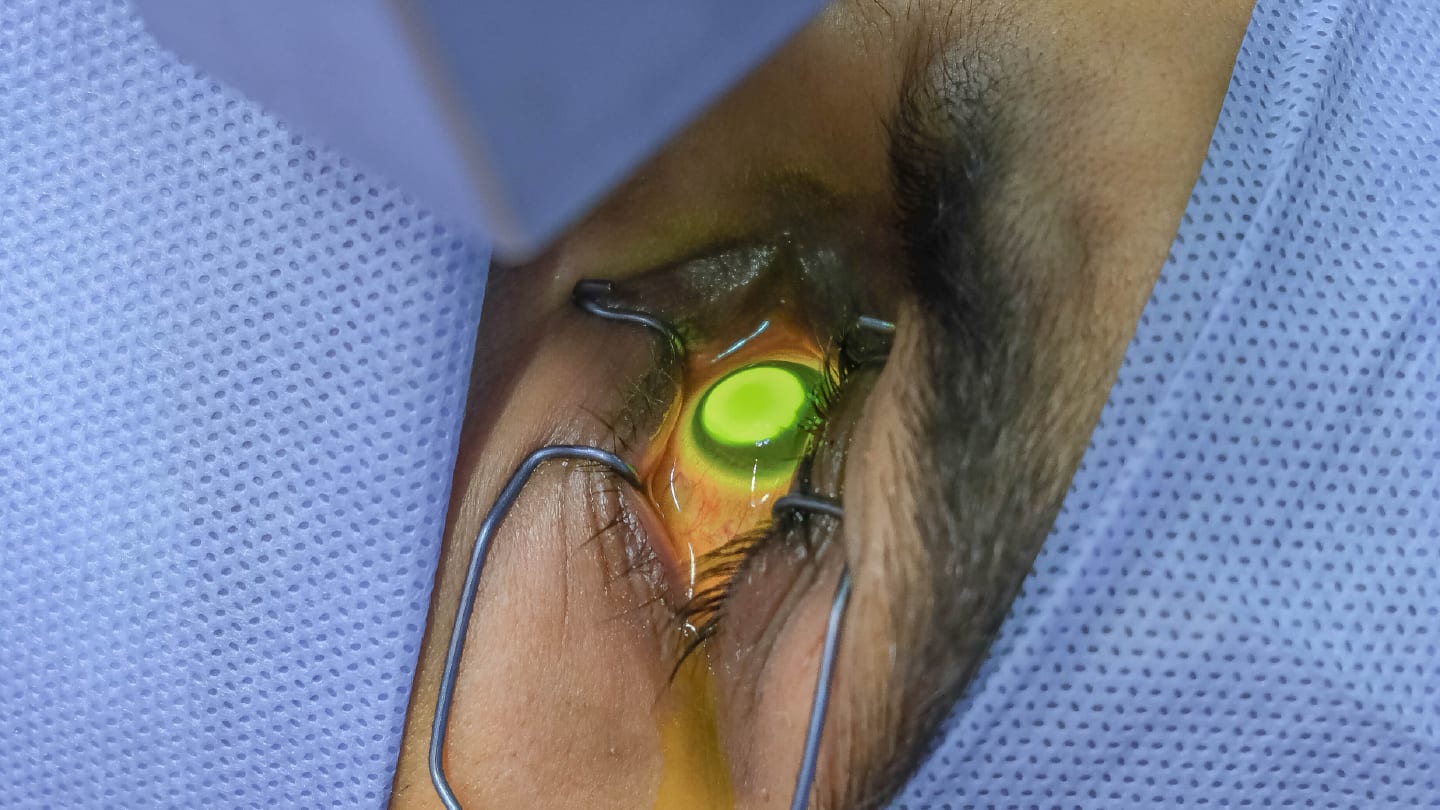
Collagen cross-linking (CXL) is the only treatment that can slow or halt disease progression.
Allied health professionals (AHPs) are utilized for specialized tasks in keratoconus management, including patient assessment and follow-up.
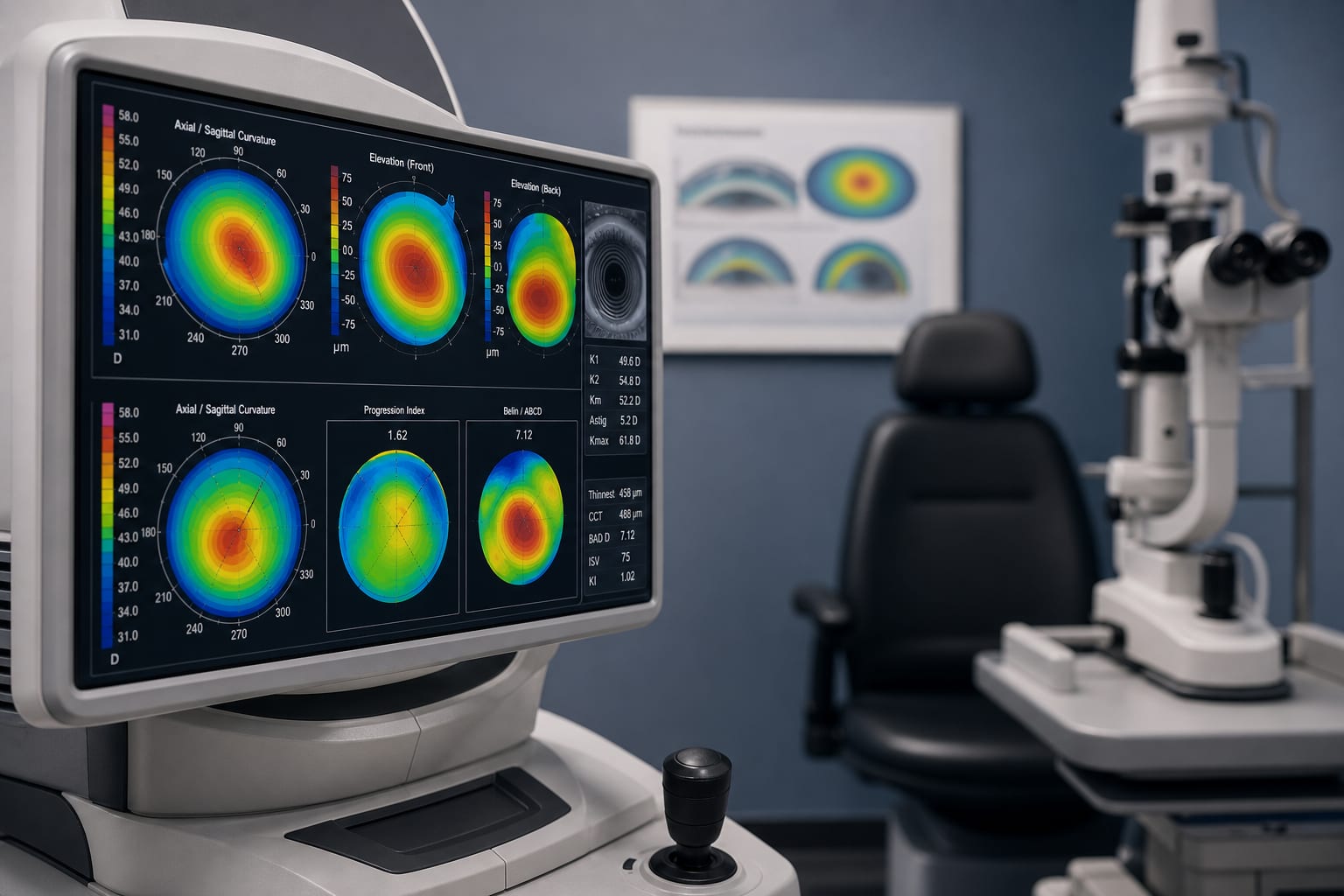
Monitoring includes corneal topography, visual acuity, and refractive error.
Patients are monitored for a minimum of 5 years post-CXL.
Guideline-Based Recommendations
Diagnosis
Management
Early keratoconus managed with glasses; severe cases may require corneal transplantation, including DALK or PKP.
Monitoring & Follow-up
Risks
Patient & Prescribing Data
CXL performed using an accelerated protocol; post-operative medications include prednisolone acetate and levofloxacin, with implications for recovery and monitoring.
Clinical Best Practices
Utilize AHPs for patient assessment and management under consultant supervision.
Follow a standardized protocol for CXL and patient monitoring.
Ensure regular communication between AHPs and consultant ophthalmologists to enhance patient care.