Gout May Signal Higher Stroke Risk in AF
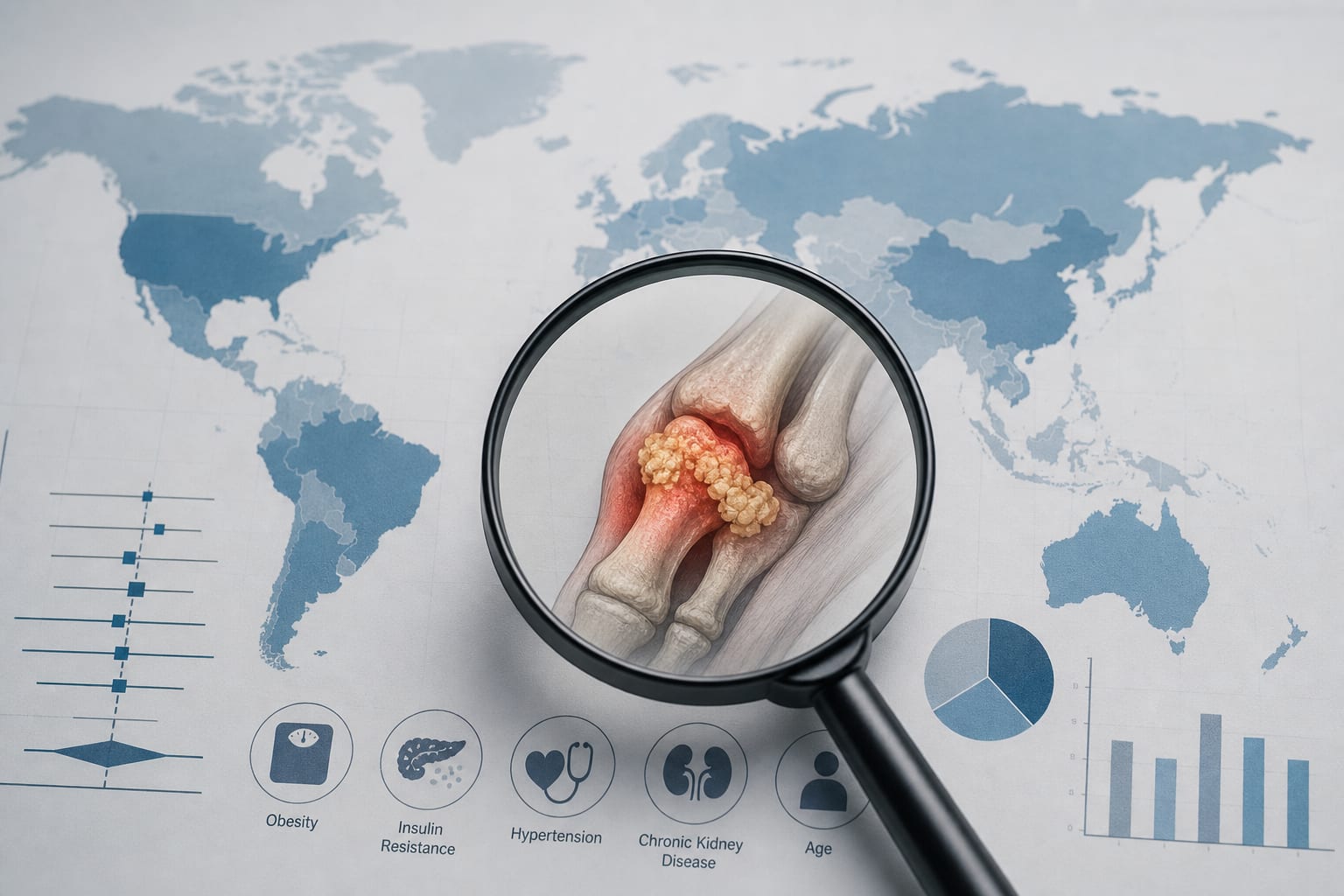
In a nationwide Finnish cohort, patients with atrial fibrillation and gout had higher ischemic stroke rates, while urate-lowering therapy was associated with lower stroke rates.
By
Andrea Surnit
June 26, 2026
Clinical Scorecard: Gout May Signal Higher Stroke Risk in AF
At a Glance
Category Detail
Condition Atrial Fibrillation with Gout Key Mechanisms Higher ischemic stroke risk associated with gout in patients with atrial fibrillation. Target Population Patients with new-onset atrial fibrillation and a history of gout. Care Setting Nationwide cohort study using the Finnish Anticoagulation in Atrial Fibrillation (FinACAF) registry.
Key Highlights
Patients with gout had a 12% higher rate of ischemic stroke than those without gout. During non-anticoagulation periods, gout was associated with a 26% higher stroke rate. Urate-lowering therapy was linked to a 30% lower stroke rate among patients with gout. Guideline-Based Recommendations
Diagnosis
Consider gout in addition to conventional risk scores for stroke risk stratification. Management
Support for guideline-recommended urate-lowering therapy for gout. Monitoring & Follow-up
Monitor stroke rates in patients with gout and atrial fibrillation. Risks
Patients with gout frequently have comorbidities that increase stroke risk. Patient & Prescribing Data
Patients with atrial fibrillation and a history of gout.
Urate-lowering therapy may reduce stroke rates in this population.
Clinical Best Practices
Assess cardiovascular and metabolic comorbidities in patients with gout and atrial fibrillation. Evaluate the need for urate-lowering therapy in patients with gout. Related Resources & Content