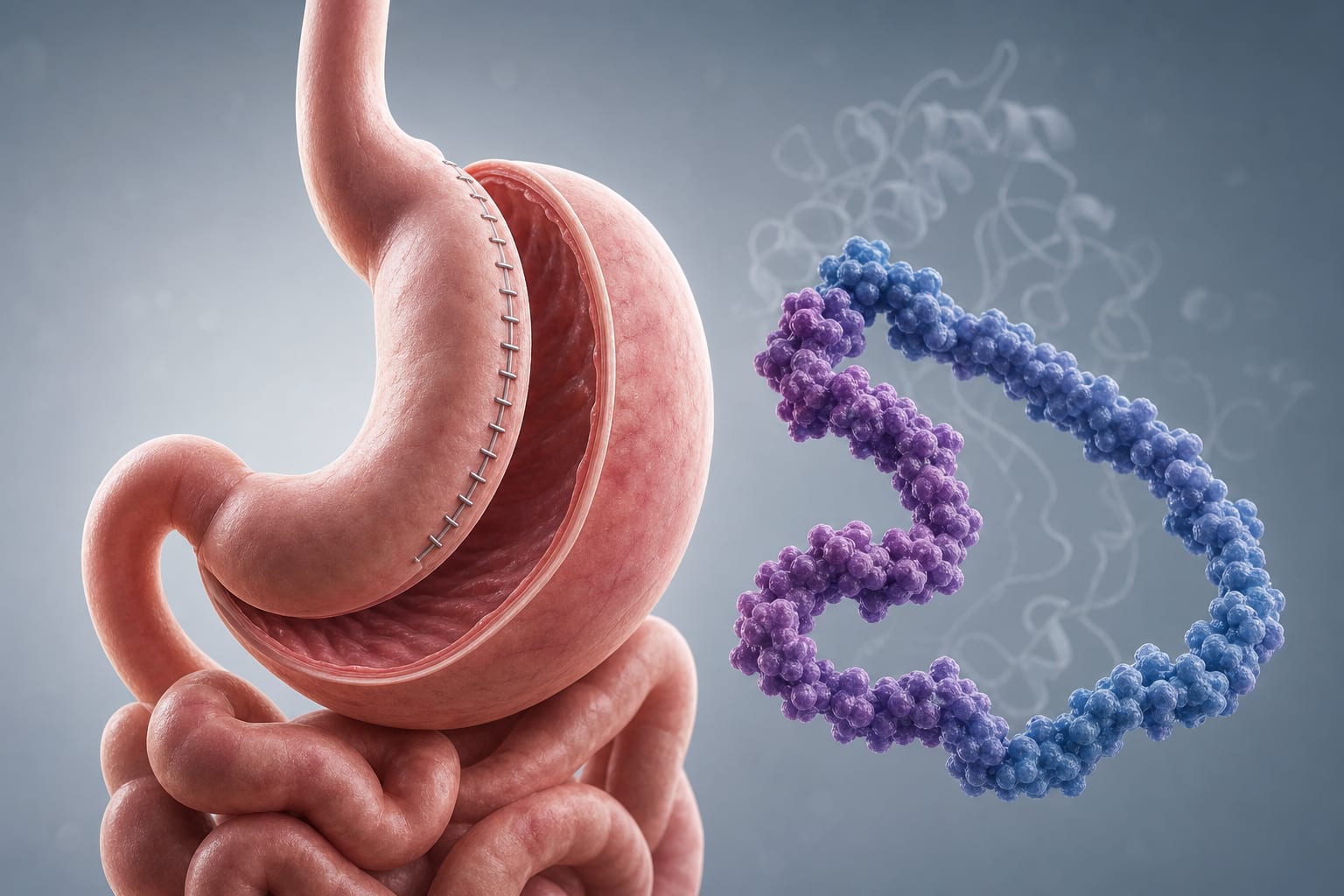
Clinical Scorecard: Special Series eBook: GLP-1 Analysis
At a Glance
Category
Detail
Condition
Diabetes, obesity, and related metabolic disorders
Key Mechanisms
GLP-1 receptor agonists modulate glucose metabolism and appetite regulation
Target Population
Patients with diabetes, obesity, and potentially other metabolic conditions
Care Setting
Clinical and research laboratories, pharmaceutical development, and therapeutic monitoring
Key Highlights
Recent advances in GLP-1 analysis include novel mass spectrometry workflows for tracking therapeutics like semaglutide and liraglutide.
Rapid commercial success of GLP-1 drugs is driving innovation in peptide design and creating new analytical challenges such as impurity profiling and structural characterization.
Separation science techniques are evolving to support next-generation GLP-1 therapeutics and ensure quality control.
Guideline-Based Recommendations
Diagnosis
Utilize advanced analytical methods to detect endogenous GLP-1 and differentiate therapeutic peptides.
Management
Apply mass spectrometry and separation science for monitoring GLP-1 receptor agonist levels in whole blood.
Implement impurity profiling and lifecycle control to maintain drug safety and efficacy.
Monitoring & Follow-up
Regular analytical assessment of GLP-1 peptide therapeutics to detect counterfeit products and ensure quality.
Risks
Potential challenges include managing impurities and structural variations in peptide therapeutics.
Patient & Prescribing Data
Individuals prescribed GLP-1 receptor agonists for diabetes and obesity management
Analytical advancements support accurate dosing, monitoring, and detection of counterfeit medications to optimize patient outcomes.
Clinical Best Practices
Incorporate modern mass spectrometry workflows for precise measurement of GLP-1 peptides in clinical samples.
Employ impurity profiling and structural characterization to ensure therapeutic peptide quality.
Stay updated with evolving separation science techniques to support next-generation GLP-1 therapies.