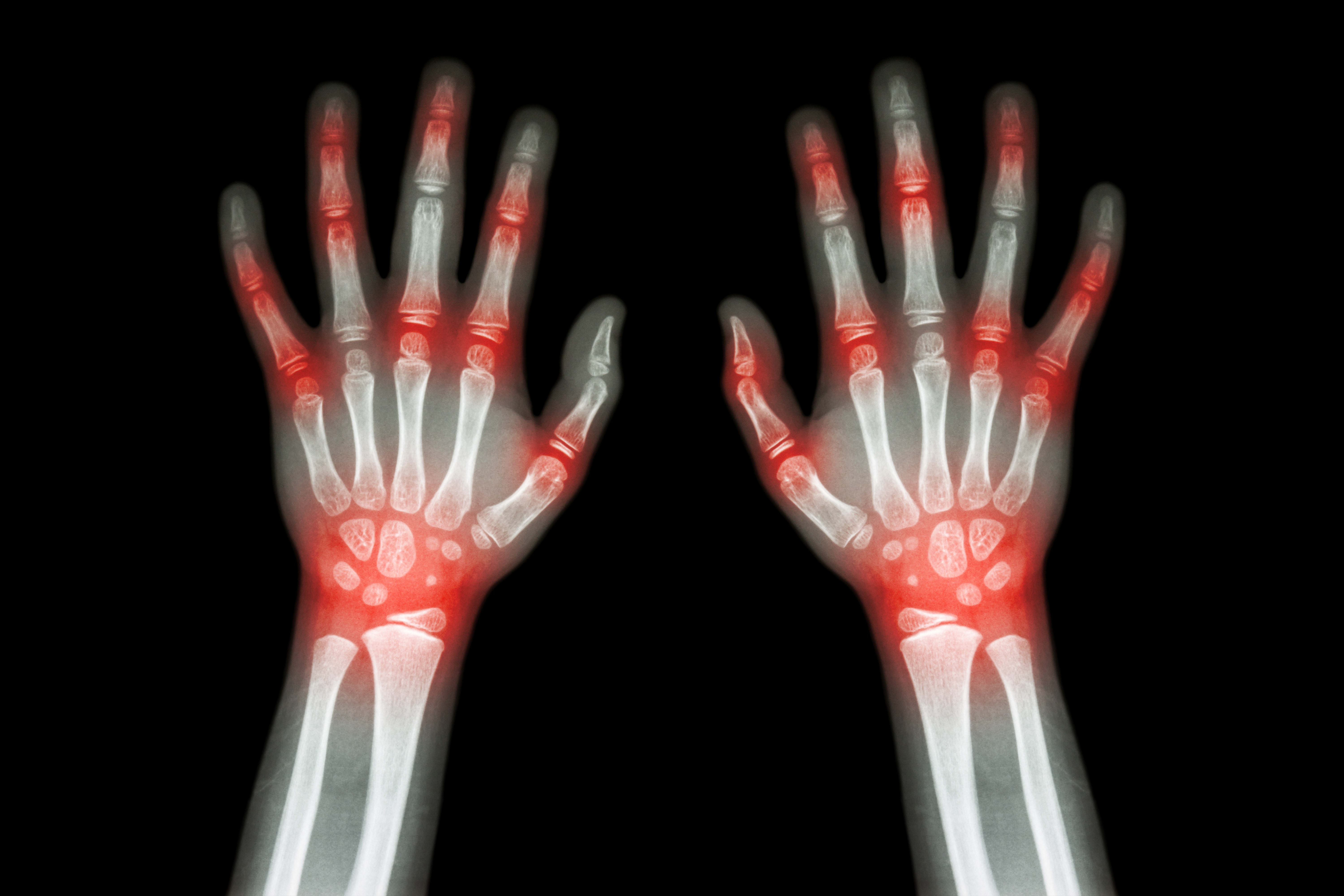
Clinical Scorecard: autoscoRA: Utilizing Deep Learning for Automated Scoring of Radiographic Damage in Rheumatoid Arthritis According to Sharp/van der Heijde Criteria
At a Glance
Category
Detail
Condition
Rheumatoid Arthritis
Key Mechanisms
Chronic inflammation of the synovial membrane leading to bone and cartilage damage.
Target Population
Adults with Rheumatoid Arthritis receiving regular radiographic monitoring.
Care Setting
Large academic medical center
Key Highlights
Deep learning models can automate scoring of radiographic damage in RA.
The Sharp/van der Heijde score is a comprehensive tool for assessing joint damage.
Manual scoring is time-consuming and subject to variability.
Automated systems like autoscoRA aim to improve reliability and scalability.
Regular imaging is crucial for monitoring disease progression.
Guideline-Based Recommendations
Diagnosis
Use of conventional radiography for annual imaging of hands and feet.
Management
Focus on abating inflammatory disease activity to preserve structural integrity.
Monitoring & Follow-up
Regular radiographic monitoring as part of routine care.
Risks
Intra- and interrater variability in manual scoring.
Patient & Prescribing Data
Consecutive adult patients with RA treated at a large academic medical center.
Patients with other inflammatory joint diseases were excluded from the study.
Clinical Best Practices
Utilize automated scoring systems to enhance reliability in assessing joint damage.
Ensure comprehensive imaging protocols to capture all necessary joints for scoring.
Ten-year observational data showed lower disease activity and functional disability coinciding with broader use of biologic and targeted synthetic therapies.
A systematic review of more than 2.3 million patients found that women and men had different patterns of postoperative complications and recovery, with age and implant strategy modifying observed differences.