Cupping vs UVB: Comparable Psoriasis Outcomes?
Randomized study found no statistically significant differences in disease improvement between treatments over 8 weeks.
-
By
-
Meg Barbor
-
April 9, 2026
-
Clinical Scorecard: Cupping vs UVB: Comparable Psoriasis Outcomes?
At a Glance
| Category | Detail |
|---|
| Condition | Plaque Psoriasis |
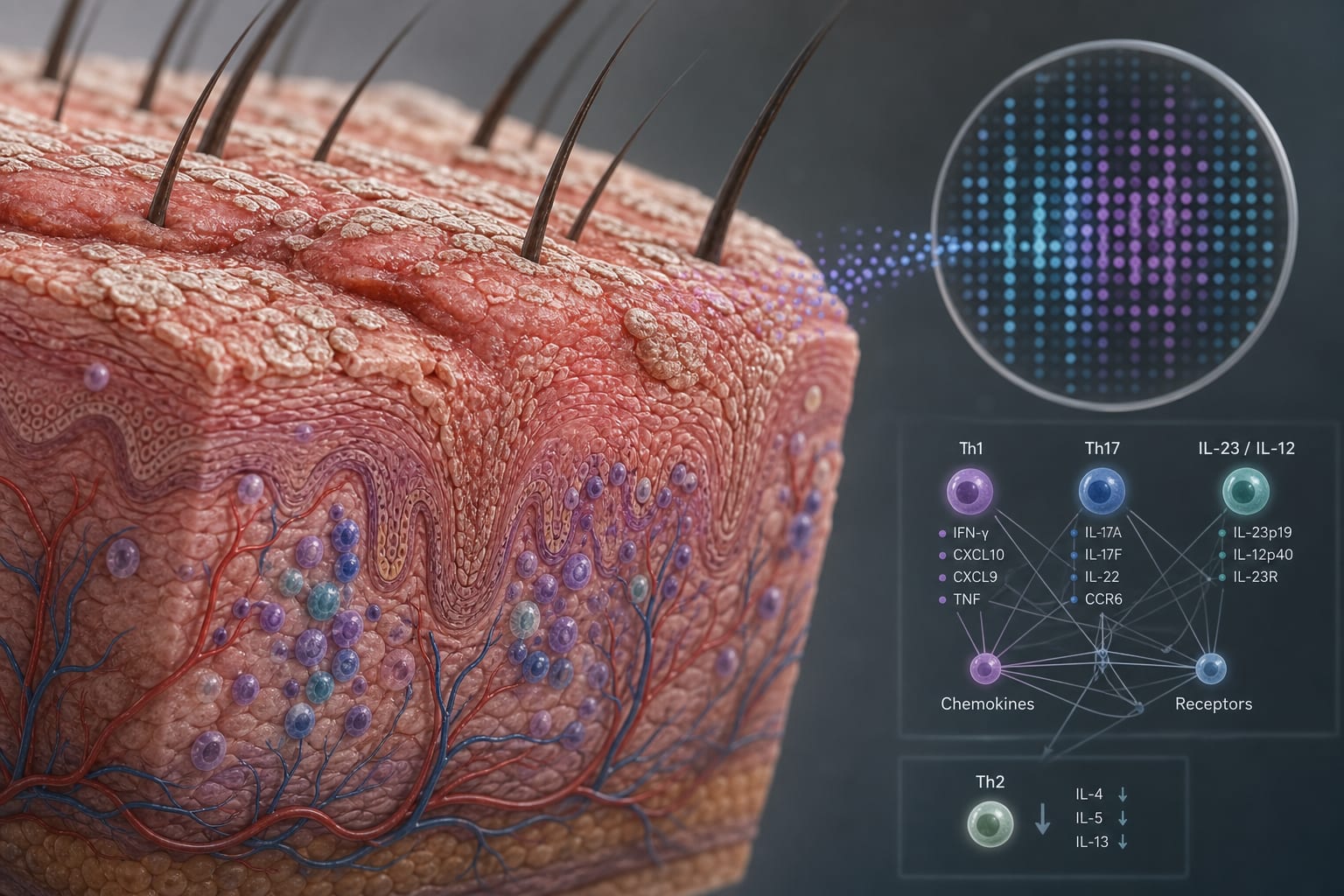
| Key Mechanisms | Sliding cupping may influence inflammatory pathways. |
| Target Population | Patients with plaque psoriasis, predominantly Chinese. |
| Care Setting | Single center, randomized controlled trial. |
Key Highlights
- Cupping and NBUVB showed similar short-term improvements in PASI scores.
- Mean PASI score reduction: 62% (cupping) vs 67% (NBUVB) by week 8.
- 69% (cupping) and 79% (NBUVB) achieved at least a 30% improvement in PASI scores.
- Adverse events were mild and infrequent; no serious adverse events reported.
- Study limitations include small size, short follow-up, and lack of blinding.
Guideline-Based Recommendations
Diagnosis
- Assess plaque psoriasis severity using PASI scores.
Management
- Consider sliding cupping or NBUVB for short-term treatment.
Monitoring & Follow-up
- Evaluate PASI scores and quality of life indicators at regular intervals.
Risks
- Be aware of potential operator-dependent variability in cupping therapy.
Patient & Prescribing Data
Patients with mild to moderate plaque psoriasis.
Sliding cupping may be an alternative to NBUVB with comparable outcomes.
Clinical Best Practices
- Conduct larger, longer-term studies to validate findings.
- Interpret results cautiously due to study limitations.
Related Resources & Content