Clinical Scorecard: Phase 2a Randomized, Double-Blind, Placebo-Controlled Trial of 2-Deoxy-D-Glucose in a Human Rhinovirus Challenge Model
At a Glance
Category
Detail
Condition
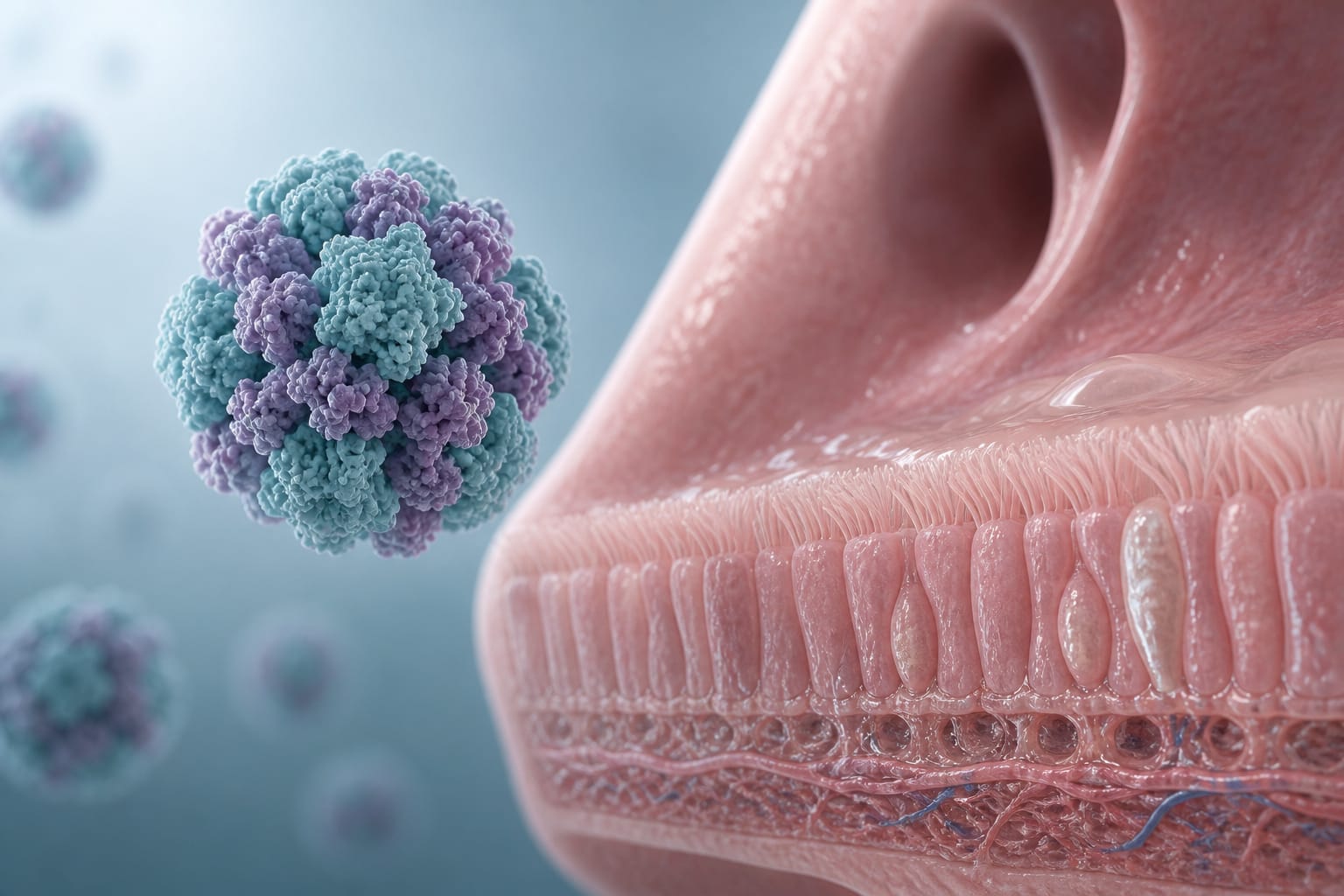
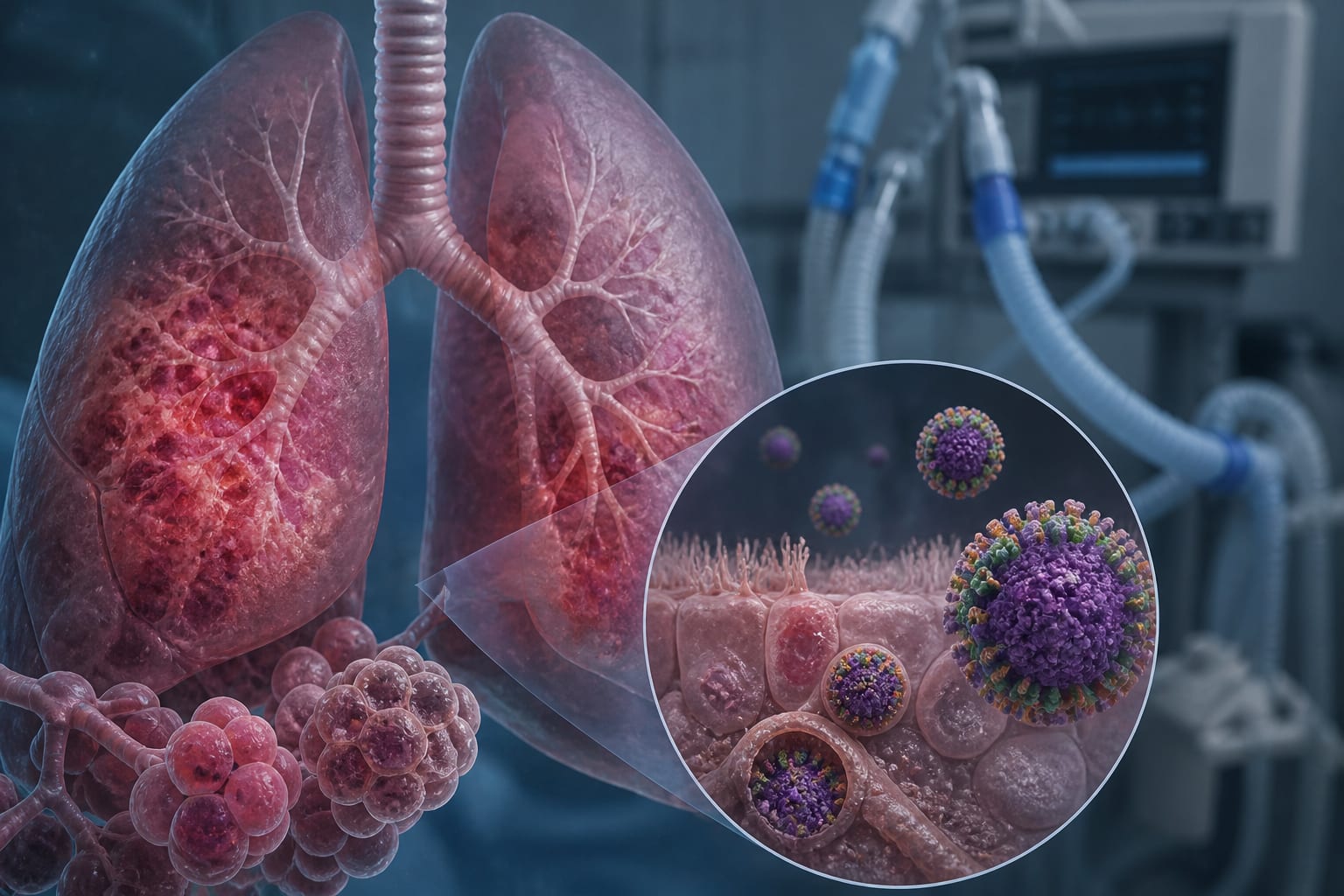
Rhinovirus-associated illness (RAI) following rhinovirus 39 (RV39) challenge.
Key Mechanisms
In preclinical models, 2-deoxy-D-glucose (2-DG) inhibits glycolysis and rhinovirus replication by reversing infection-associated changes in host-cell metabolism.
Target Population
Healthy adults aged 18–64 years with RV39-specific serum neutralizing antibody titers ≤1:4.
Care Setting
Outpatient randomized, double-blind, placebo-controlled phase 2a human challenge trial at the Centre for Human Drug Research in Leiden, the Netherlands.
Key Highlights
Sixty-four participants were randomized 1:1 to intranasal 2-DG or placebo to assess prevention of RAI after controlled RV39 inoculation.
In the primary per-protocol analysis, RAI occurred in 16/27 participants (59.3%) receiving 2-DG and 17/29 (58.6%) receiving placebo.
Laboratory-confirmed infection occurred in 23/27 participants (85.2%) receiving 2-DG and 27/29 (93.1%) receiving placebo. Infection rates, viral loads, and symptom scores did not differ significantly.
The trial stopped after the planned interim analysis of 64 participants because the recalculated sample size needed to detect a treatment difference was considered infeasible.
The outpatient RV39 challenge model was successfully implemented, enabling early assessment of the regimen’s lack of efficacy.
Guideline-Based Recommendations
The article describes an experimental research protocol rather than clinical practice guidelines.
Diagnosis
The study defined RAI as symptomatic illness accompanied by laboratory-confirmed rhinovirus infection.
Laboratory confirmation required detectable RV39 in at least one nasopharyngeal swab during study days 2–6 or a fourfold increase in RV39-specific neutralizing antibody titers between baseline and follow-up.
Management
Intranasal 2-DG did not demonstrate preventive efficacy under the tested conditions.
The article describes rhinovirus management as limited to supportive and symptomatic treatment.
Monitoring & Follow-up
Daily nasopharyngeal swabs were tested by quantitative polymerase chain reaction, and blood samples assessed antibody responses.
Symptoms were recorded from the day before inoculation through 14 days afterward using the Modified Jackson Score twice daily and Wisconsin Upper Respiratory Symptom Survey-21 once daily.
Daily trial-site visits included safety assessments and sampling; a final follow-up visit was planned 3 weeks after inoculation.
No severe or serious adverse events occurred, and none prompted treatment discontinuation or modification.
Overlapping effects of treatment and RV39 infection complicated adverse-event attribution.
Participants were instructed to avoid contact with vulnerable individuals throughout the trial.
Patient & Prescribing Data
The 64 participants had a mean age of 27.5 years; 36 (56.25%) were female. Eligibility required RV39-specific neutralizing antibody titers ≤1:4. Exclusions included respiratory or immune disease, current or previous smoking, recent infection, and sharing a household with individuals at risk of severe rhinovirus infection, among other criteria.
Participants received intranasal 2-DG at 14 mg per dose or placebo four times daily, beginning the day before inoculation and continuing through 5 days afterward. Two doses were administered on the initial and final days. Four daily 2-DG doses provided 56 mg. Participants received 100 TCID50 of RV39 intranasally.
Clinical Best Practices
Distinguish the preclinical antiviral rationale from the absence of demonstrated benefit in this trial.
Interpret the results within the tested dose, schedule, population, and challenge conditions.
Consider the study’s limitations: possible dosing errors or nonadherence with self-administration, absence of pharmacokinetic data to confirm exposure, and use of one rhinovirus type at a challenge dose exceeding natural exposure.
Recognize that the eligibility criteria, sampling schedule, and exposure precautions were research procedures.
Related Resources & Content
2-deoxy-D-glucose in a human rhinovirus challenge model: A randomized, double-blind placebo-controlled phase 2a clinical trial — Victor M. Cnossen, Salma Assil, Marieke L. de Kam, et al. — International Journal of Infectious Diseases. 2026;173:109144. doi:10.1016/j.ijid.2026.109144.
Safety, tolerability, and pharmacokinetics of intranasal 2-deoxy-D-glucose in normal healthy volunteers: a randomized, double-blind, placebo-controlled, single and multiple ascending dose phase 1 study — Bischof T, Gsoellpointner M, Miljevic KDK, et al. — European Journal of Pharmaceutical Sciences. 2025;209:107069. doi:10.1016/j.ejps.2025.107069.
Rhinovirus induces an anabolic reprogramming in host cell metabolism essential for viral replication — Gualdoni GA, Mayer KA, Kapsch A-M, et al. — Proceedings of the National Academy of Sciences of the United States of America. 2018;115(30):E7158–E7165. doi:10.1073/pnas.1800525115.
by Victor M. Cnossen, Salma Assil, Marieke L. de Kam, Meta Roestenberg, Anna-Dorothea Gorki, Ronald B. Turner, Guido A. Gualdoni, Ingrid M.C. Kamerling
Investigators found that symptom improvement remained possible years after infection, but patients with multisystem symptoms had lower likelihood of improvement.
A splinter injury progressed to finger necrosis in a patient with MDS, despite antibacterial treatment and no clinically apparent systemic dissemination.