Clinical Scorecard: IVC Filters Show Mixed Outcomes in APE
At a Glance
Category
Detail
Condition
Acute Pulmonary Embolism (APE) and Venous Thromboembolism (VTE)
Key Mechanisms
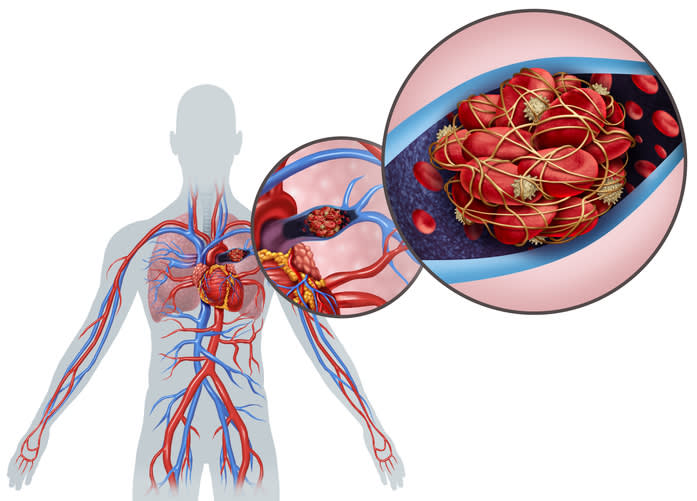
IVC filters prevent thrombus migration from lower extremities to pulmonary vasculature
Target Population
Patients with contraindications to anticoagulation or hemodynamically unstable APE with poor cardiopulmonary reserve
Care Setting
Hospital and interventional settings managing venous thromboembolism
Key Highlights
IVC filters reduce pulmonary embolism events but do not improve overall mortality.
Use of IVC filters is associated with increased risk of deep vein thrombosis.
Guidelines recommend selective use in patients with contraindications to anticoagulation and emphasize planned retrieval.
Guideline-Based Recommendations
Diagnosis
Identify patients with venous thromboembolism who have contraindications to anticoagulation or recurrent embolism despite therapy.
Management
Consider IVC filter placement primarily in patients with contraindications to anticoagulation or hemodynamically unstable APE.
Pair filter placement with structured follow-up and planned retrieval once anticoagulation is feasible.
Monitoring & Follow-up
Monitor for early complications such as access site bleeding and venous thrombosis at insertion site.
Monitor for long-term complications including deep vein thrombosis, IVC thrombosis, and filter fracture.
Risks
Increased risk of deep vein thrombosis (up to 21% in some studies).
Potential for filter-related complications including thrombosis, fracture, and bleeding.
Patient & Prescribing Data
Patients with proximal DVT, high-risk APE, or contraindications to anticoagulation
IVC filters reduce pulmonary embolism incidence but do not confer survival benefit; retrieval rates remain low despite high success and low complication rates during removal.
Clinical Best Practices
Reserve IVC filter placement for patients with contraindications to anticoagulation or recurrent embolism despite therapy.
Implement structured follow-up protocols to ensure timely filter retrieval.
Balance potential benefits of embolism reduction against increased risk of deep vein thrombosis and other complications.
Educate patients on risks and benefits of IVC filter placement and the importance of follow-up.