Editorial: The Role of Sex Hormones in Cardiovascular and Renal Health: Mechanisms, Implications, and Treatment Perspectives
-
By
-
Prerna Kumar
-
Evangeline Deer
-
Noha Shawky Elsayed
-
July 21, 2026
Clinical Scorecard: The Role of Sex Hormones in Cardiovascular and Renal Health: Mechanisms, Implications, and Treatment Perspectives
At a Glance
| Category | Detail |
|---|
| Condition | Cardiovascular and Renal Health |
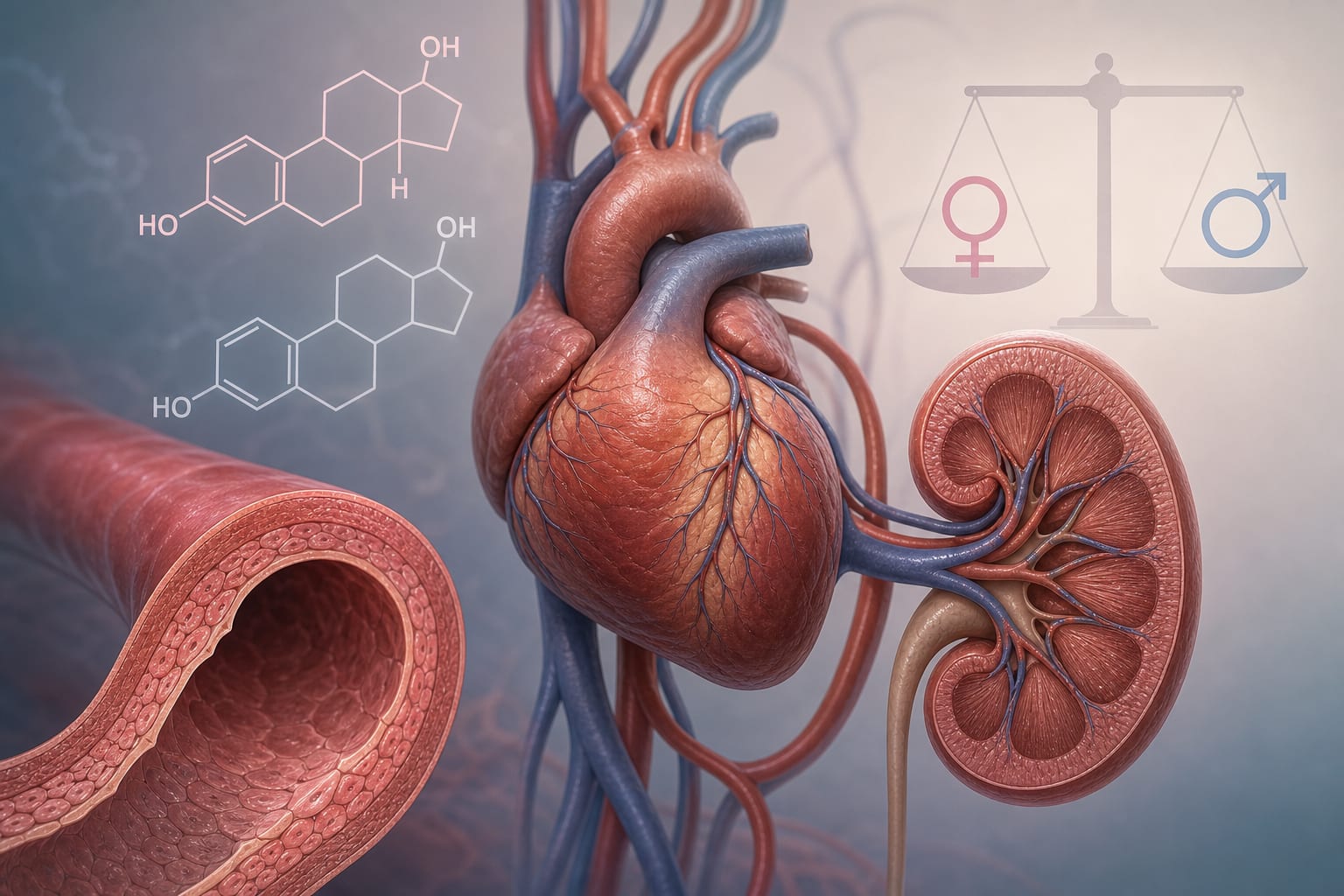
| Key Mechanisms | Sex hormones regulate endothelial function, vascular tone, inflammatory signaling, oxidative stress, and extracellular matrix remodeling. |
| Target Population | Both sexes, with a focus on women during reproductive years and menopausal transition. |
| Care Setting | Clinical research and cardiovascular health assessment. |
Key Highlights
- Sex hormones influence cardiovascular risk and health outcomes.
- Menopausal transition increases cardiovascular disease risk in women.
- eGDR is a reliable marker of insulin resistance associated with CVD risk.
- Progesterone's role in cardiovascular and renal health remains unclear.
- Limited studies on long-term effects of gender-affirming hormonal therapy on cardiovascular health.
Guideline-Based Recommendations
Diagnosis
- Monitor cardiovascular health parameters in women during menopausal transition.
Management
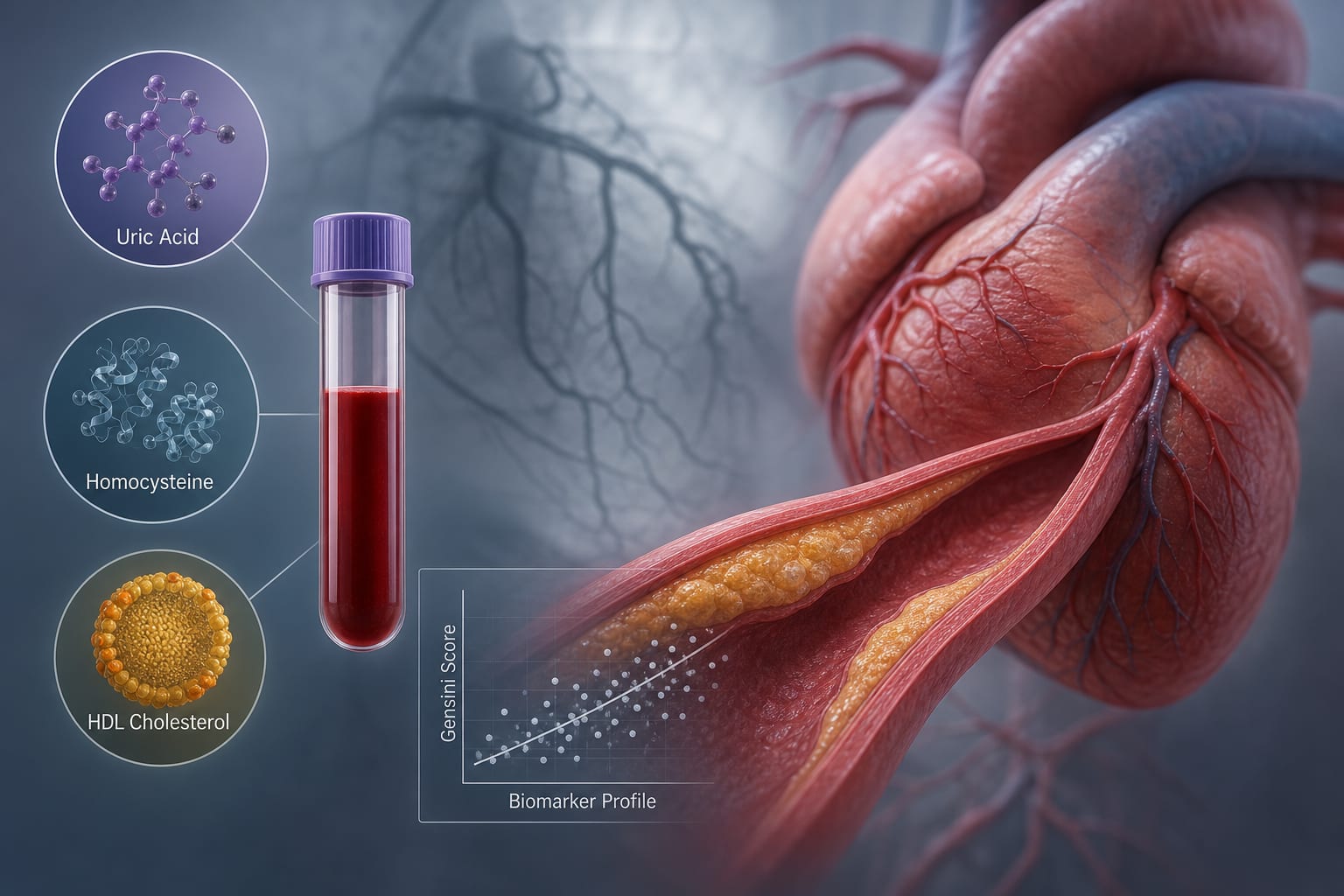
- Investigate potential biomarkers for cardiovascular risk in both sexes.
Monitoring & Follow-up
- Assess eGDR levels as a prognostic marker for cardiovascular disease.
Risks
- Increased risk of metabolic disorders and cardiovascular disease in peri- and post-menopausal women.
Patient & Prescribing Data
Women undergoing menopausal transition and individuals undergoing gender-affirming hormonal therapy.
Further research is needed on the long-term effects of hormonal therapies on cardiovascular health.
Clinical Best Practices
- Focus on sex-specific differences in cardiovascular risk assessment.
- Encourage studies on the role of progesterone in cardiovascular health.
Related Resources & Content