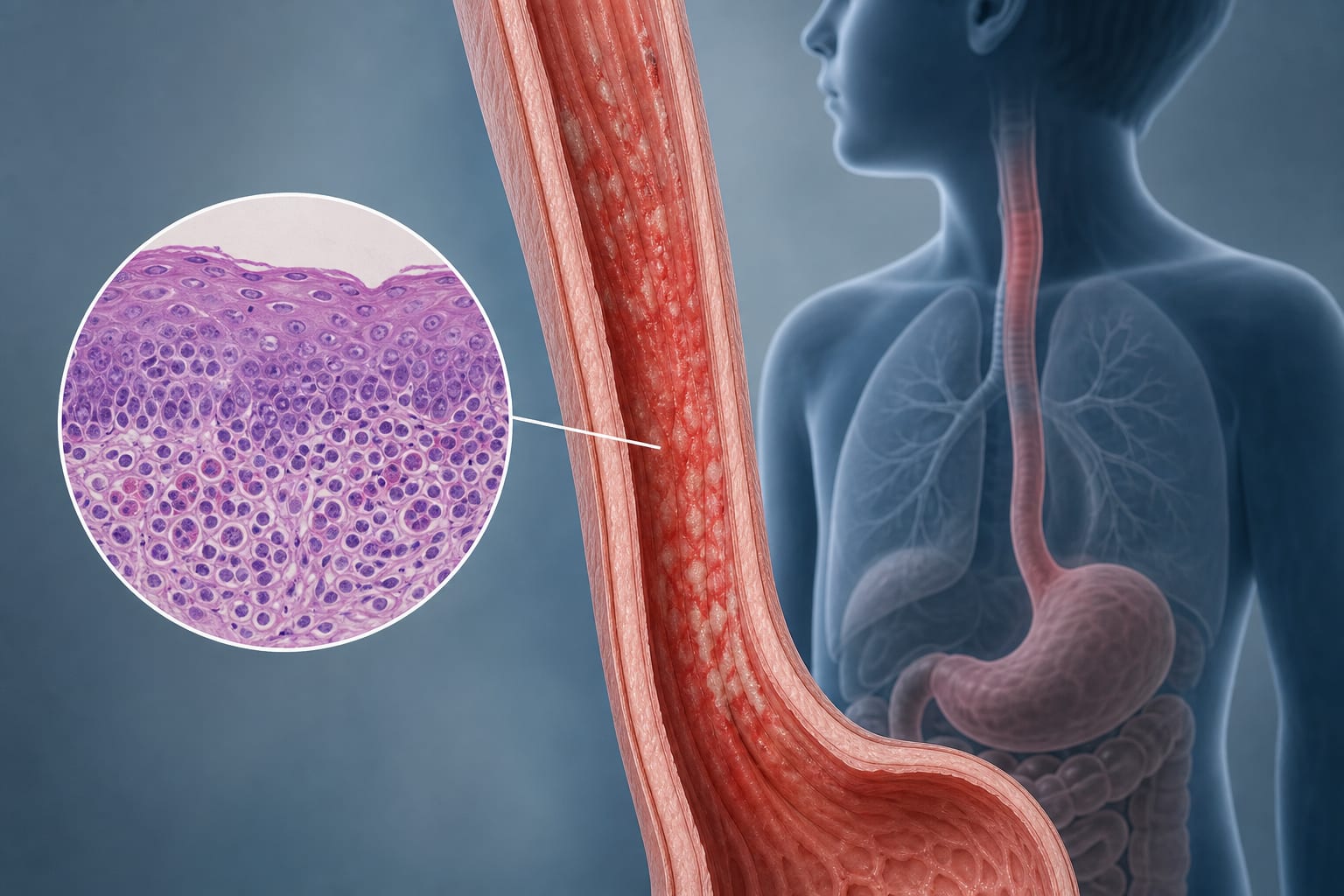
Children with digestive, liver, and nutritional disorders
Care Setting
Pediatric gastroenterology
Key Highlights
Expansion of minimally invasive endoscopy techniques like video capsule endoscopy (VCE) and transnasal endoscopy (TNE)
Transition to enhanced diagnostic precision using technologies such as confocal laser endomicroscopy and functional luminal imaging planimetry (EndoFLIP)
Adaptation of therapeutic endoscopy techniques like endoscopic ultrasound (EUS) and endoscopic retrograde cholangiopancreatography (ERCP) for pediatric use
Integration of artificial intelligence in image analysis to enhance lesion detection and standardize reporting
Need for dedicated pediatric studies to bridge the gap between adult innovations and pediatric applications
Guideline-Based Recommendations
Diagnosis
Utilize minimally invasive endoscopy for improved tolerability and diagnostic yield
Incorporate advanced imaging techniques for real-time histologic assessment
Management
Adapt therapeutic endoscopy techniques for pediatric patients to reduce surgical interventions
Implement AI tools to augment clinical decision-making
Monitoring & Follow-up
Focus on safety and feasibility in the application of new technologies
Risks
Address concerns regarding infection transmission in endoscopic procedures
Patient & Prescribing Data
Pediatric patients with gastrointestinal disorders
Minimally invasive tools are crucial for reducing the burden of procedures on children
Clinical Best Practices
Ensure robust validation of AI algorithms in diverse pediatric populations
Develop new educational frameworks to prepare pediatric gastroenterologists for advanced technologies