Accuracy of splenic stiffness measurement for predicting clinically significant varices in children with portal hypertension: a systematic review and diagnostic test accuracy meta-analysis - Scorecard - MDSpire
Conexiant’s news site is now MDSpire News. Learn more
Advertisement
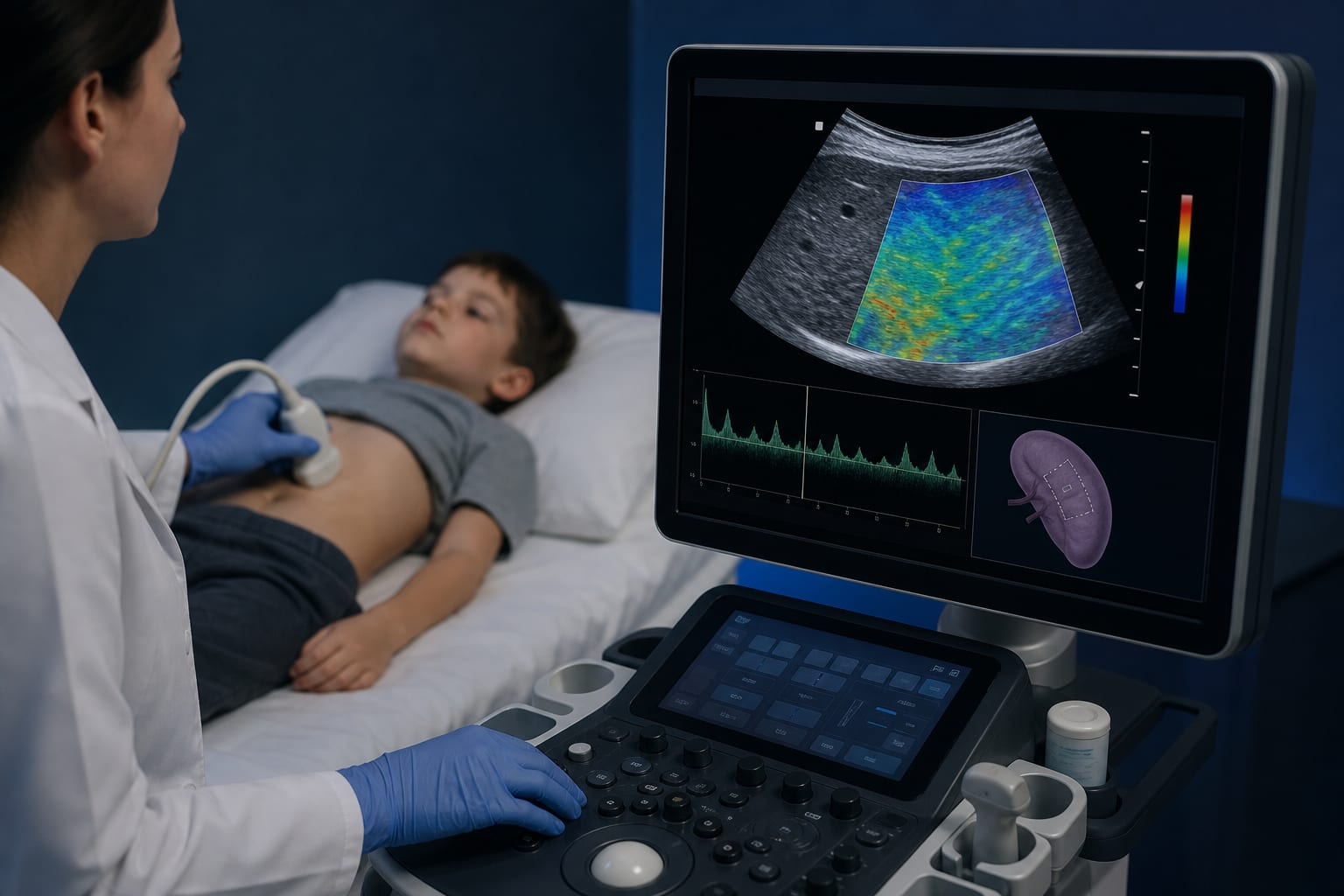
Evaluating the Diagnostic Performance of Splenic Stiffness Measurement in Identifying Clinically Significant Varices in Pediatric Patients with Portal Hypertension: A Systematic Review and Meta-Analysis of Diagnostic Test Accuracy
Clinical Scorecard: Evaluating the Diagnostic Performance of Splenic Stiffness Measurement in Identifying Clinically Significant Varices in Pediatric Patients with Portal Hypertension: A Systematic Review and Meta-Analysis of Diagnostic Test Accuracy
At a Glance
Category
Detail
Condition
Portal Hypertension in Pediatric Patients
Key Mechanisms
Splenic stiffness measurement (SSM) as a non-invasive marker for detecting clinically significant varices (CSV)
Target Population
Children under 18 years with portal hypertension
Care Setting
Diagnostic evaluation in pediatric gastroenterology
Key Highlights
SSM shows high sensitivity (92.5%) and moderate specificity (80.3%) for detecting CSV in non-cirrhotic portal hypertension.
In chronic liver disease, SSM has moderate sensitivity (83%) and specificity (75.7%) for predicting CSV.
The study includes 21 studies with 14 eligible for meta-analysis, totaling 1027 pediatric patients.
Oesophagogastroduodenoscopy (OGD) is the reference standard for diagnosing varices.
Guideline-Based Recommendations
Diagnosis
Use SSM as a non-invasive tool for detecting clinically significant varices in pediatric patients with portal hypertension.
Management
Monitoring & Follow-up
Risks
Invasive procedures like OGD carry risks; SSM may reduce unnecessary interventions.
Patient & Prescribing Data
Pediatric patients with clinically significant portal hypertension
Clinical Best Practices
Incorporate SSM into the diagnostic pathway for children with suspected portal hypertension.