Getting YAG in the Bag: Tips for Success - Scorecard - MDSpire

Getting YAG in the Bag: Tips for Success

  • By

  • Jennifer Kirby, managing editor

  • July 1, 2025

  • 2 min

Share

Clinical Scorecard: Getting YAG in the Bag: Tips for Success

At a Glance

CategoryDetail
ConditionPosterior capsular opacification after cataract surgery
Key MechanismsYttrium aluminum garnet (YAG) laser capsulotomy to open the posterior capsule
Target PopulationPatients at least 3 months post-cataract surgery without confounding ocular conditions
Care SettingOptometry clinics in states permitting optometrists to perform laser procedures

Key Highlights

  • Ideal patients have no confounding factors such as diabetic retinopathy or glaucoma.
  • Wait at least 3 months post-cataract surgery before performing YAG capsulotomy to reduce complications.
  • Use the cruciate laser technique starting perpendicular to minimize vitreous fragment formation.

Guideline-Based Recommendations

Diagnosis

  • Identify posterior capsular opacification in patients post-cataract surgery.
  • Assess for confounding ocular conditions like diabetic retinopathy or glaucoma.

Management

  • Perform YAG capsulotomy at least 3 months after cataract surgery to allow healing.
  • Use an Abraham lens for magnification and patient stability when starting the procedure.
  • Set laser energy between 1.3 mJ and 2.5 mJ for fibrous posterior capsular opacification, with 1.7 mJ as a common effective setting.
  • Maintain laser focal point 125 μm to 500 μm posterior to the lens capsule, ideally around 250 μm.
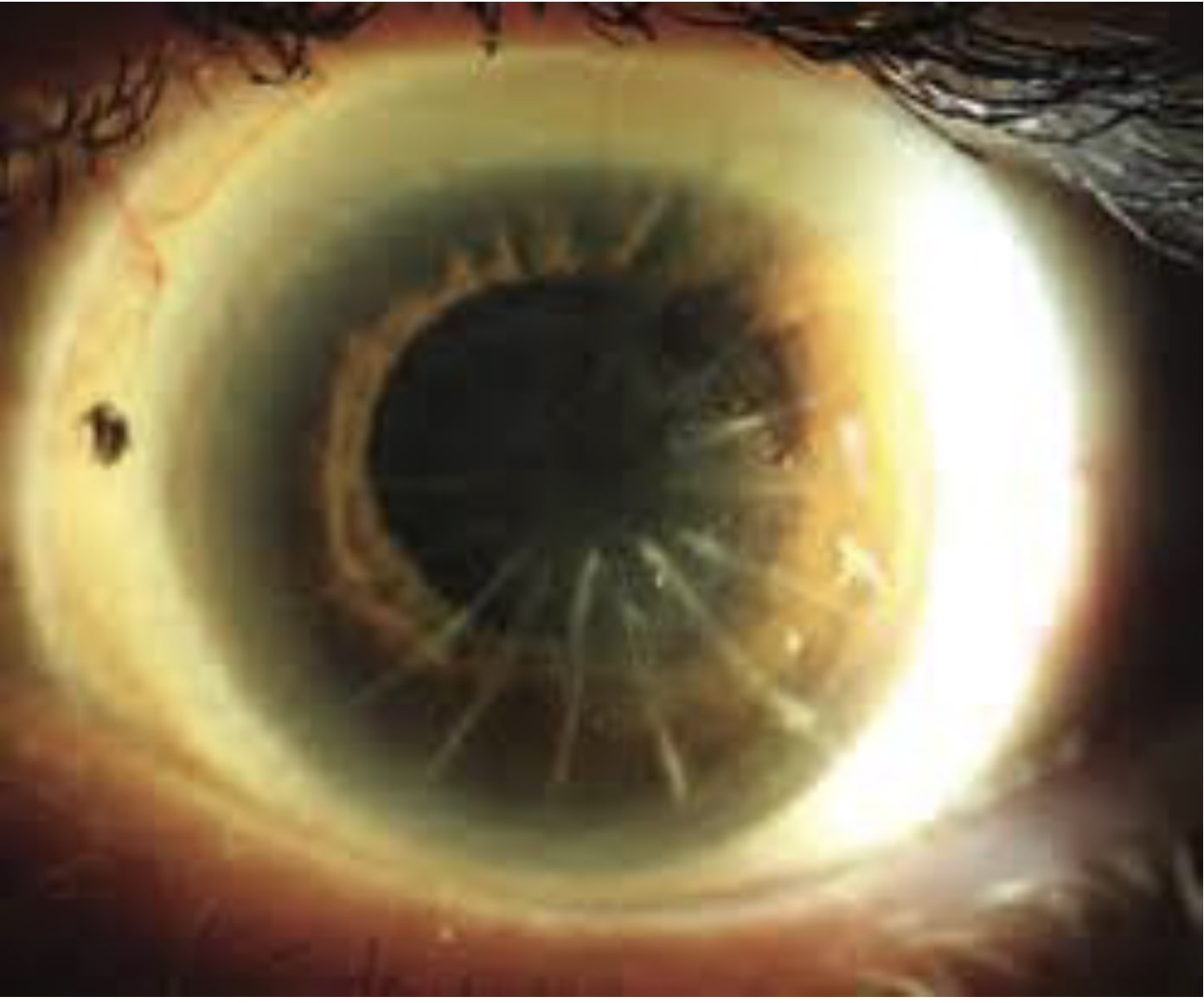
  • Employ the cruciate technique to open the posterior capsule to prevent free-floating vitreous fragments.

Monitoring & Follow-up

  • Monitor intraocular pressure (IOP) post-procedure, especially in patients with filtering blebs.
  • Watch for complications such as cystoid macular edema, IOL damage or displacement, retinal tears, and detachments.

Risks

  • Performing the procedure too soon can cause cystoid macular edema, IOP spikes, retinal tears, retinal detachments, and IOL issues.
  • Increased IOP risk in patients with filtering blebs due to potential bleb dysfunction.

Patient & Prescribing Data

Patients with posterior capsular opacification post-cataract surgery without significant ocular comorbidities

YAG capsulotomy is effective when performed after adequate healing time and with appropriate laser settings and technique to minimize complications.

Clinical Best Practices

  • Ensure patient selection excludes those with confounding ocular diseases for optimal outcomes.
  • Wait a minimum of 3 months post-cataract surgery before YAG capsulotomy.
  • Use magnification lenses initially to improve laser accuracy and patient stability.
  • Apply laser energy carefully within recommended parameters for fibrous opacifications.
  • Adopt the cruciate technique starting perpendicular to reduce vitreous fragment risk.
  • Exercise caution and monitor IOP closely in patients with filtering blebs.

References

Original Source(s)

Related Content