FURL vs Mini-PCNL in 2 to 3 cm Stones - Scorecard - MDSpire

FURL vs Mini-PCNL in 2 to 3 cm Stones

  • By

  • Kathryn Wighton

  • April 17, 2026

  • 2 min

Share

Clinical Scorecard: FURL vs Mini-PCNL in 2 to 3 cm Stones

At a Glance

CategoryDetail
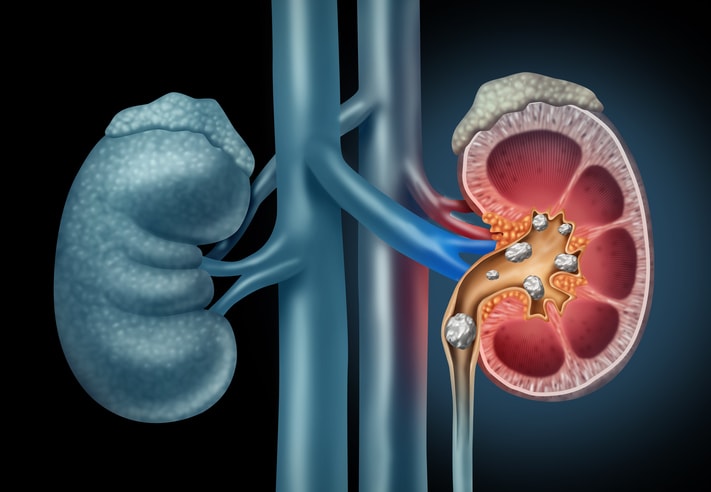
ConditionRenal stones (2 to 3 cm)
Key MechanismsFlexible ureteroscopy with lithotripsy using suction technology
Target PopulationPatients with 2 to 3 cm renal stones
Care SettingMulticenter clinical settings

Key Highlights

  • Immediate stone-free rates: 84% for FURL, 85% for mini-PCNL
  • 3-month stone-free rates: 90% for FURL, 92% for mini-PCNL
  • Suction-assisted FURL associated with lower intrarenal pressure and shorter hospital stays
  • Improved quality of life reported in patients treated with FURL
  • Favorable safety profiles in pediatric and anatomically complex populations

Guideline-Based Recommendations

Diagnosis

  • Individualized treatment selection based on stone characteristics and patient factors

Management

  • Consider suction-assisted FURL for moderate stone burdens (2 to 3 cm) as an alternative to mini-PCNL

Monitoring & Follow-up

  • Follow-up for stone-free rates at immediate and 3-month intervals

Risks

  • Potential for infectious complications, though reduced with suction systems

Patient & Prescribing Data

Patients with moderate-sized renal stones (2 to 3 cm)

Suction-assisted FURL may provide comparable outcomes to mini-PCNL with additional benefits

Clinical Best Practices

  • Utilize suction technology to enhance outcomes in flexible ureteroscopy
  • Consider patient quality of life in treatment decisions
  • Advocate for individualized treatment plans based on expertise and patient needs

References

Original Source(s)

Related Content