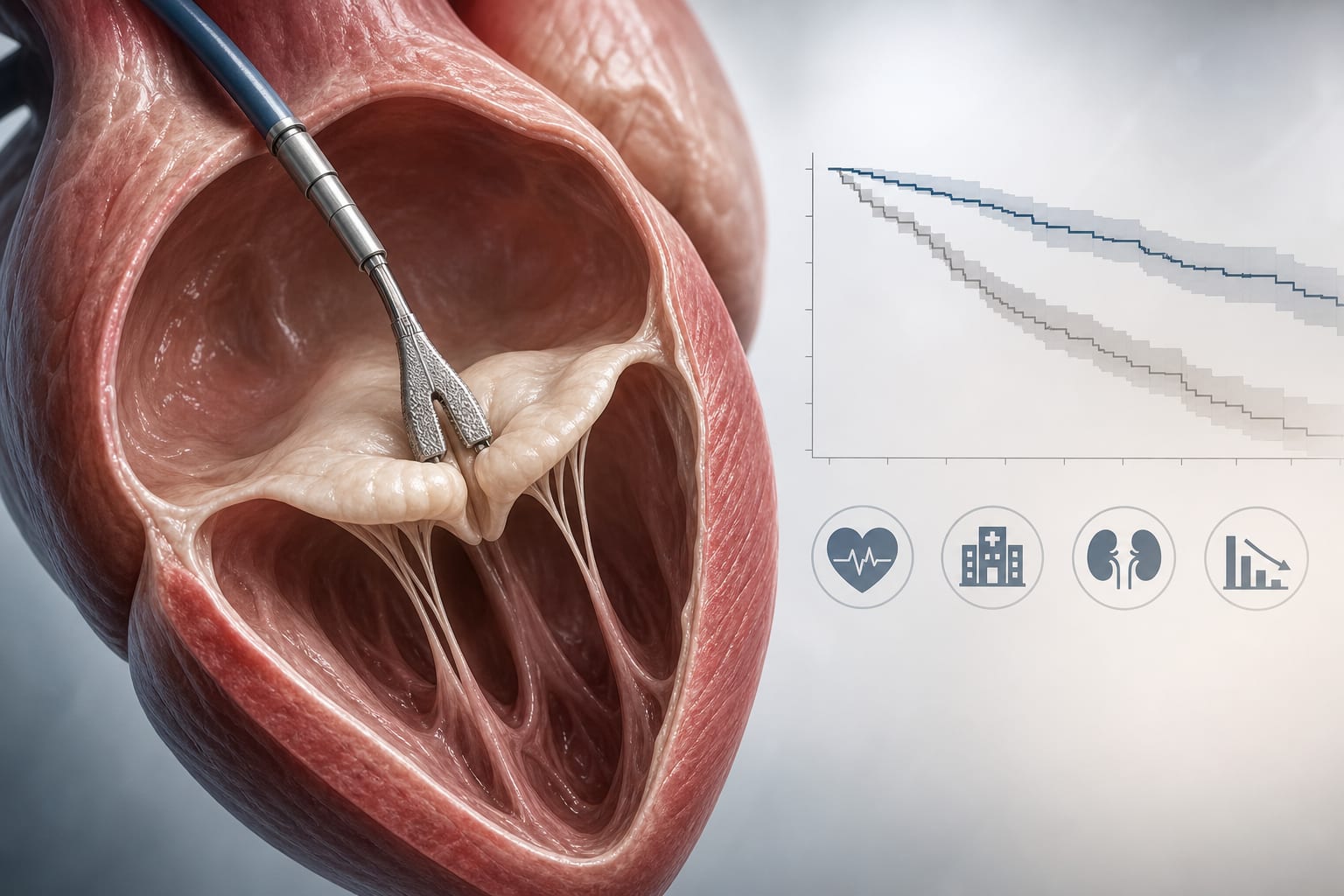
Clinical Scorecard: Worldwide Analysis of the Cost-Effectiveness of Cardiac Resynchronization Therapy in Heart Failure: A Systematic Review
At a Glance
Category
Detail
Condition
Heart Failure (HF)
Key Mechanisms
Cardiac resynchronization therapy (CRT) reduces symptoms, hospitalizations, and mortality in patients with heart failure and reduced left ventricular ejection fraction (HFrEF).
Target Population
Adult patients aged ≥18 years with symptomatic heart failure (NYHA class II–IV) and reduced LV ejection fraction (≤35%).
Care Setting
Various healthcare settings globally.
Key Highlights
CRT + optimal medical therapy (OMT) is highly cost-effective with ICERs ranging from €3,048-€71,447/QALY gained.
CRT-D shows variable cost-effectiveness, with ICERs from €24,909-€105,572/QALY gained.
CRT-P is recommended as a high-value therapy for symptomatic HFrEF patients despite OMT.
Guideline-Based Recommendations
Diagnosis
Assess symptomatic heart failure with reduced LV ejection fraction.
Management
Consider CRT + OMT for patients who remain symptomatic despite optimal medical therapy.
Monitoring & Follow-up
Evaluate cost-effectiveness and clinical outcomes post-CRT implementation.
Risks
CRT-D should be reserved for selected high-risk patients due to variable cost-effectiveness.
Patient & Prescribing Data
Patients with symptomatic heart failure and reduced LV ejection fraction.
CRT-P is a cost-effective option, while CRT-D may exceed willingness-to-pay thresholds.