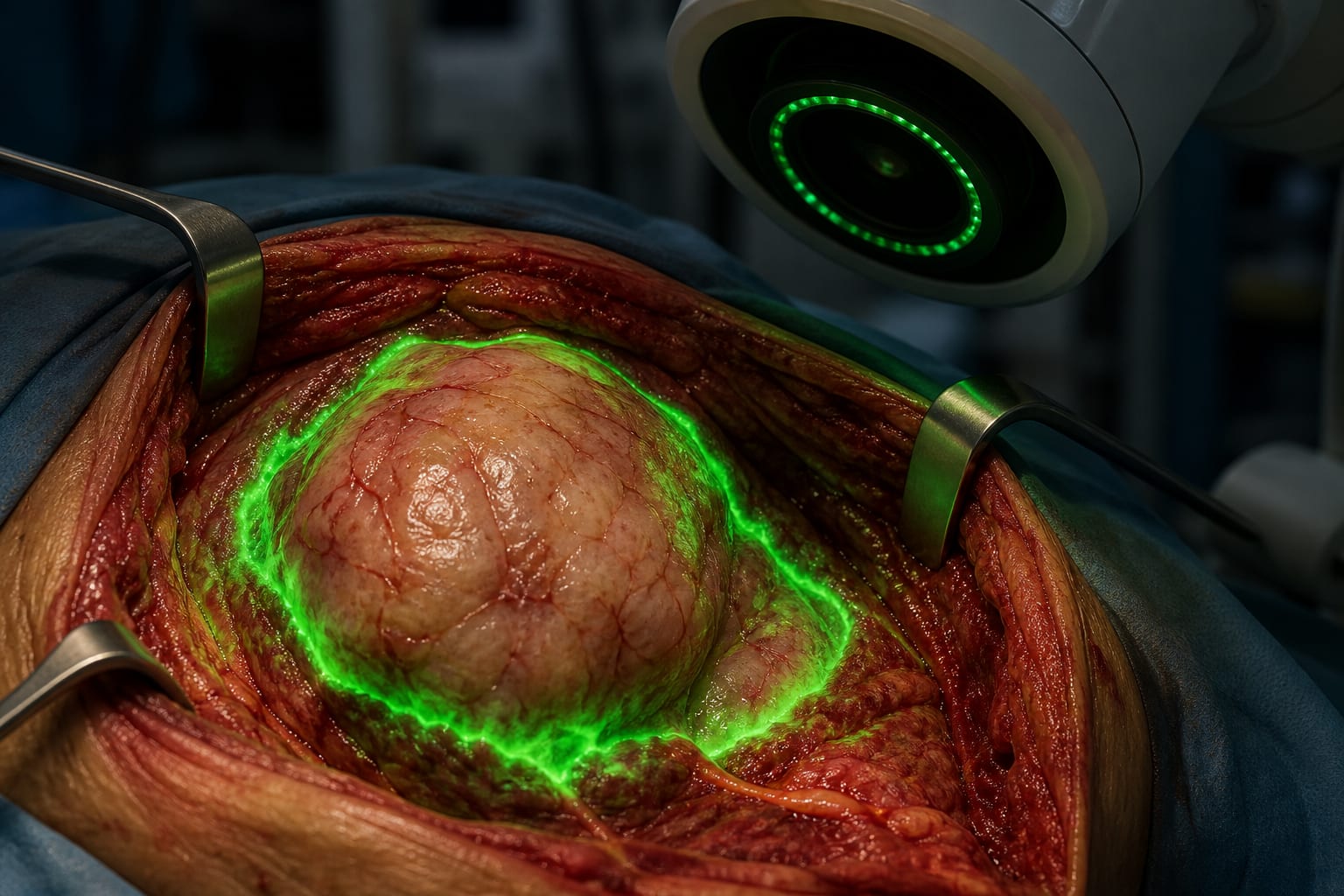
Clinical Scorecard: Analysis of Early Stage Melanoma Management and Treatment Approaches: Findings from a Multicenter Chart Review
At a Glance
Category
Detail
Condition
Early-stage cutaneous melanoma (stage IB–IIC)
Key Mechanisms
Surgical management, sentinel lymph node biopsy, systemic drug therapy (anti-PD-1 and anti-CTLA-4 agents), radiotherapy
Target Population
Patients aged ≥ 18 years with newly diagnosed, histologically confirmed stage IB–IIC melanoma
Care Setting
Medical oncology and dermatology services at multiple US institutions
Key Highlights
Surgery is the primary treatment for early-stage melanoma, often combined with sentinel lymph node biopsy.
Systemic therapy is increasingly used for higher-stage disease, with anti-PD-1 and anti-CTLA-4 agents as common second-line treatments.
Adjuvant anti-PD-1 therapy is considered for high-risk early-stage melanoma to reduce recurrence risk.
Pathological staging and discussion of treatment options are recommended before initiating anti-PD-1 therapy.
Watchful waiting is included in guidelines but varies in documentation across care settings.
Guideline-Based Recommendations
Diagnosis
Pathological staging including sentinel lymph node biopsy is recommended for high-risk early-stage melanoma.
Management
Surgical management is the cornerstone of treatment for early-stage melanoma, with wide local excision and sentinel lymph node biopsy as standard practices.
Monitoring & Follow-up
Clinical surveillance without immediate additional therapy (watchful waiting) is included in management guidelines.
Risks
Consideration of potential benefits and toxicities of treatments, including immunotoxicities, is essential for shared decision-making.
Patient & Prescribing Data
Patients with newly diagnosed, histologically confirmed stage IB–IIC melanoma
Higher-stage disease correlates with increased treatment lines and the need for novel therapies.
Clinical Best Practices
Adhere to NCCN guidelines for surgical management and adjuvant therapy.
Engage in shared decision-making regarding treatment options and potential risks.
Consider radiotherapy for local recurrence risk in selected high-risk cases.
by Collin M. Costello, Maria L. Wei, James Isaacs, Elizabeth M. Gaughan, Adina Greene, Alexandra So, Xiaochen Zhong, Jara Majuelos-Melguizo, Kavita Gandhi, Claudia Rey, Alicia Delibes, Rosemarie Barnett, Mizuho Fukunaga-Kalabis, Nawab Qizilbash, Irene M. Shui, Xiang-Lin Tan