Postoperative periprosthetic fractures associated with compressive osseointegration: a systematic review of the Zimmer Biomet Compress® device - Scorecard - MDSpire
Clinical Scorecard: Systematic Review of Postoperative Periprosthetic Fractures Linked to Compressive Osseointegration with the Zimmer Biomet Compress® Device
At a Glance
Category
Detail
Condition
Postoperative Periprosthetic Fractures
Key Mechanisms
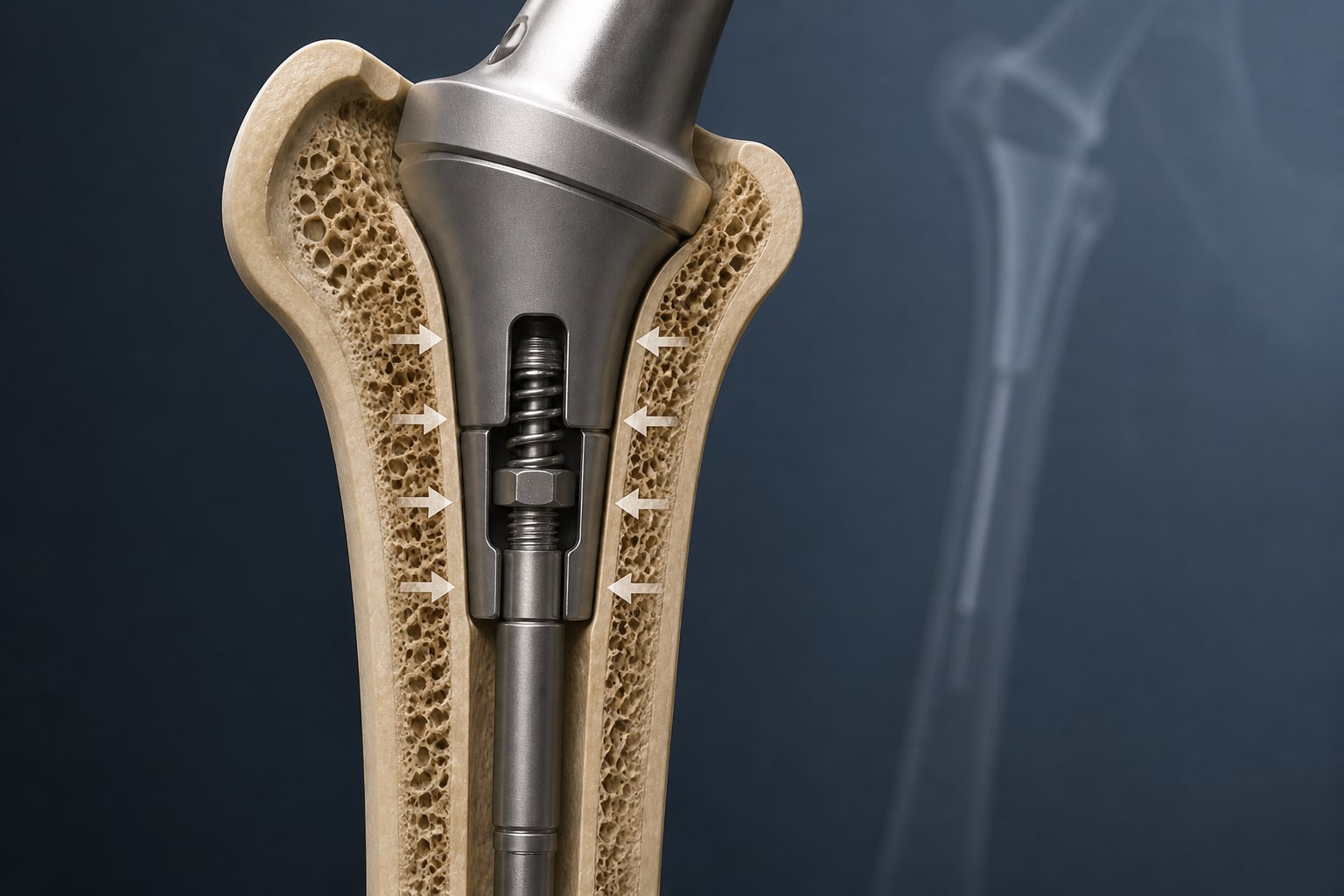
Compressive osseointegration via the Zimmer Biomet Compress® device promotes bone hypertrophy but increases fracture risk.
Target Population
Patients undergoing massive endoprosthetic reconstruction for oncological or traumatic indications.
Care Setting
Surgical and postoperative care for limb salvage procedures.
Key Highlights
Periprosthetic fractures associated with the CPS device are uncommon, with an overall incidence of 2.7%.
Fractures predominantly occur within the first 2 postoperative years.
The CPS device's failure profile differs from traditional cemented stems, which fail due to late-onset aseptic loosening.
Methodological quality of included studies was moderate, with common weaknesses noted.
Comparative analysis with cemented stems requires caution due to differences in study designs.
Guideline-Based Recommendations
Diagnosis
Monitor for periprosthetic fractures in the first 2 years post-implantation.
Management
Consider the unique failure profile of the CPS device when planning surgical interventions.
Monitoring & Follow-up
Regular follow-up assessments to evaluate osseointegration and detect early signs of fracture.
Risks
Increased risk of periprosthetic fractures at the bone-implant interface due to high compressive forces.
Patient & Prescribing Data
Patients receiving the CPS device for limb salvage after oncological resection or complex trauma.
Low absolute fracture rates suggest the CPS device may be a viable alternative to traditional cemented implants.
Clinical Best Practices
Utilize comprehensive preoperative planning to assess patient suitability for the CPS device.
Educate patients on the potential risks and benefits associated with the CPS device.