Unveiling the potential of digital twins in homecare: A reflexive thematic analysis of older adults’ views
-
By
-
Sandra Saade
-
Susanna Nordin
-
Kevin McKee
-
Marie Elf
-
Johan Borg
-
May 12, 2026
-
Clinical Scorecard: Exploring the Role of Digital Twins in Homecare: A Thematic Analysis of Perspectives from Older Adults
At a Glance
| Category | Detail |
|---|
| Condition | Homecare for older adults |
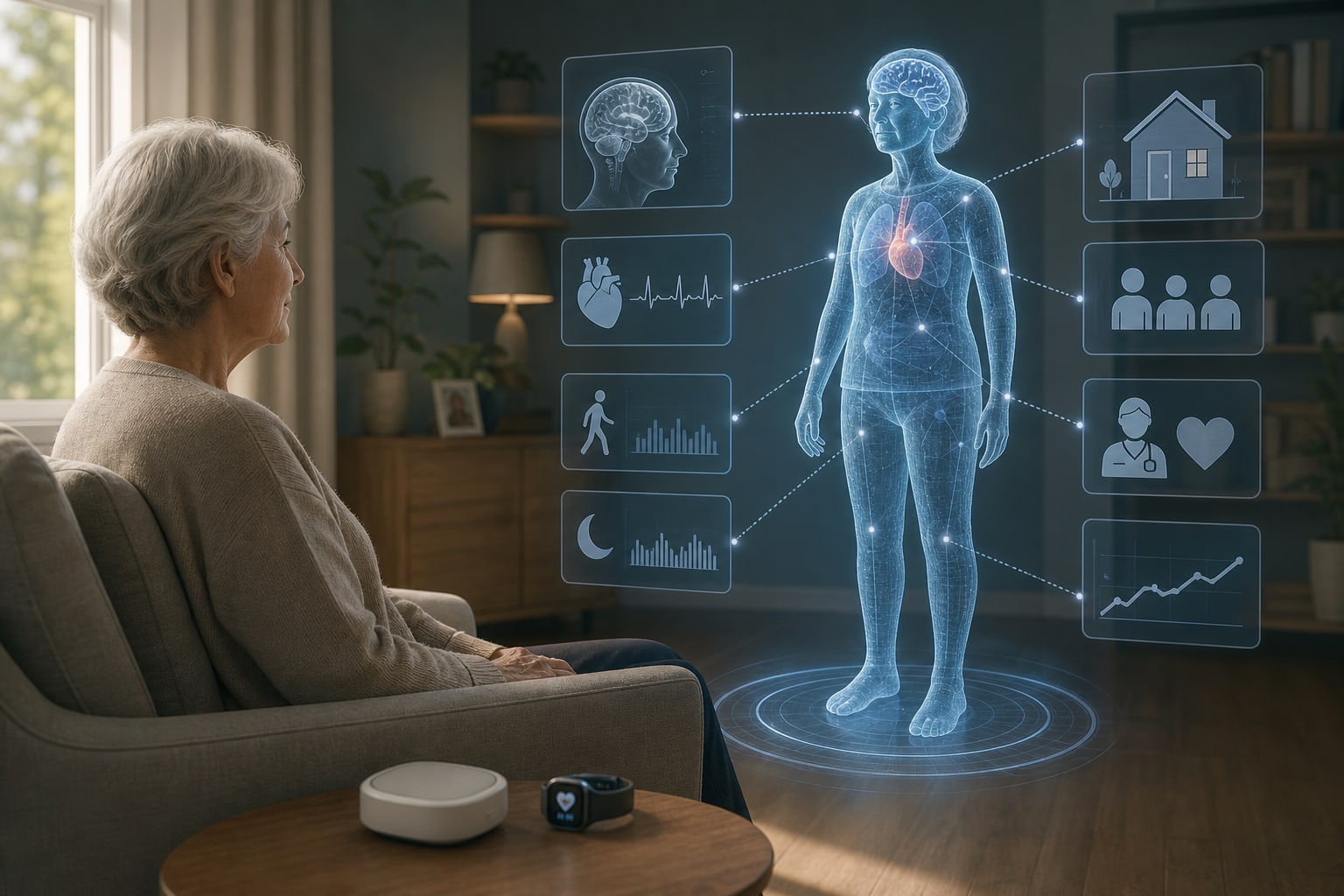
| Key Mechanisms | Digital twins as virtual models for personalized care and monitoring |
| Target Population | Older adults receiving homecare services |
| Care Setting | Home environment |
Key Highlights
- Digital twins can enhance care by monitoring behavior and predicting health outcomes.
- Older adults prefer person-centered care that respects their individuality and choices.
- Integrated care can improve functionality and satisfaction while reducing hospital admissions.
- Challenges include technical infrastructure, implementation costs, and ethical issues.
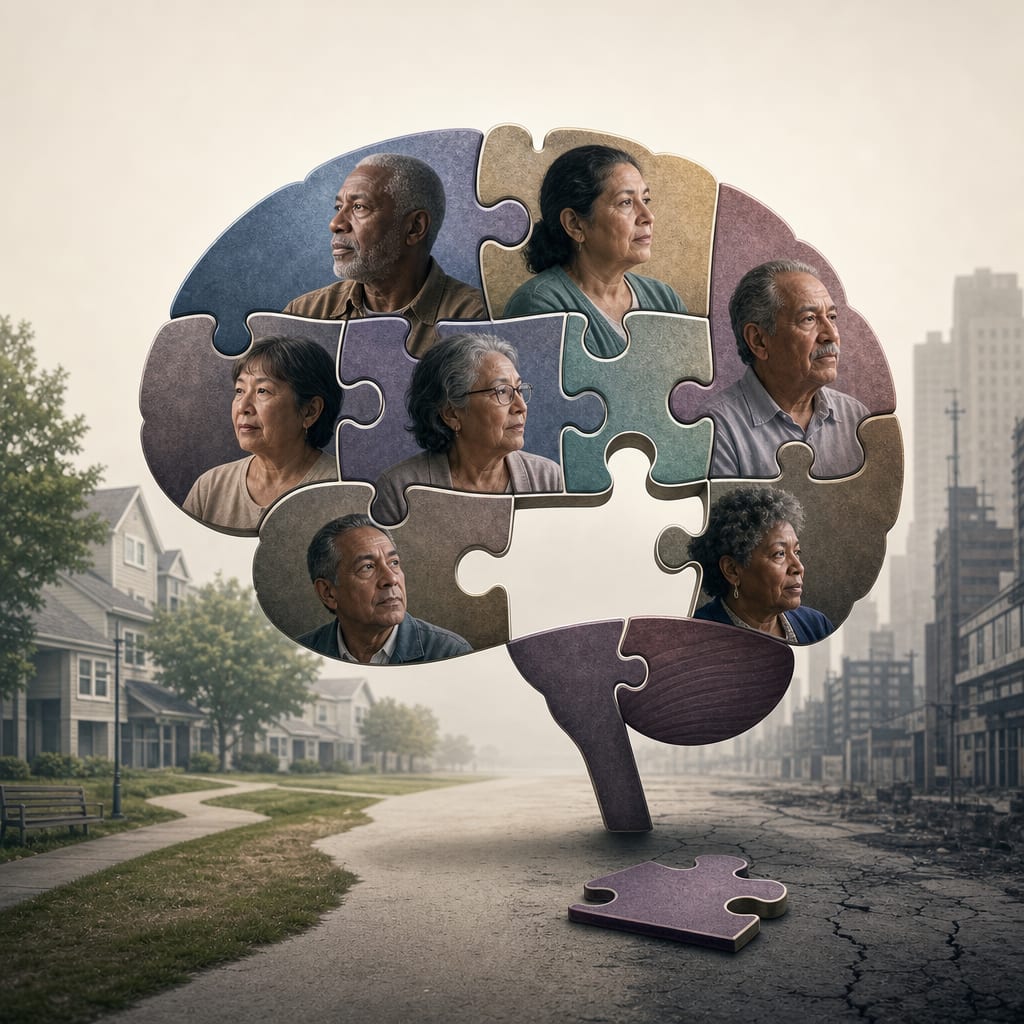
- User acceptability and perspectives of older adults on digital twins remain underexplored.
Guideline-Based Recommendations
Diagnosis
- Utilize digital twins for personalized diagnosis and treatment planning.
Management
- Implement person-centered approaches in homecare services.
Monitoring & Follow-up
- Use digital twins for real-time monitoring of health risks and behaviors.
Risks
- Address potential ethical issues and technical challenges in digital twin implementation.
Patient & Prescribing Data
Older adults in homecare settings, particularly those with complex health conditions.
Digital twins can provide proactive care and support aging in place.
Clinical Best Practices
- Tailor homecare services to individual needs and preferences.
- Foster meaningful relationships between care providers and older adults.
- Ensure continuity of care and adequate information for older adults.
Related Resources & Content