The Future of Pediatric Epilepsy Surgery Through a Genetic Lens
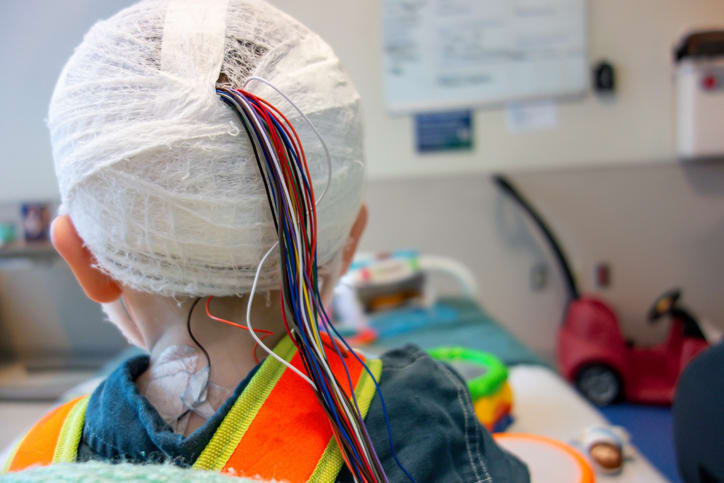
Epilepsy in children continues to be a large-scale medical issue in children, affecting approximately 4 in 1,000 children each year. Epilepsy is defined as having two unprovoked, nonfebrile seizures.
Clinical Scorecard: The Future of Pediatric Epilepsy Surgery Through a Genetic Lens
At a Glance
Category Detail
Condition Pediatric epilepsy, including medically refractory epilepsy and cortical dysplasia Key Mechanisms Developmental neuronal migration anomalies and disruptions in the PI3K-AKT-mTOR molecular pathway Target Population Children diagnosed with epilepsy, especially those with medically refractory epilepsy and cortical dysplasia Care Setting Comprehensive pediatric epilepsy surgery centers with multidisciplinary teams
Key Highlights
Approximately 30% of children with epilepsy develop medically refractory epilepsy, defined by failure of two appropriate medications. Cortical dysplasia is the most common pathology in pediatric epilepsy surgery, involving abnormal neuronal development and migration. Emerging genetic insights, particularly involving the PI3K-AKT-mTOR pathway, are guiding new targeted therapies such as mTOR inhibitors. Guideline-Based Recommendations
Diagnosis
Diagnosis of epilepsy requires two unprovoked, nonfebrile seizures. Medically refractory epilepsy is defined by failure of two appropriately dosed and tolerated antiseizure medications. Comprehensive pre-surgical evaluation includes high-resolution MRI, video EEG, neuropsychology, functional MRI, PET, and sometimes MEG. Management
Refer children with medically refractory epilepsy to specialized pediatric epilepsy surgery centers. Surgical options include stereo EEG, resective or disconnective surgery, and neuromodulation devices (VNS, RNS, DBS). Consider mTOR inhibitors as emerging targeted medical therapy for cortical dysplasia-related epilepsy when surgery is insufficient. Monitoring & Follow-up
Multidisciplinary team review of diagnostic results to determine surgical candidacy and approach. Postoperative monitoring for seizure control and neurological outcomes. Ongoing assessment of response to mTOR inhibitor therapy in clinical trial or clinical use settings. Risks
Incomplete seizure resolution after surgery, especially in cases with subtle or MRI-negative cortical dysplasia. Potential side effects and safety considerations with mTOR inhibitor therapy. Patient & Prescribing Data
Children with cortical dysplasia and medically refractory epilepsy who have undergone or are candidates for epilepsy surgery.
Phase 1 clinical trials of mTOR inhibitors show potential safety and efficacy as adjunct or alternative therapy to surgery.
Clinical Best Practices
Early identification and referral of children with medically refractory epilepsy to specialized centers. Comprehensive multidisciplinary evaluation including advanced imaging and neurophysiological testing. Integration of genetic and molecular pathway insights into personalized treatment planning. Consideration of novel targeted therapies such as mTOR inhibitors in appropriate patients. Related Resources & Content