Midlife Vitamin D Linked to Lower Tau
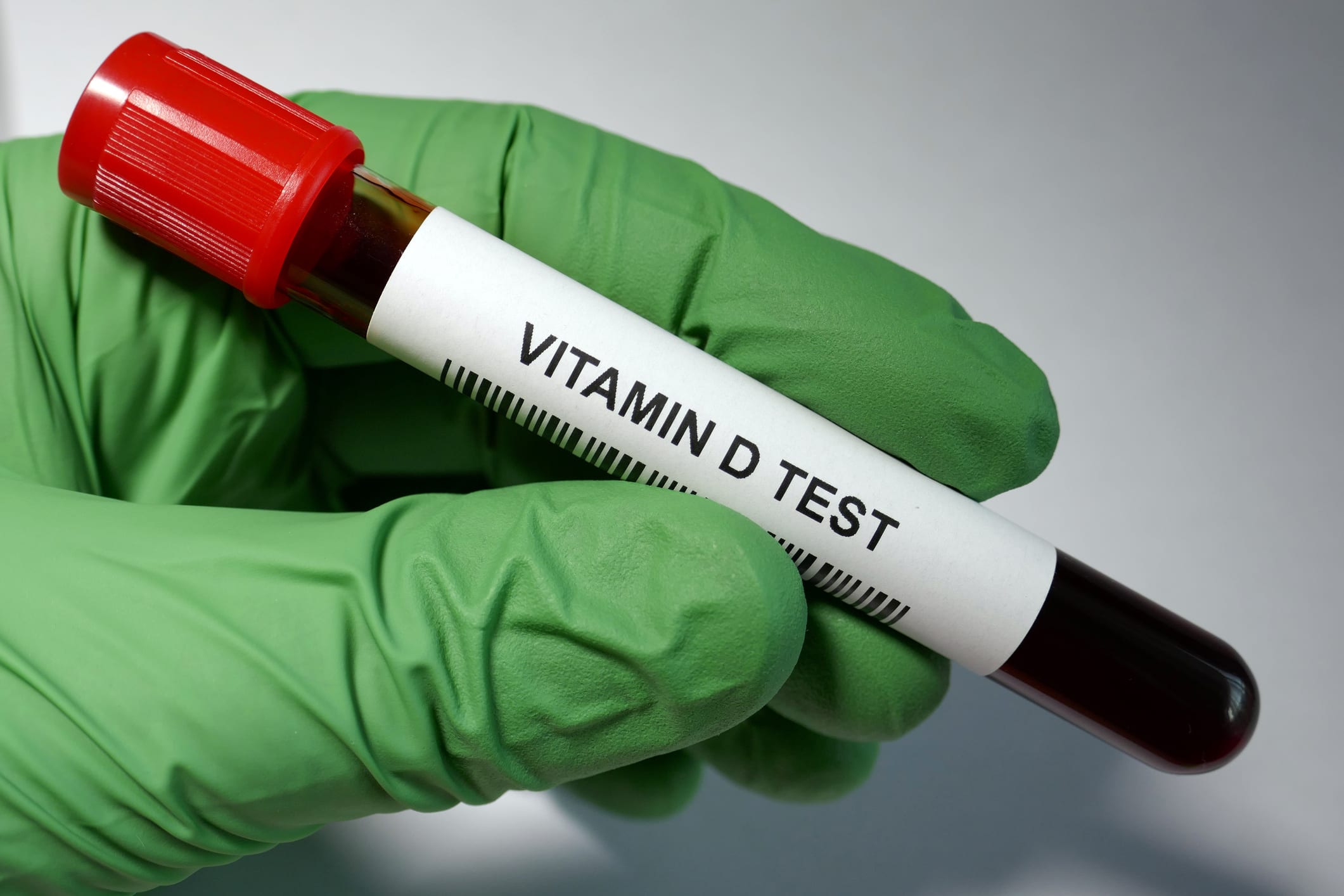
Higher vitamin D levels in early midlife were tied to lower tau burden on later brain imaging, while no association was seen with amyloid.
-
By
-
Andrea Surnit
-
April 10, 2026
-
Clinical Scorecard: Midlife Vitamin D Linked to Lower Tau
At a Glance
| Category | Detail |
| Condition | Preclinical markers of dementia |
| Key Mechanisms | Higher serum 25-hydroxyvitamin D levels associated with lower tau deposition |
| Target Population | Dementia-free adults in early midlife |
| Care Setting | Prospective cohort study |
Key Highlights
- Study involved 435 participants from the Framingham Heart Study Generation 3 cohort
- Higher vitamin D levels linked to lower tau burden in vulnerable brain regions
- No association found between vitamin D levels and amyloid burden
- 34% of participants had vitamin D levels below 30 ng/mL
- Findings suggest vitamin D may be a modifiable factor for preclinical tau burden
Guideline-Based Recommendations
Diagnosis
- Assess serum 25-hydroxyvitamin D levels in early midlife
Management
- Consider monitoring vitamin D levels as a potential modifiable factor
Monitoring & Follow-up
- Longitudinal assessment of vitamin D levels and cognitive health
Risks
- Potential exposure misclassification due to long intervals between sampling and imaging
Patient & Prescribing Data
Dementia-free asymptomatic adults
5% of participants were taking vitamin D supplements at baseline
Clinical Best Practices
- Encourage vitamin D level assessment in midlife
- Monitor cognitive health in relation to vitamin D status
- Consider the demographic limitations when generalizing findings
References