Editorial: Exploring unconventional T cells and CAR-T-cells in cancer immunotherapy
-
By
-
Laura Patrussi
-
Chenran Zhang
-
June 11, 2026
-
Clinical Scorecard: Investigating the Role of Unconventional T Cells and CAR-T Cell Therapies in Cancer Immunotherapy
At a Glance
| Category | Detail |
|---|
| Condition | Cancer |
| Key Mechanisms | Exploitation of unconventional T cells (UCTs) and CAR-based cellular therapies. |
| Target Population | Patients with solid and hematological malignancies. |
| Care Setting | Clinical oncology and immunotherapy. |
Key Highlights
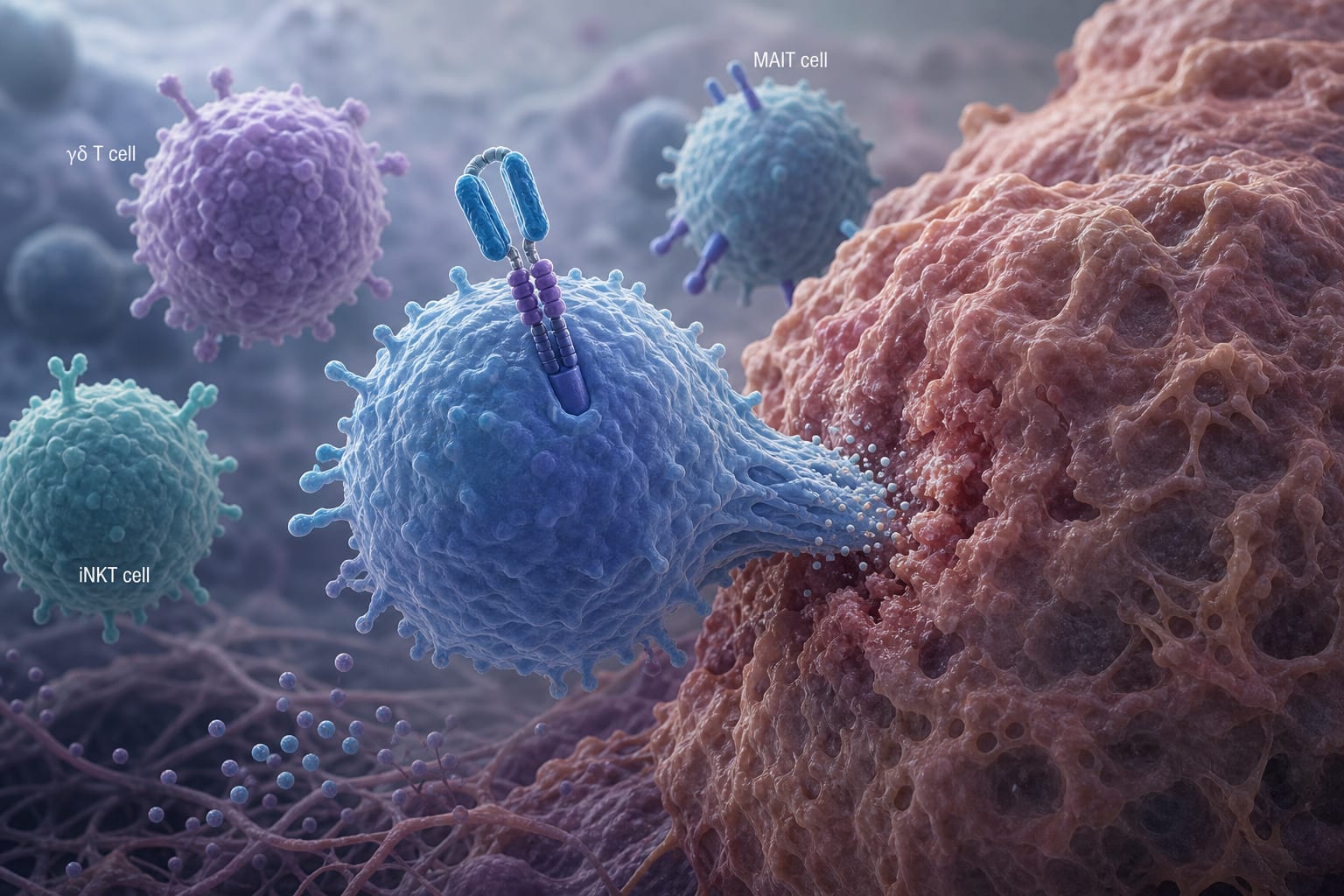
- UCTs, including γδ T cells, iNKT cells, and MAIT cells, recognize non-peptide antigens and are pivotal in cancer immunotherapy.
- γδ T cells exhibit dual roles in tumor progression and immune suppression influenced by the local cytokine environment.
- MAIT cells show functional plasticity affected by aging and inflammation, correlating with disease outcomes.
- iNKT cells can be engineered for allogeneic CAR therapies, reducing risks associated with traditional CAR-T cell therapies.
- Metabolic engineering strategies are being developed to enhance CAR-T cell function in hostile tumor microenvironments.
Guideline-Based Recommendations
Diagnosis
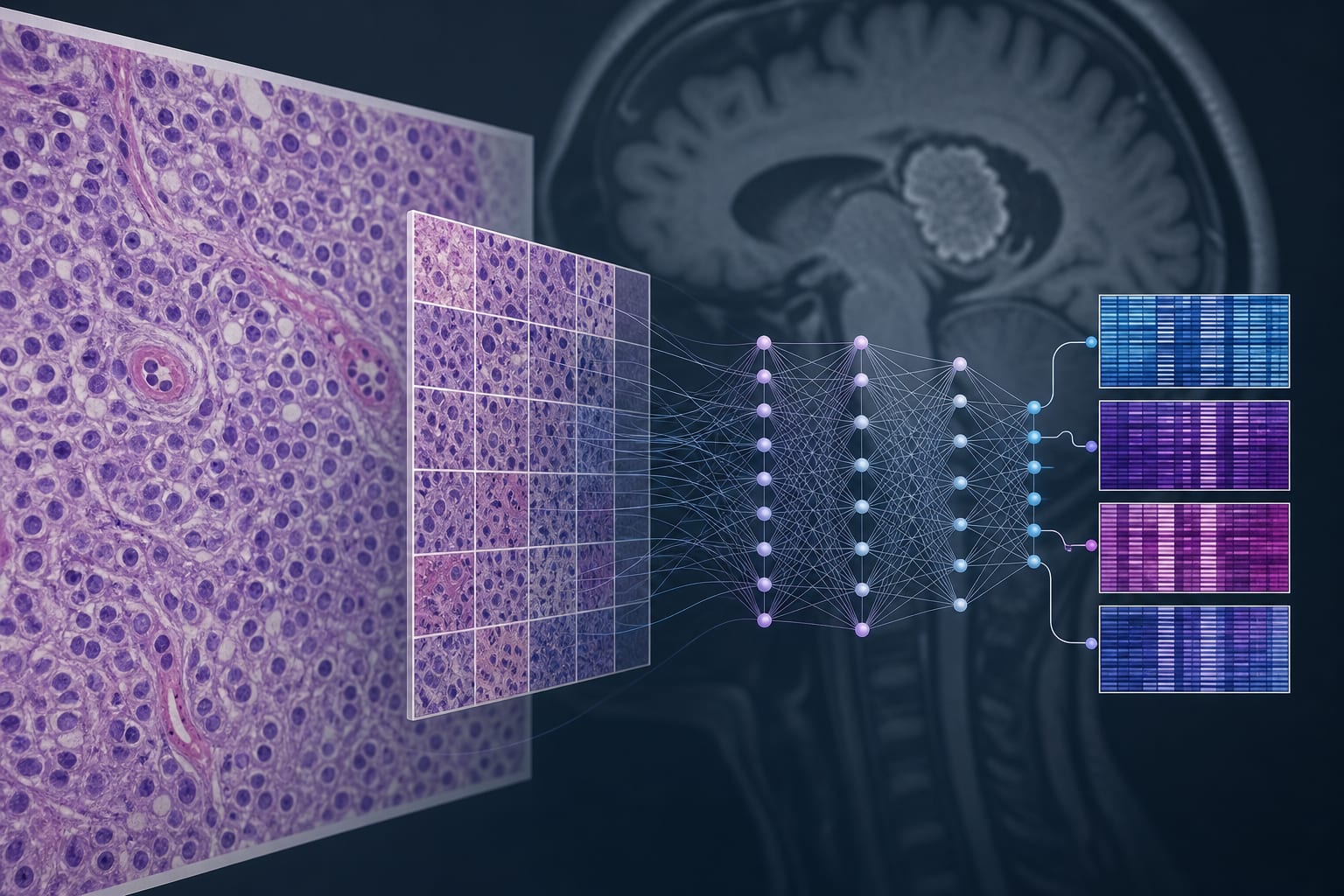
- Utilize single-cell technologies and multi-omic profiling to assess UCT populations.
Management
- Consider CAR-T cell therapies incorporating UCTs for enhanced anti-tumor efficacy.
Monitoring & Follow-up
- Monitor cytokine profiles and transcriptional changes in UCTs to evaluate therapeutic responses.
Risks
- Be aware of potential graft-versus-host disease (GvHD) and cytokine release syndrome (CRS) in CAR-T therapies.
Patient & Prescribing Data
Patients with various malignancies, including colorectal cancer and hematological cancers.
iNKT cells derived from cord blood show low alloreactive potential and can be used in off-the-shelf therapies.
Clinical Best Practices
- Integrate metabolic engineering to improve CAR-T cell fitness in challenging tumor microenvironments.
- Develop dual-target CAR constructs to enhance therapeutic efficacy against solid tumors.
Related Resources & Content