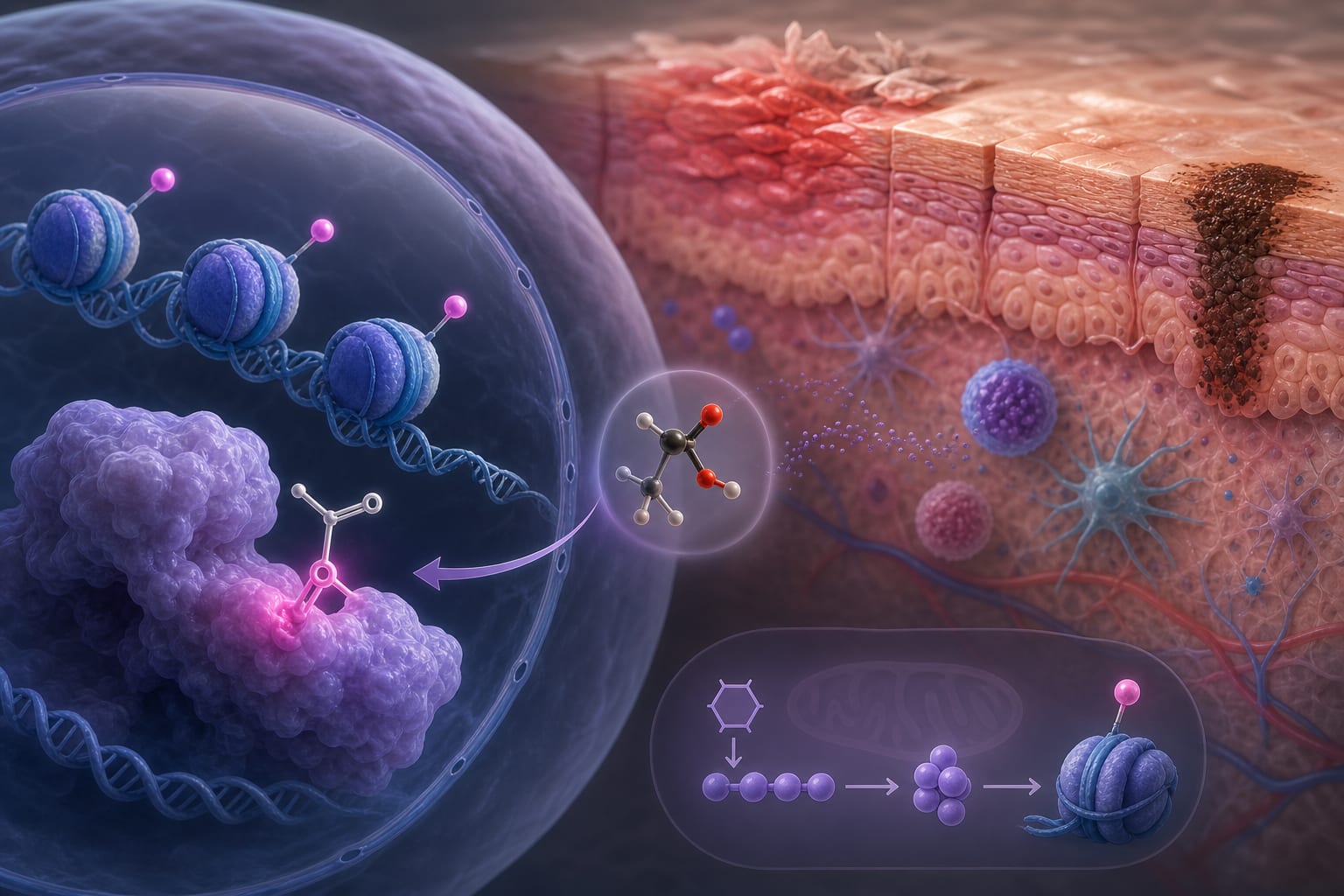
The significance of protein lactylation in dermatological conditions: exploring molecular pathways and therapeutic possibilities
By
Yue Zhang
Zhinan Shi
Xiaohui Mo
Qiang Ju
Zhanyan Pan
July 1, 2026
Clinical Scorecard: The significance of protein lactylation in dermatological conditions: exploring molecular pathways and therapeutic possibilities
At a Glance
Category Detail
Condition Lactylation in skin diseases Key Mechanisms Post-translational modification linking metabolism to epigenetic regulation Target Population Patients with immune-inflammatory skin diseases, pathologic scars, skin malignancies, and skin ageing Care Setting Dermatological research and clinical applications
Key Highlights
Lactylation regulates gene transcription and protein function. It plays a role in the pathogenesis of psoriasis, atopic dermatitis, and melanoma. Lactate serves as a significant energy source and regulatory factor in biological processes. Lactylation may emerge as a novel therapeutic target for skin disorders. Current research highlights the need for further investigation into lactylation's role in skin diseases. Guideline-Based Recommendations
Diagnosis
Consider lactylation as a potential factor in skin disease pathogenesis. Management
Explore lactylation-related inhibitors as therapeutic options. Monitoring & Follow-up
Investigate the effects of lactylation on disease progression and treatment response. Risks
Potential implications of metabolic dysregulation on skin health. Patient & Prescribing Data
Individuals with dermatological conditions linked to metabolic dysregulation.
Lactylation-targeted therapies may offer new treatment avenues.
Clinical Best Practices
Integrate metabolic assessments in the evaluation of skin diseases. Stay updated on emerging research regarding lactylation and its implications. Related Resources & Content