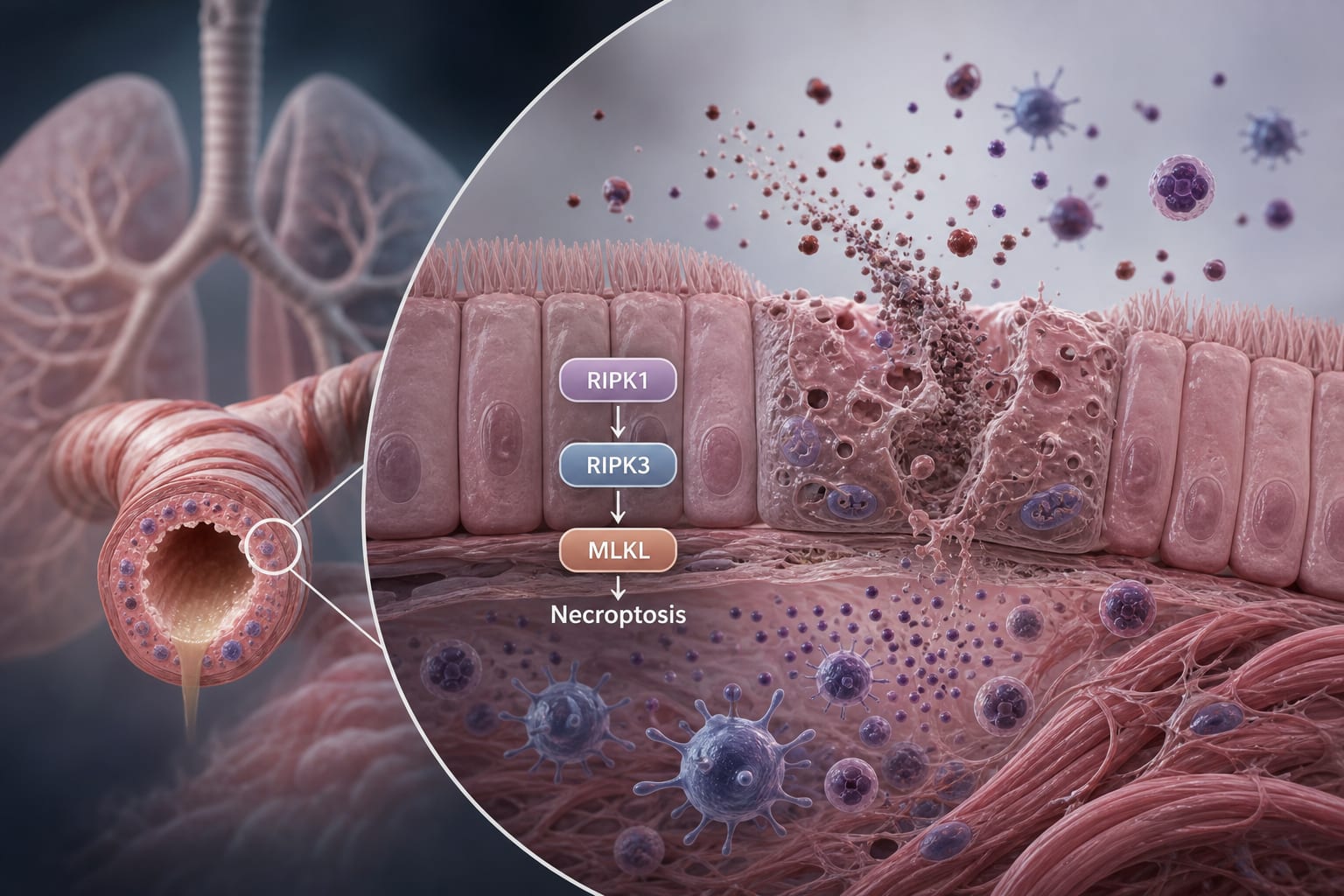
A Systematic Review and Meta-Analysis of the Bidirectional Relationship Between Obstructive Lung Diseases and Inflammatory Bowel Disease
By
Chaowei Ding
Yunmeng Wang
Tongxinwei Sun
Zexin Liu
June 30, 2026
Clinical Scorecard: A Systematic Review and Meta-Analysis of the Bidirectional Relationship Between Obstructive Lung Diseases and Inflammatory Bowel Disease
At a Glance
Category Detail
Condition Obstructive Lung Diseases and Inflammatory Bowel Disease Key Mechanisms Immune dysregulation, epithelial barrier dysfunction, microbiome imbalances Target Population Patients with obstructive lung diseases (COPD, asthma, bronchiectasis) and inflammatory bowel disease (Crohn’s disease, ulcerative colitis) Care Setting Clinical assessment and management of comorbid respiratory and gastrointestinal conditions
Key Highlights
IBD is associated with increased risk of subsequent COPD. COPD is associated with increased risks of subsequent Crohn’s disease and ulcerative colitis. Asthma shows a bidirectional association with IBD, particularly Crohn’s disease. The association between bronchiectasis and IBD is less clear and should be interpreted with caution. The bidirectional relationship is stronger for Crohn’s disease than for ulcerative colitis. Guideline-Based Recommendations
Diagnosis
Clinicians should assess respiratory comorbidities in patients with IBD. Management
Appropriate respiratory symptom assessment or screening may aid in early identification and management. Monitoring & Follow-up
Risks
Increased risk of respiratory diseases in patients with IBD and vice versa. Patient & Prescribing Data
Patients with obstructive lung diseases and inflammatory bowel disease.
Management strategies should consider the bidirectional relationship between OLD and IBD.
Clinical Best Practices
Integrate assessment of respiratory symptoms in IBD management. Consider the impact of OLD on IBD treatment outcomes. Related Resources & Content