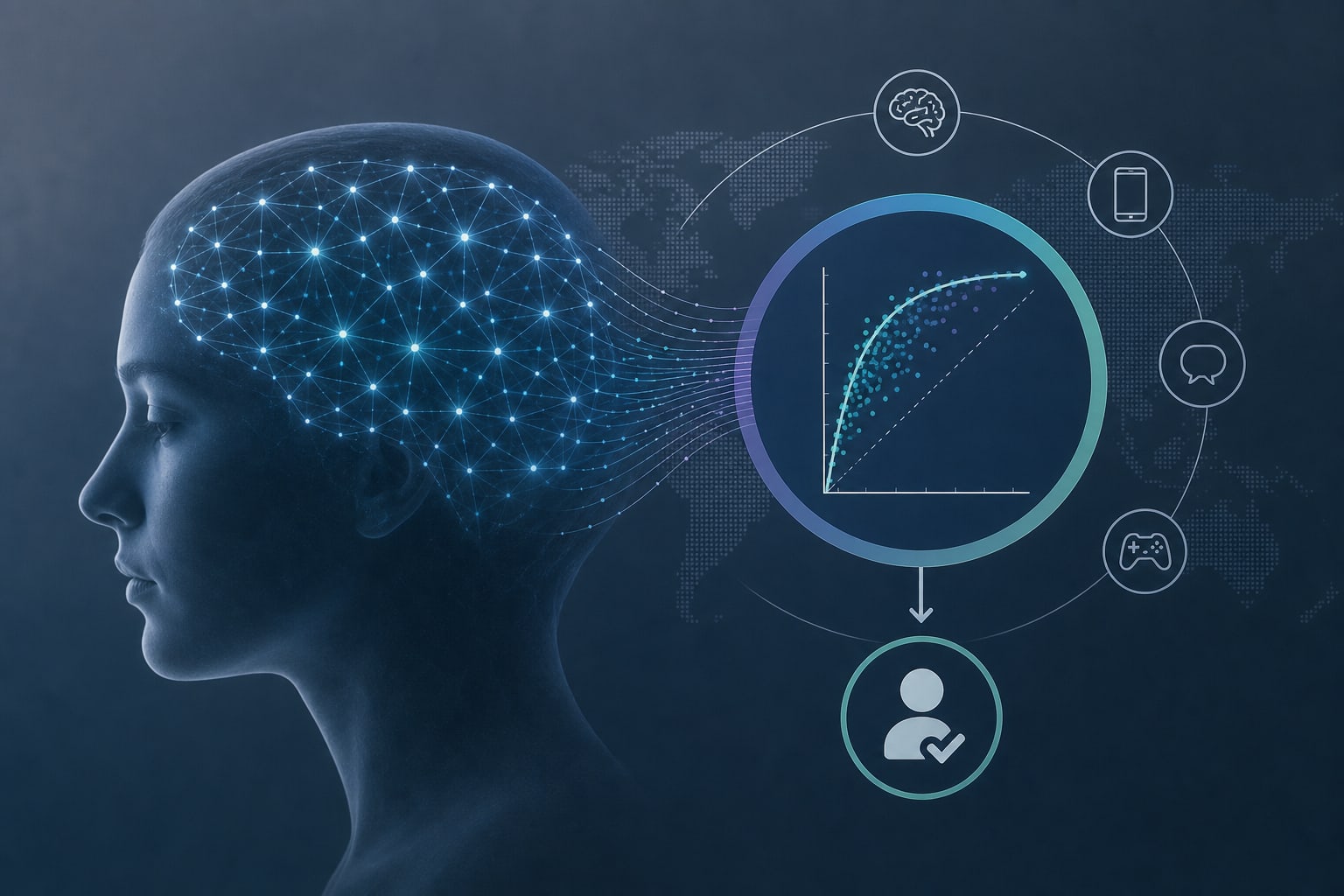
Applications of machine learning algorithms to detect digital addiction: a meta-analysis
-
By
-
Mengyang Xu
-
Yandie Zheng
-
Xingfa Long
-
June 23, 2026
-
Clinical Scorecard: Utilization of Machine Learning Techniques for Identifying Digital Addiction: A Meta-Analytical Review
At a Glance
| Category | Detail |
|---|
| Condition | Digital Addiction |
| Key Mechanisms | Machine learning techniques for automated detection and classification. |
| Target Population | Individuals exhibiting problematic use of digital technologies. |
| Care Setting | Clinical and educational settings. |
Key Highlights
- Pooled classification accuracy of machine learning models was 0.87.
- Area under the curve (AUC) for diagnostic test accuracy was 0.92.
- High accuracy observed for internet (0.90) and social media addiction (0.86).
- Physiological markers showed superior specificity (0.90) compared to survey-based data.
- Need for standardized diagnostic criteria and representative sampling emphasized.
Guideline-Based Recommendations
Diagnosis
- Utilize machine learning models to enhance diagnostic accuracy for digital addiction.
Management
- Implement automated screening tools in clinical practice for early detection.
Monitoring & Follow-up
- Regularly assess the effectiveness of machine learning tools in identifying digital addiction.
Risks
- Consider potential biases in self-reporting and the need for objective measures.
Patient & Prescribing Data
Individuals with varying degrees of digital addiction.
Machine learning tools can provide scalable screening options.
Clinical Best Practices
- Adopt AI-assisted assessment methods to improve diagnostic precision.
- Ensure diverse and representative data sources for training machine learning models.
- Standardize diagnostic criteria to enhance comparability across studies.
Related Resources & Content